
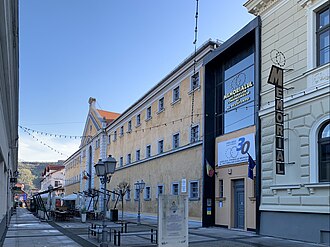
⛪ Wooden Churches of Maramureș
Romania
About This Sacred Site
The Wooden Churches of Maramureș are a remarkable group of over eight timber Orthodox churches located in northwestern Romania, renowned for their tall, slender bell towers and intricate wood craftsmanship. Built mainly in the 17th and 18th centuries, these churches exemplify the vernacular religious architecture of the region, constructed without nails using traditional carpentry techniques. Their steep shingled roofs and richly decorated interiors preserve ancient Orthodox iconography and murals, reflecting a unique spiritual and cultural heritage deeply rooted in the Maramureș mountain communities.
History & Origins
The Wooden Churches of Maramureș, located in northern Romania, were constructed primarily during the 17th and 18th centuries by local Orthodox Romanian communities under the rule of the Habsburg Empire. These churches were built using traditional timber techniques, reflecting the craftsmanship of local carpenters who avoided the use of metal nails, opting for wooden joinery instead. Eight of these churches, including those in Șurdești, Bârsana, and Breb, were inscribed as a UNESCO World Heritage Site in 1999, recognizing their outstanding cultural value. The Șurdești church, built in 1721, features the tallest wooden spire in the region, reaching 54 meters. These churches were erected as a response to the Catholic Habsburg authorities' restrictions on Orthodox stone church construction, preserving Romanian Orthodox identity in this borderland. Over centuries, the churches have undergone careful restorations, including the 20th-century preservation efforts that focused on maintaining the original wooden shingles and iconostasis. The unique architectural style combines Gothic influences with local Maramureș traditions, making these churches emblematic of regional religious architecture.
Spiritual Significance
These wooden churches serve as focal points for Orthodox Christian worship in Maramureș, embodying centuries-old liturgical traditions. They host annual Feast Day celebrations dedicated to their patron saints, such as Saint Nicholas and Saint Paraskeva, where local communities gather for the Divine Liturgy as prescribed in the Byzantine Rite. The churches are known for their richly painted interiors featuring iconography that adheres to Orthodox canonical standards, including depictions of the Last Judgment and scenes from the life of Christ, which play a didactic role in worship. Pilgrims often visit these sites during the Easter season, participating in the midnight Paschal Vigil, which includes the chanting of the Paschal hymns from the Octoechos cycle. The wooden spires symbolize reaching towards heaven, reflecting the Orthodox theology of transfiguration and theosis. The preservation of these churches also aligns with the teachings of Saint John of Damascus, who emphasized the importance of sacred images and church spaces in Orthodox spirituality.
Key Facts
- •Eight churches are inscribed as a UNESCO World Heritage Site
- •The tallest wooden spire in Maramureș (Șurdești church) reaches 54 meters
- •Built because Orthodox Romanians were prohibited from constructing stone churches under Catholic rule
- •The churches combine Gothic architectural forms with traditional Maramureș woodworking
- •Interior paintings depict vivid biblical scenes including dramatic Last Judgment compositions
Location
Coordinates: 47.7275, 23.7930
Frequently Asked Questions
What religion is Wooden Churches of Maramureș associated with?▾
Wooden Churches of Maramureș is a Christianity holy site located in Romania. It was established 17th–18th century and is ranked #234 in our global directory of sacred sites.
When was Wooden Churches of Maramureș established?▾
Wooden Churches of Maramureș dates back to 17th–18th century. Eight churches are inscribed as a UNESCO World Heritage Site
How many people visit Wooden Churches of Maramureș each year?▾
Wooden Churches of Maramureș receives approximately 100,000 visitors per year. The tallest wooden spire in Maramureș (Șurdești church) reaches 54 meters
What is Wooden Churches of Maramureș known for?▾
A collection of tall-spired wooden churches representing the pinnacle of traditional Maramureș craftsmanship. Visitors come seeking ancestral connection, blessings, spiritual enlightenment, peace. Built because Orthodox Romanians were prohibited from constructing stone churches under Catholic rule
Related Holy Sites
Sacred places connected by country, religion, and purpose
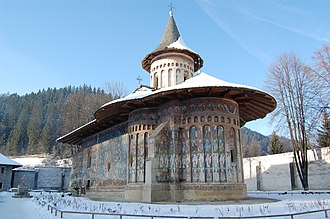
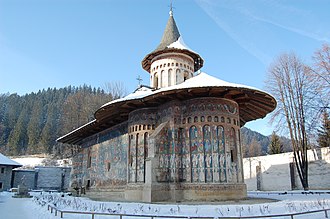
⛪Voroneț Monastery
Called the 'Sistine Chapel of the East' for its extraordinary blue exterior frescoes.
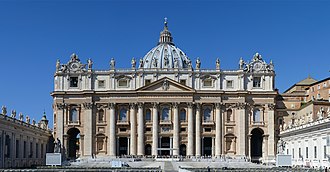
⛪Vatican City (St. Peter's Basilica)
The spiritual center of Roman Catholicism and home of the Pope.
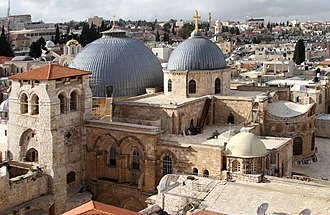
✝️Church of the Holy Sepulchre
The site where Jesus was crucified, buried, and resurrected.
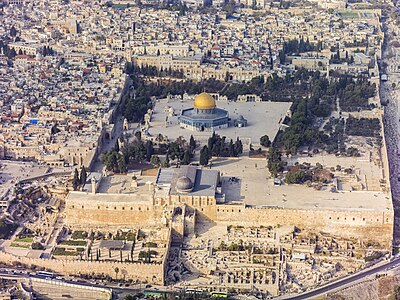
🕌Temple Mount / Al-Aqsa (Jerusalem)
Sacred to Judaism, Christianity, and Islam — the most contested holy site on Earth.
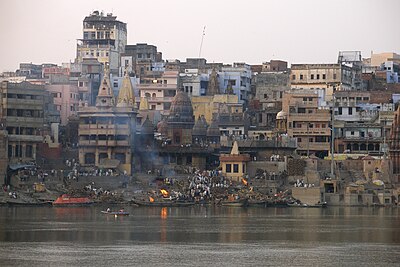
🙏Varanasi (Kashi Vishwanath Temple)
The holiest city in Hinduism, where the Ganges River purifies the soul.

