⛪ Our Lady of Manaoag (Pangasinan)
Philippines
About This Sacred Site
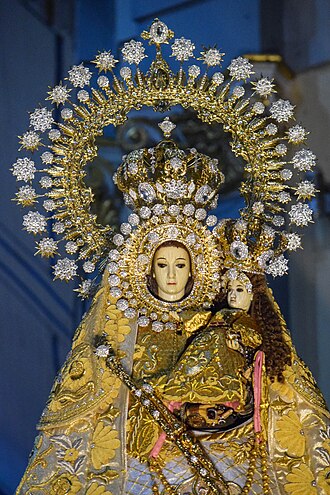
The Minor Basilica of Our Lady of the Rosary of Manaoag in Pangasinan is one of the most visited Marian pilgrimage sites in the Philippines. The church is home to a 17th-century ivory image of the Virgin Mary holding the Child Jesus and a rosary, which is believed to be miraculous. Countless devotees have reported healings, and the walls near the image are lined with testimonials and offerings. The basilica draws millions of pilgrims annually from across the Philippines and the Filipino diaspora worldwide.
History & Origins
Established in 1614, the shrine of Our Lady of Manaoag in Pangasinan houses a 17th-century ivory image of the Virgin Mary, which is believed to have miraculous origins. The shrine was built by Augustinian missionaries to serve as a center for Marian devotion in northern Luzon. It has undergone several expansions, notably in the 20th century, including the construction of a modern basilica completed in 1985 to accommodate growing numbers of pilgrims. The image's survival through multiple natural disasters, including typhoons and earthquakes, has reinforced its status as a sacred object. The shrine's walls are adorned with thousands of testimonial plaques from devotees recounting miracles and answered prayers. In 1982, the Catholic Bishops' Conference of the Philippines officially declared it a National Shrine, recognizing its significance in Philippine Catholicism. The site remains under the care of the Augustinian order, maintaining its original mission and historical continuity.
Spiritual Significance
Our Lady of Manaoag is one of the most visited Marian shrines in the Philippines, where devotees participate in the annual feast day on April 26, featuring a solemn procession and Masses following the Roman liturgical calendar. The ivory image is venerated through the recitation of the Rosary, the offering of votive candles, and the practice of the Novena to Our Lady of Manaoag, which includes prayers from the Marian liturgies outlined in the Roman Missal. Pilgrims often engage in healing rituals at the shrine, invoking the Virgin Mary as a mediator for physical and spiritual cures, in line with Catholic doctrines on intercession. The shrine emphasizes teachings from the Catechism regarding Mary’s role as Mother of the Church and Advocate. Testimonial plaques lining the walls serve as tangible evidence of answered prayers, encouraging communal faith and devotion. The shrine also hosts retreats and catechetical sessions to deepen Marian spirituality among Filipino Catholics.
Key Facts
- •Home to a 17th-century ivory image of the Virgin Mary believed to be miraculous
- •One of the most visited Marian shrines in the Philippines
- •The walls are lined with testimonials of reported healings and miracles
- •The church was originally built in 1614 by Augustinian friars
- •Draws Filipino pilgrims from around the world, particularly on Marian feast days
Location
Coordinates: 16.0467, 120.4886
Frequently Asked Questions
What religion is Our Lady of Manaoag (Pangasinan) associated with?▾
Our Lady of Manaoag (Pangasinan) is a Christianity holy site located in Philippines. It was established 1614 and is ranked #542 in our global directory of sacred sites.
When was Our Lady of Manaoag (Pangasinan) established?▾
Our Lady of Manaoag (Pangasinan) dates back to 1614. Home to a 17th-century ivory image of the Virgin Mary believed to be miraculous
How many people visit Our Lady of Manaoag (Pangasinan) each year?▾
Our Lady of Manaoag (Pangasinan) receives approximately 3+ million visitors per year. One of the most visited Marian shrines in the Philippines
What is Our Lady of Manaoag (Pangasinan) known for?▾
One of the most visited Marian shrines in the Philippines, known for miraculous healings. Visitors come seeking miracles, healing, protection, blessings. The walls are lined with testimonials of reported healings and miracles
Related Holy Sites
Sacred places connected by country, religion, and purpose
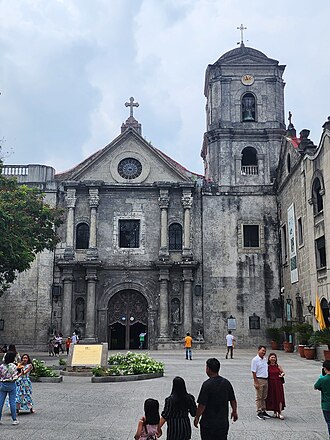
⛪San Agustin Church (Manila)
The oldest stone church in the Philippines, a UNESCO-listed Baroque masterpiece in Intramuros.
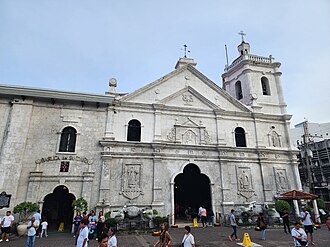
⛪Basilica del Santo Niño (Cebu)
The oldest Catholic parish in the Philippines, housing the miraculous Santo Niño figure brought by Magellan.
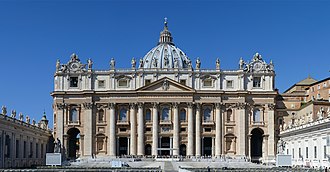
⛪Vatican City (St. Peter's Basilica)
The spiritual center of Roman Catholicism and home of the Pope.
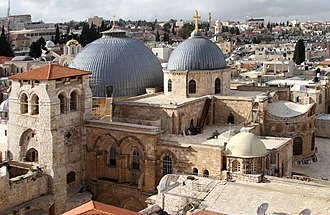
✝️Church of the Holy Sepulchre
The site where Jesus was crucified, buried, and resurrected.