☸️ One Pillar Pagoda (Hanoi)
Vietnam
About This Sacred Site
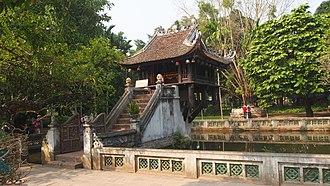
The One Pillar Pagoda (Chùa Một Cột) is one of Vietnam's most iconic Buddhist temples and a symbol of Hanoi. Built in 1049 by Emperor Lý Thái Tông, the pagoda was inspired by a dream in which the Bodhisattva Avalokiteshvara (Quan Am) appeared sitting on a lotus. The emperor built the pagoda on a single stone pillar rising from a lotus pond to resemble a lotus flower emerging from the water. Despite being destroyed and rebuilt multiple times, the pagoda remains one of Vietnam's most revered Buddhist sites.
Spiritual Significance
Constructed in 1049 CE under Emperor Lý Thái Tông, the One Pillar Pagoda was inspired by the emperor's dream of Avalokiteshvara (Quan Âm), the Bodhisattva of Compassion, who appeared to him seated on a lotus flower. The pagoda's unique architecture, resting atop a single stone pillar approximately 1.25 meters in diameter, symbolizes purity and enlightenment emerging from the murky waters of Samsara, reflecting Mahayana Buddhist cosmology. Pilgrims visit the site during Tết (Vietnamese Lunar New Year) to offer incense and prayers for fertility and wisdom, given the pagoda's association with fertility blessings. The pagoda's wooden structure has been reconstructed multiple times, most recently after destruction during the French colonial period, preserving the original Lý dynasty design. Rituals include chanting of sutras such as the Heart Sutra, emphasizing Avalokiteshvara's compassion and the impermanence of existence. The site remains an emblem of Vietnamese Buddhist devotion and imperial history, blending spiritual symbolism with royal patronage.
Key Facts
- •Built in 1049 by Emperor Lý Thái Tông after a dream of the Bodhisattva Avalokiteshvara
- •Designed to resemble a lotus flower rising from a pond
- •Rests on a single stone pillar 1.25 meters in diameter
- •Destroyed by the French in 1954 and rebuilt by the Vietnamese government
- •One of the most iconic symbols of Hanoi and Vietnamese Buddhism
Location
Coordinates: 21.0359, 105.8340
Frequently Asked Questions
What religion is One Pillar Pagoda (Hanoi) associated with?▾
One Pillar Pagoda (Hanoi) is a Buddhism holy site located in Vietnam. It was established 1049 and is ranked #522 in our global directory of sacred sites.
When was One Pillar Pagoda (Hanoi) established?▾
One Pillar Pagoda (Hanoi) dates back to 1049. Built in 1049 by Emperor Lý Thái Tông after a dream of the Bodhisattva Avalokiteshvara
How many people visit One Pillar Pagoda (Hanoi) each year?▾
One Pillar Pagoda (Hanoi) receives approximately 1+ million visitors per year. Designed to resemble a lotus flower rising from a pond
What is One Pillar Pagoda (Hanoi) known for?▾
An iconic Buddhist pagoda built on a single stone pillar, a symbol of Hanoi and Vietnamese Buddhism. Visitors come seeking blessings, healing, peace, guidance. Rests on a single stone pillar 1.25 meters in diameter
Related Holy Sites
Sacred places connected by country, religion, and purpose
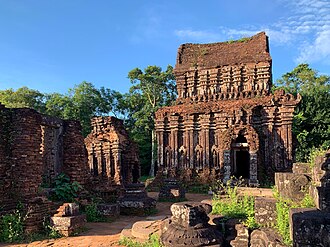
🏛️Mỹ Sơn Sanctuary
A UNESCO-listed complex of Hindu temples built by the Champa civilization in central Vietnam.
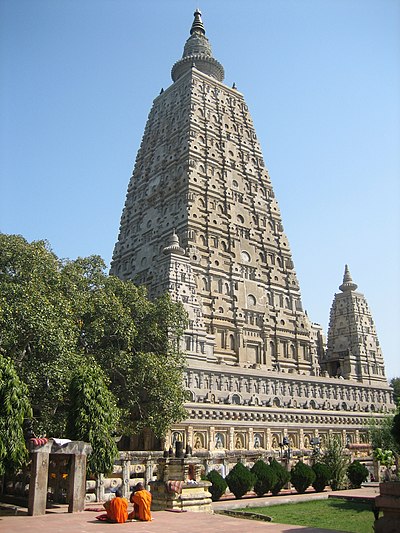
☸️Bodh Gaya (Mahabodhi Temple)
Where Siddhartha Gautama attained enlightenment and became the Buddha.
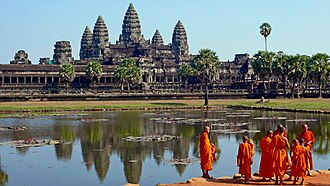
🛕Angkor Wat
The largest religious monument in the world, originally Hindu then Buddhist.