🪨 Olumo Rock
Nigeria
About This Sacred Site
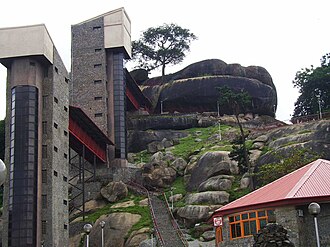
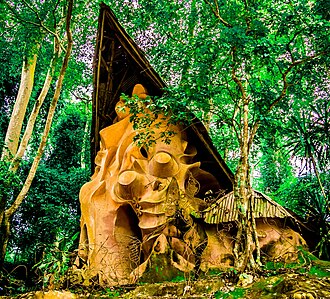
Olumo Rock is a massive granite outcrop situated in Abeokuta, Ogun State, Nigeria. Revered by the Egba Yoruba people, it provided a natural fortress during inter-tribal wars in the 19th century. The rock rises about 137 meters above sea level and features caves, shrines, and stairways carved into the granite. Today, it is a tourist attraction and a cultural monument, offering panoramic views of Abeokuta and serving as a symbol of strength and unity for the Egba people.
Spiritual Significance
Olumo Rock, dating back to the 1830s, holds deep spiritual importance for the Egba people who used it as a fortress during inter-tribal wars, believing it was a divine shelter provided by the Yoruba deity Olumo. The rock’s name, meaning "God molded this" in Yoruba, reflects the cosmological belief that the natural formation is a sacred creation imbued with protective powers. Pilgrims ascend the rock to visit ancient shrines and sacred caves where traditional priests perform rituals to invoke ancestral spirits and seek divine guidance during festivals such as the Egungun masquerade. Offerings of kola nuts and palm wine are made at these shrines in accordance with Yoruba religious customs recorded in Ifa divination texts. The site remains an active place of worship, where annual ceremonies celebrate Ogun, the god of iron and war, reinforcing communal identity and spiritual resilience.
Key Facts
- •Used as a fortress by the Egba people during 19th-century wars
- •The name 'Olumo' means 'God molded this' in Yoruba
- •Contains ancient shrines and sacred caves still used for worship
- •Abeokuta, meaning 'under the rock,' is named after Olumo Rock
- •A modern elevator and staircase were added for tourists in 2006
Location
Coordinates: 7.1010, 3.3449
Frequently Asked Questions
What religion is Olumo Rock associated with?▾
Olumo Rock is a Indigenous holy site located in Nigeria. It was established c. 1830s and is ranked #857 in our global directory of sacred sites.
When was Olumo Rock established?▾
Olumo Rock dates back to c. 1830s. Used as a fortress by the Egba people during 19th-century wars
How many people visit Olumo Rock each year?▾
Olumo Rock receives approximately 200,000+ visitors per year. The name 'Olumo' means 'God molded this' in Yoruba
What is Olumo Rock known for?▾
A sacred granite rock formation in Abeokuta that served as a fortress and shrine for the Egba people. Visitors come seeking protection, ancestral connection, guidance, spiritual enlightenment. Contains ancient shrines and sacred caves still used for worship
Related Holy Sites
Sacred places connected by country, religion, and purpose
🪨Uluru (Ayers Rock)
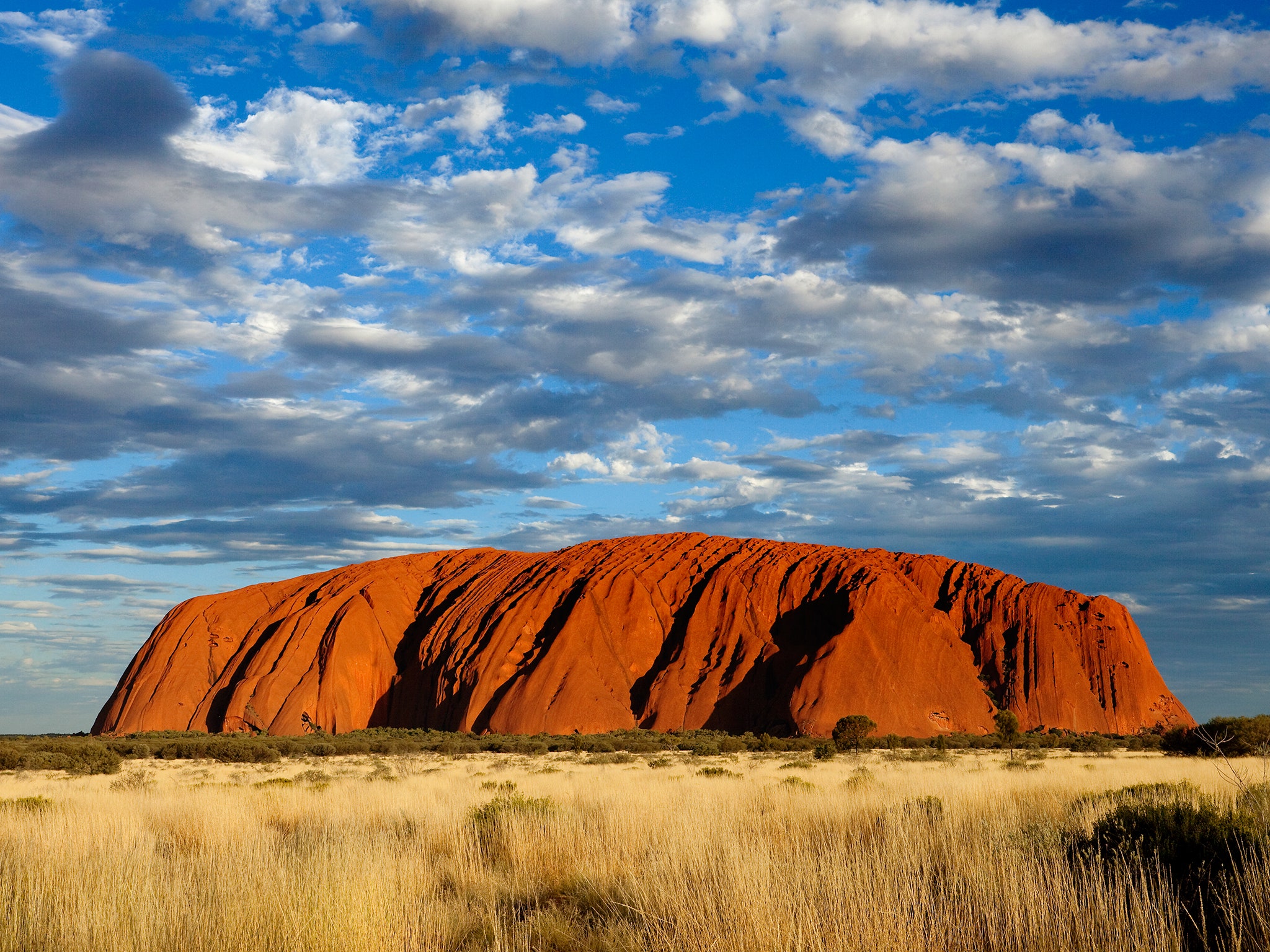
A sacred monolith central to Aboriginal Australian creation stories.
🏔️Machu Picchu
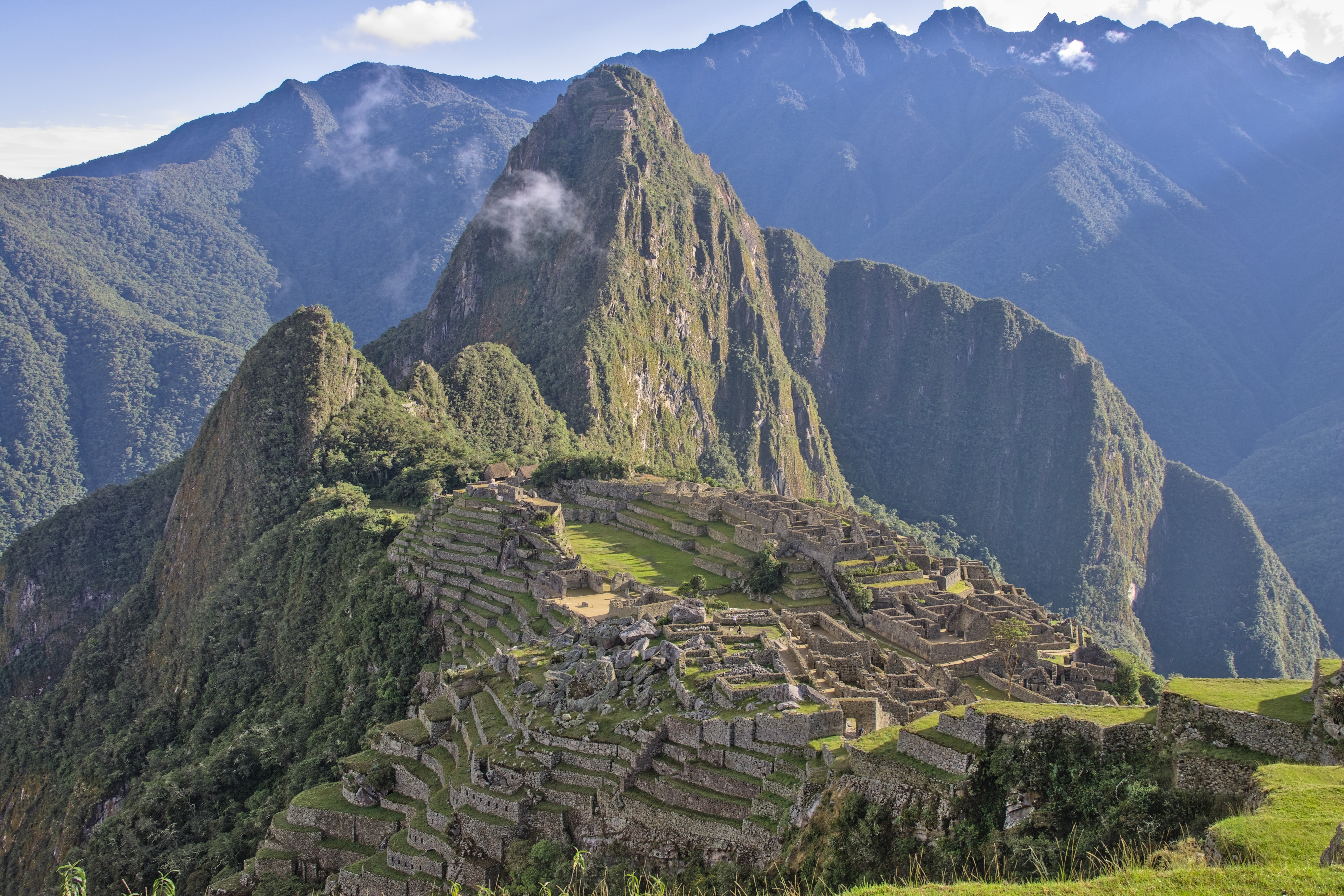
A sacred Inca citadel set high in the Andes, aligned with astronomical events.