
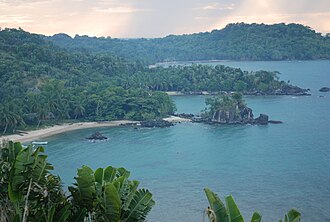
🏝️ Nosy Boraha (Île Sainte-Marie)
Madagascar
About This Sacred Site
Nosy Boraha, also known as Île Sainte-Marie, is an island off Madagascar’s northeast coast imbued with profound spiritual importance in Malagasy culture. Dating back to around the 1000s CE, the island was a settlement for early Malagasy communities and later a haven for pirates in the 17th and 18th centuries. It holds sacred sites linked to ancestral worship and traditional ceremonies, blending indigenous beliefs with historical narratives. The island's natural beauty and cultural heritage continue to attract visitors seeking spiritual connection and historical insight.
Spiritual Significance
Dating back to approximately the 1000s CE, the island contains numerous sacred ancestral tombs and is governed by strict fadys, or taboos, maintained by the Betsimisaraka people to protect spiritual sanctity. The presence of a pirate cemetery from the 17th and 18th centuries marks its historical role as a haven for pirates, whose maritime spirits are also honored in local traditions. Seasonal ceremonies involve offerings to ancestral spirits at tomb sites, with rituals designed to ensure community protection and fertility. Pilgrims observe specific restrictions such as prohibitions on certain foods and behaviors, reflecting deep-rooted beliefs codified in Betsimisaraka oral law. The island's spiritual landscape intertwines indigenous customs with historical layers of seafaring and piracy.
Key Facts
- •Contains sacred ancestral tombs and fady (taboo) sites
- •Was a major pirate haven in the 17th–18th centuries with a pirate cemetery
- •The Betsimisaraka people maintain strict fady (taboos) around sacred sites
- •The island is a major humpback whale calving ground — whales hold spiritual significance
- •Traditional healers (ombiasy) practice ancestral divination on the island
Location
Coordinates: -16.8500, 49.9167
Frequently Asked Questions
What religion is Nosy Boraha (Île Sainte-Marie) associated with?▾
Nosy Boraha (Île Sainte-Marie) is a Indigenous holy site located in Madagascar. It was established c. 1000s CE and is ranked #856 in our global directory of sacred sites.
When was Nosy Boraha (Île Sainte-Marie) established?▾
Nosy Boraha (Île Sainte-Marie) dates back to c. 1000s CE. Contains sacred ancestral tombs and fady (taboo) sites
How many people visit Nosy Boraha (Île Sainte-Marie) each year?▾
Nosy Boraha (Île Sainte-Marie) receives approximately 30,000+ visitors per year. Was a major pirate haven in the 17th–18th centuries with a pirate cemetery
What is Nosy Boraha (Île Sainte-Marie) known for?▾
An island off Madagascar's coast with sacred sites, pirate heritage, and deep ancestral traditions. Visitors come seeking ancestral connection, protection, healing, peace. The Betsimisaraka people maintain strict fady (taboos) around sacred sites
Related Holy Sites
Sacred places connected by country, religion, and purpose
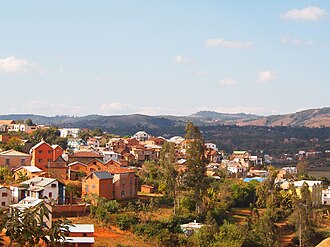
🪵Ambositra Wood-Carving Village
A highland town where Zafimaniry wood-carving traditions carry deep spiritual meaning.
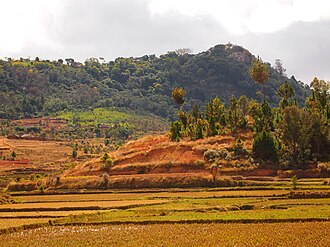
👑Royal Hill of Ambohimanga
A UNESCO-listed sacred hill and royal city of the Merina kings, the spiritual heart of Madagascar.
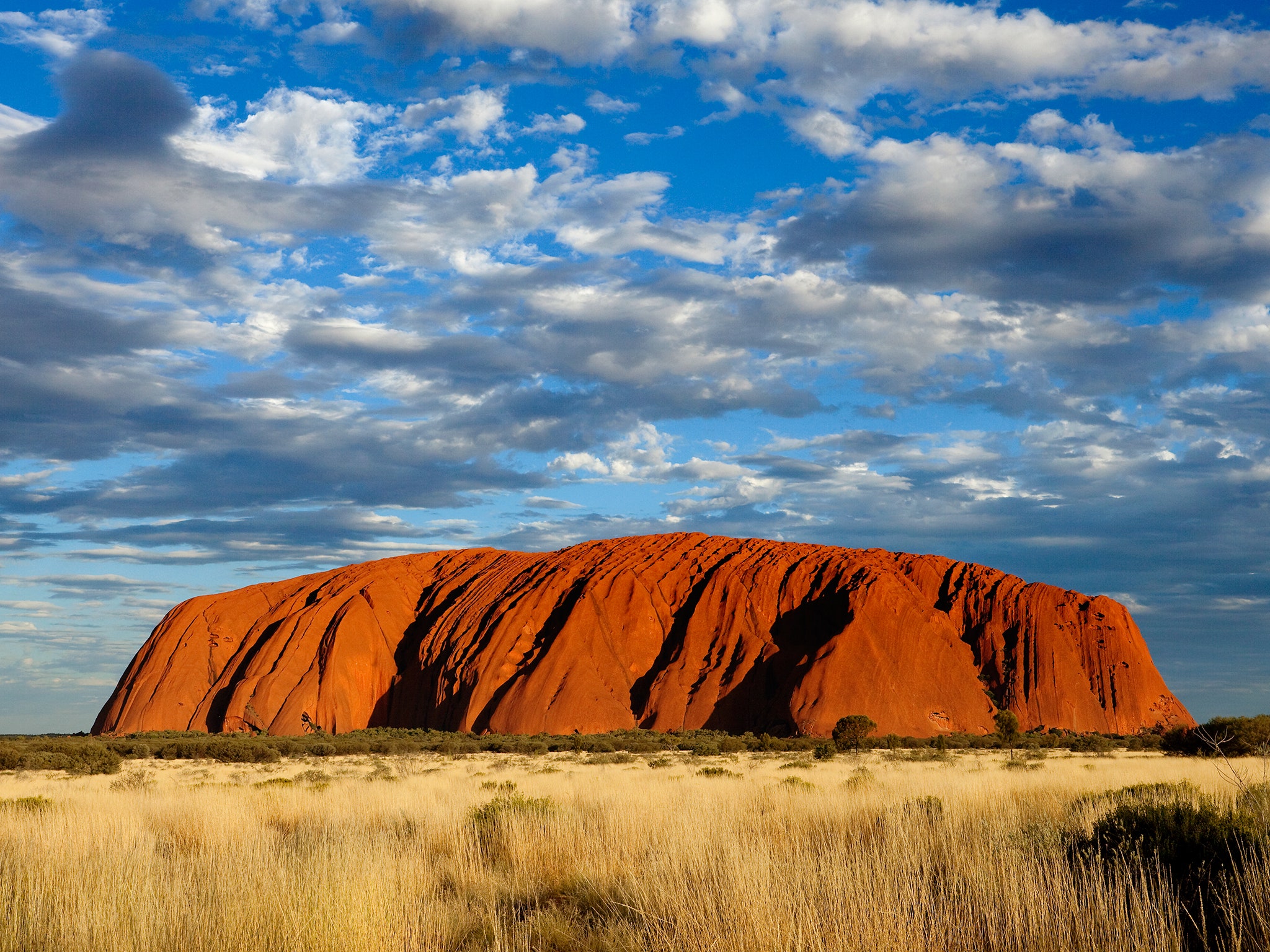
🪨Uluru (Ayers Rock)
A sacred monolith central to Aboriginal Australian creation stories.
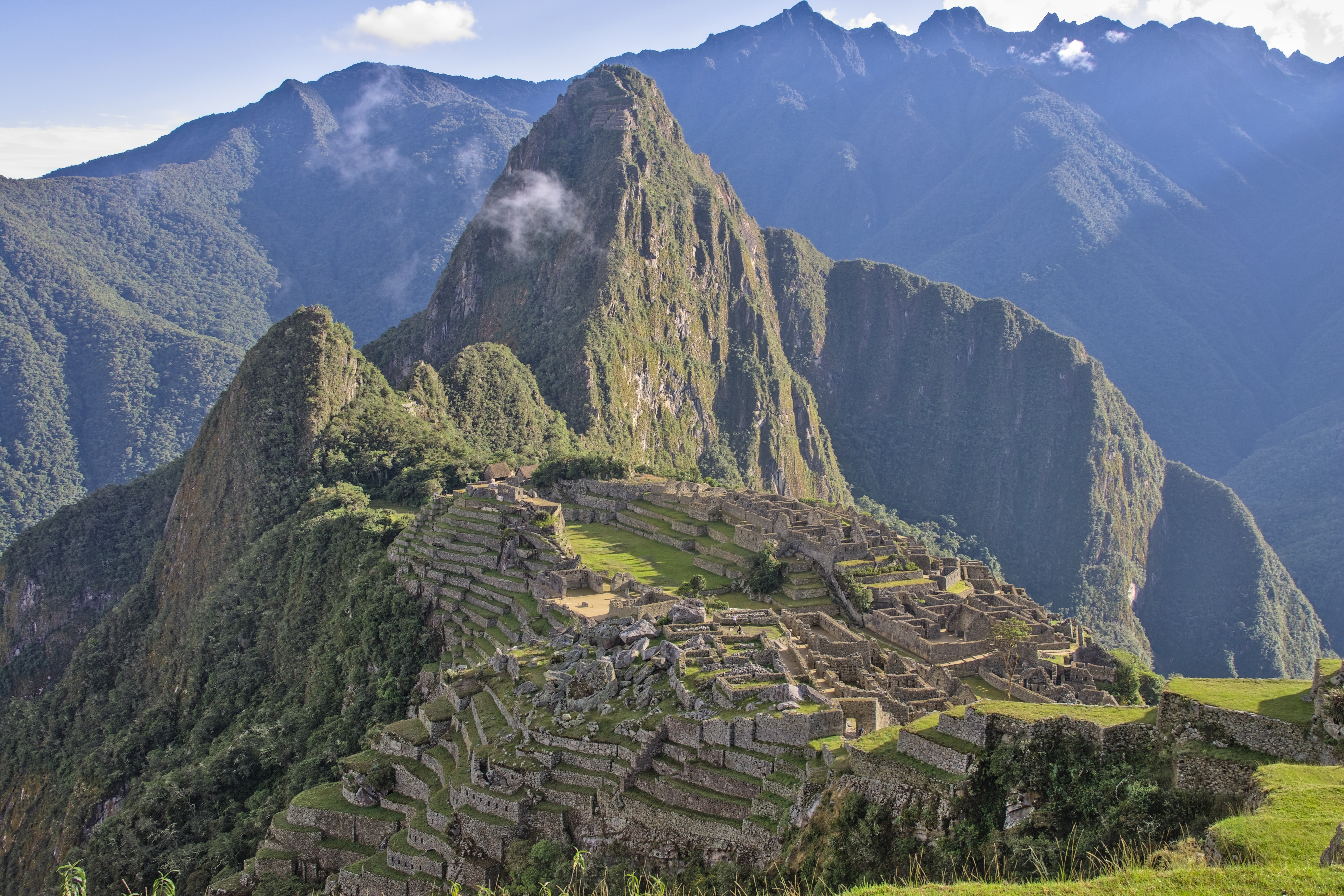
🏔️Machu Picchu
A sacred Inca citadel set high in the Andes, aligned with astronomical events.
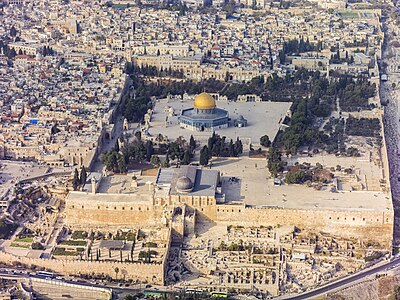
🕌Temple Mount / Al-Aqsa (Jerusalem)
Sacred to Judaism, Christianity, and Islam — the most contested holy site on Earth.
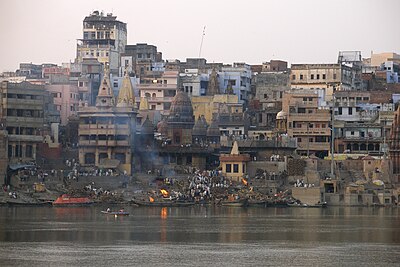
🙏Varanasi (Kashi Vishwanath Temple)
The holiest city in Hinduism, where the Ganges River purifies the soul.

