⛪ Nidaros Cathedral (Trondheim)
Norway
About This Sacred Site
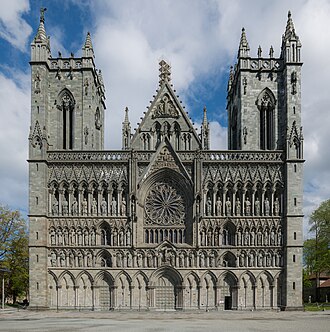
Nidaros Cathedral in Trondheim, Norway, holds the distinction of being the northernmost medieval cathedral in the world and Norway’s most important church. Founded around 1070 over the burial site of King Olav II, later canonized as Saint Olav, it became a national pilgrimage destination. The cathedral showcases a blend of Romanesque and Gothic architecture, with a richly decorated west front featuring intricate stone carvings and stained glass. Its vaults, chapels, and crypts house relics of Saint Olav, making it a spiritual center for centuries. Today, it remains a site of national ceremonies and religious services, symbolizing Norwegian cultural identity.
Spiritual Significance
Founded around 1070 over the tomb of St. Olav, who died in 1030 and was canonized as Norway's patron saint, the cathedral became the principal pilgrimage destination in medieval Scandinavia. The annual Olav Festival in late July commemorates the saint's martyrdom with processions following routes described in the medieval 'Heimskringla' sagas, incorporating liturgical services based on the Latin Missal. As the northernmost medieval Gothic cathedral, it houses relics believed to perform miracles, attracting pilgrims seeking spiritual healing. Nidaros was the traditional coronation church for Norwegian kings until 1906, integrating royal authority with divine sanction. Pilgrims often undertake the St. Olav's Way, a route documented since the 12th century, culminating at the cathedral's west portal adorned with biblical carvings representing the Last Judgment. The cathedral's role in the Lutheran Church of Norway includes hosting national liturgies referencing the Augsburg Confession, reinforcing its historical and contemporary theological significance.
Key Facts
- •Built over the tomb of St. Olav, Norway's patron saint, who died in 1030
- •The northernmost medieval Gothic cathedral in the world
- •Traditional coronation church of Norwegian kings — the crown jewels are displayed in the cathedral
- •The St. Olav's Way pilgrimage route to Nidaros has been revived and covers 643 km from Oslo
- •The ornate west front features rows of carved saints and biblical figures restored in the 19th–20th centuries
Location
Coordinates: 63.4269, 10.3969
Frequently Asked Questions
What religion is Nidaros Cathedral (Trondheim) associated with?▾
Nidaros Cathedral (Trondheim) is a Christianity holy site located in Norway. It was established c. 1070 and is ranked #628 in our global directory of sacred sites.
When was Nidaros Cathedral (Trondheim) established?▾
Nidaros Cathedral (Trondheim) dates back to c. 1070. Built over the tomb of St. Olav, Norway's patron saint, who died in 1030
How many people visit Nidaros Cathedral (Trondheim) each year?▾
Nidaros Cathedral (Trondheim) receives approximately 400,000 visitors per year. The northernmost medieval Gothic cathedral in the world
What is Nidaros Cathedral (Trondheim) known for?▾
The northernmost medieval Gothic cathedral in the world, built over the burial site of St. Olav. Visitors come seeking pilgrimage, blessings, healing, guidance. Traditional coronation church of Norwegian kings — the crown jewels are displayed in the cathedral
Related Holy Sites
Sacred places connected by country, religion, and purpose
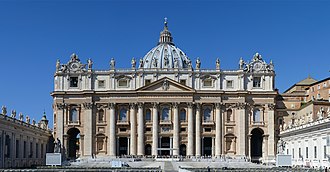
⛪Vatican City (St. Peter's Basilica)
The spiritual center of Roman Catholicism and home of the Pope.
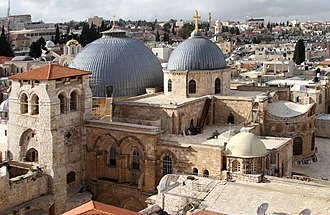
✝️Church of the Holy Sepulchre
The site where Jesus was crucified, buried, and resurrected.