
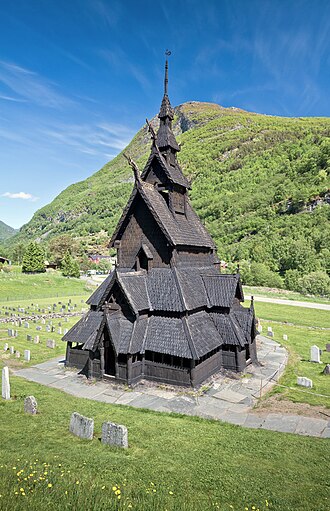
⛪ Borgund Stave Church
Norway
About This Sacred Site
Borgund Stave Church, located in Lærdal, western Norway, is the best-preserved of Norway’s remaining 28 stave churches and a remarkable example of medieval wooden architecture. Built circa 1180, it features a distinctive multi-tiered roof with dragon head carvings and vertical wooden staves supporting the structure. The church’s design reflects Norse building traditions combined with Christian symbolism, evident in its intricate wood carvings and portals. Borgund Stave Church has been maintained as a historic monument, showcasing craftsmanship from the Middle Ages and offering insight into Norway’s religious and cultural history during the transition from paganism to Christianity.
History & Origins
Constructed circa 1180 under the patronage of a local Norwegian chieftain during the reign of King Sverre of Norway, this stave church exemplifies medieval wooden architecture. It is the best-preserved among Norway's 28 surviving stave churches, retaining its original structure with minimal alterations. The church underwent restoration in 1868 led by architect Peter Andreas Blix, who reinforced the foundations and restored the intricate wooden carvings. Notably, the roof is adorned with dragon-head carvings evocative of Viking longships, linking Christian worship to Norse heritage. Runic inscriptions found on the church walls date back to the 12th century, providing evidence of early Christian literacy in the region. The church ceased regular services in the early 20th century but remains a vital cultural monument managed by the Society for the Preservation of Ancient Norwegian Monuments.
Spiritual Significance
The church served as a focal point for medieval Norwegian Christian worship, integrating local pagan motifs such as dragon-heads to symbolize protection against evil. The liturgical calendar observed at this site adhered closely to the medieval Norwegian church, celebrating key events like St. Olaf's Day on July 29, which honored Norway's patron saint. Pilgrims historically visited the site to seek blessings and protection, often leaving rune-carved prayers on wooden tablets discovered during excavations. The church's design reflects theological symbolism found in the Book of Psalms, particularly Psalm 27, emphasizing God as a refuge, paralleled by the sturdy timber construction. The use of stave construction aligns with the Nordic tradition of consecrating wood as a sacred material, linking the congregation to the Old Testament reverence for the Ark of the Covenant. The church remains a pilgrimage destination during the summer solstice, echoing ancient seasonal cycles integrated into Christian worship.
Key Facts
- •Built around 1180 and is the best-preserved of Norway's 28 surviving stave churches
- •The roof features dragon-head carvings similar to those on Viking longships
- •Runic inscriptions on the walls date to the medieval period
- •Constructed using a post-and-lintel ('stave') system unique to Scandinavian wooden architecture
- •Once there were over 1,000 stave churches in Norway; only 28 survive today
Location
Coordinates: 61.0474, 7.8132
Frequently Asked Questions
What religion is Borgund Stave Church associated with?▾
Borgund Stave Church is a Christianity holy site located in Norway. It was established c. 1180 and is ranked #782 in our global directory of sacred sites.
When was Borgund Stave Church established?▾
Borgund Stave Church dates back to c. 1180. Built around 1180 and is the best-preserved of Norway's 28 surviving stave churches
How many people visit Borgund Stave Church each year?▾
Borgund Stave Church receives approximately 100,000 visitors per year. The roof features dragon-head carvings similar to those on Viking longships
What is Borgund Stave Church known for?▾
Norway's best-preserved stave church, a 12th-century wooden masterpiece blending Viking and Christian design. Visitors come seeking ancestral connection, spiritual enlightenment, protection, peace. Runic inscriptions on the walls date to the medieval period
Related Holy Sites
Sacred places connected by country, religion, and purpose
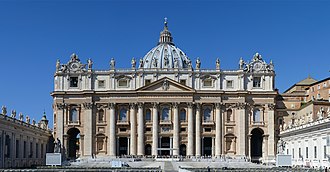
⛪Vatican City (St. Peter's Basilica)
The spiritual center of Roman Catholicism and home of the Pope.
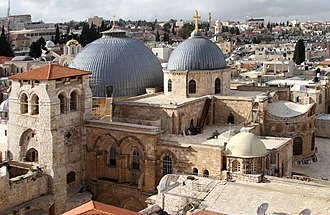
✝️Church of the Holy Sepulchre
The site where Jesus was crucified, buried, and resurrected.
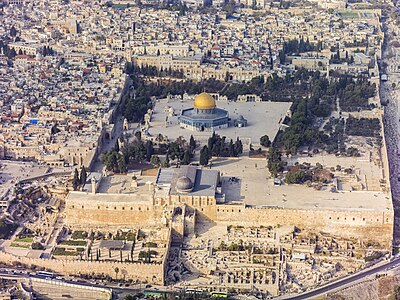
🕌Temple Mount / Al-Aqsa (Jerusalem)
Sacred to Judaism, Christianity, and Islam — the most contested holy site on Earth.
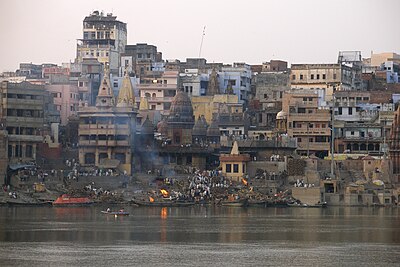
🙏Varanasi (Kashi Vishwanath Temple)
The holiest city in Hinduism, where the Ganges River purifies the soul.

