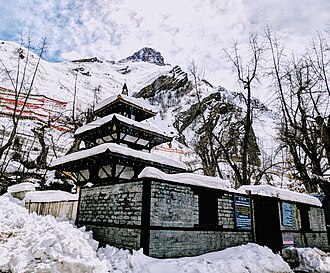
🔥 Muktinath Temple
Nepal
About This Sacred Site
Muktinath Temple is a sacred pilgrimage site located at 3,800 meters altitude in the Mustang district of the Himalayas, revered by both Hindus and Buddhists. For Hindus, it is one of the 108 Divya Desams (holy abodes of Vishnu) and a place where devotees can attain mukti (liberation). For Buddhists, it is a sacred site associated with Guru Rinpoche. The temple complex features 108 water spouts shaped like bull heads from which holy water flows, and a natural eternal flame fueled by underground natural gas, representing the mystical combination of earth, water, and fire.
Spiritual Significance
Muktinath Temple, situated at 3,800 meters altitude in Nepal's Mustang district, holds multi-faith significance as a Divya Desam dedicated to Vishnu in Hinduism and a sacred site in Tibetan Buddhism. The temple is renowned for its 108 water spouts shaped like bull heads, from which cold mountain spring water flows continuously, used by pilgrims for ritual purification in accordance with Hindu practices outlined in the Vishnu Purana. Tibetan Buddhists revere the site as Chumig Gyatsa, or "Hundred Waters," associating it with Guru Rinpoche (Padmasambhava), who is believed to have meditated there in the 8th century CE. Pilgrims from both faiths undertake arduous journeys through the Himalayas, performing circumambulation and lighting butter lamps to accumulate merit as described in the Bhagavad Gita and Tibetan tantric texts. The temple complex includes a Buddhist gompa and a Hindu shrine housing a sacred lingam symbolizing Shiva, reflecting religious syncretism. Major festivals such as Bala Chaturdashi and Makar Sankranti witness large congregations performing fire rituals and offering prayers for liberation (moksha) and spiritual cleansing. The site’s high-altitude setting underscores themes of asceticism and transcendence prevalent in Himalayan spirituality.
Key Facts
- •Located at 3,800 meters altitude in the Mustang district
- •Sacred to both Hindus (as a Divya Desam of Vishnu) and Buddhists
- •Features 108 water spouts shaped like bull heads for ritual bathing
- •Contains a natural eternal flame burning from underground natural gas
- •One of the highest pilgrimage sites in the world
Location
Coordinates: 28.8173, 83.8694
Frequently Asked Questions
What religion is Muktinath Temple associated with?▾
Muktinath Temple is a Multi-faith holy site located in Nepal. It was established c. ancient (temple rebuilt in 19th century) and is ranked #406 in our global directory of sacred sites.
When was Muktinath Temple established?▾
Muktinath Temple dates back to c. ancient (temple rebuilt in 19th century). Located at 3,800 meters altitude in the Mustang district
How many people visit Muktinath Temple each year?▾
Muktinath Temple receives approximately 100,000+ visitors per year. Sacred to both Hindus (as a Divya Desam of Vishnu) and Buddhists
What is Muktinath Temple known for?▾
A sacred site for both Hindus and Buddhists at 3,800 meters in the Himalayas. Visitors come seeking salvation, purification, pilgrimage, spiritual enlightenment. Features 108 water spouts shaped like bull heads for ritual bathing
Related Holy Sites
Sacred places connected by country, religion, and purpose
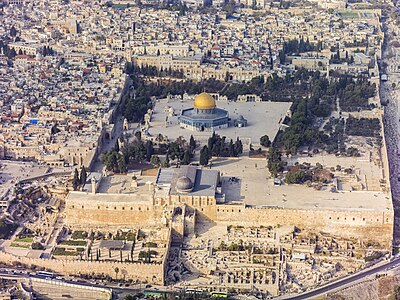
🕌Temple Mount / Al-Aqsa (Jerusalem)
Sacred to Judaism, Christianity, and Islam — the most contested holy site on Earth.
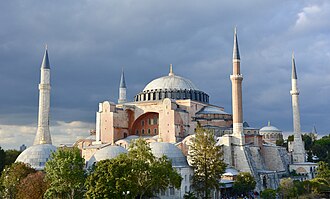
🏛️Hagia Sophia
A masterpiece that served as cathedral, mosque, and museum across centuries.