⛰️ Montserrat Monastery
Spain
About This Sacred Site
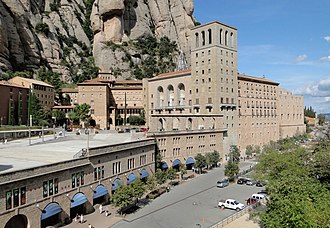
The Monastery of Montserrat, founded in 1025, is perched at 720 meters among the jagged peaks of the Montserrat massif northwest of Barcelona. It is renowned for its Black Madonna statue, La Moreneta, a major pilgrimage object believed to have miraculous powers. The monastery complex includes a basilica, museum, and Benedictine monastery, blending Gothic and Renaissance architectural styles. Its stunning mountain setting and religious importance make it a spiritual and cultural hub in Catalonia.
History & Origins
Established in 1025 by Abbot Oliba, the monastery evolved on Montserrat mountain, with the current basilica inaugurated in 1592 and major Baroque renovations completed in the 18th century. The 12th-century Black Madonna statue, known as La Moreneta, is a Romanesque wooden figure that has been the spiritual heart of the site for centuries. The boys' choir, l'Escolania, first recorded in 1307, is one of Europe's oldest musical institutions, performing Gregorian chant and sacred music daily. In 1522, Ignatius of Loyola famously left his sword at the monastery, marking his spiritual conversion before founding the Jesuit order. The site has undergone restoration after damage during the Napoleonic Wars and the Spanish Civil War, maintaining its status as a major pilgrimage destination in Catalonia.
Spiritual Significance
La Moreneta is venerated through rituals such as the lighting of candles and the singing of the Salve Regina, integral to Marian devotion outlined in the Litany of Loreto. Pilgrims ascend the mountain path, following the Stations of the Cross, mirroring Christ's passion. The monastery hosts annual festivals like the Feast of Our Lady of Montserrat on April 27, drawing thousands for processions and Mass. The boys' choir enhances liturgical celebrations, preserving Gregorian chant traditions tied to early monastic worship. Spiritual retreat programs emphasize Ignatian spirituality, linking the monastery's heritage to the Spiritual Exercises developed by Loyola, reinforcing themes of discernment and commitment within Catholic practice.
Key Facts
- •The Black Madonna statue, La Moreneta, dates to the 12th century
- •The boys' choir, l'Escolania, has been active since the 14th century
- •Ignatius of Loyola hung his sword at the altar here in 1522 before founding the Jesuits
- •The monastery sits at 720 meters among dramatic rock formations
- •Over 150 monks currently live and work at the monastery
Location
Coordinates: 41.5933, 1.8382
Frequently Asked Questions
What religion is Montserrat Monastery associated with?▾
Montserrat Monastery is a Christianity holy site located in Spain. It was established 1025 and is ranked #425 in our global directory of sacred sites.
When was Montserrat Monastery established?▾
Montserrat Monastery dates back to 1025. The Black Madonna statue, La Moreneta, dates to the 12th century
How many people visit Montserrat Monastery each year?▾
Montserrat Monastery receives approximately 2.5 million visitors per year. The boys' choir, l'Escolania, has been active since the 14th century
What is Montserrat Monastery known for?▾
A Benedictine monastery high in the serrated mountains of Catalonia, home of the Black Madonna. Visitors come seeking miracles, healing, pilgrimage, spiritual enlightenment. Ignatius of Loyola hung his sword at the altar here in 1522 before founding the Jesuits
Related Holy Sites
Sacred places connected by country, religion, and purpose
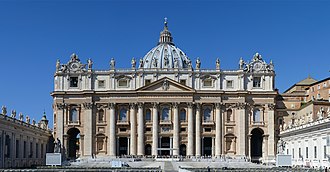
⛪Vatican City (St. Peter's Basilica)
The spiritual center of Roman Catholicism and home of the Pope.
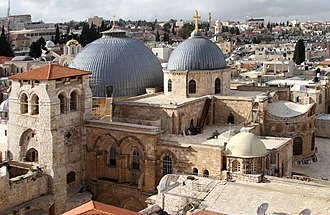
✝️Church of the Holy Sepulchre
The site where Jesus was crucified, buried, and resurrected.