
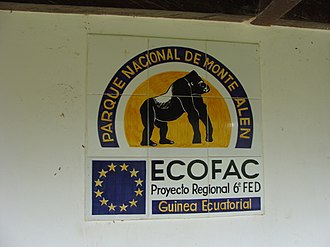
🌿 Monte Alén Sacred Sites
Equatorial Guinea
About This Sacred Site
Monte Alén National Park on the mainland portion of Equatorial Guinea (Río Muni) contains sacred forests and ritual sites of the Fang people. The dense equatorial rainforest harbors locations used for Bwiti and other traditional spiritual practices, including initiation ceremonies, healing rituals, and ancestor veneration. The Fang people's relationship with the forest is deeply spiritual, with specific trees, water sources, and clearings held as sacred. The iboga plant, central to Bwiti spiritual practice, grows in these forests and is used in elaborate ceremonial contexts to achieve spiritual transformation.
History & Origins
Monte Alén Sacred Sites are deeply intertwined with the spiritual and cultural practices of the Fang people, indigenous to Equatorial Guinea's Río Muni region. These sacred forests and ritual sites within Monte Alén National Park have been revered since ancient times, serving as places for initiation rites, ancestral worship, and traditional healing ceremonies. The Fang consider these forests as living entities inhabited by spirits and ancestors, essential for maintaining societal harmony and ecological balance. Despite pressures from logging and modernization, efforts have been made to protect these sites, recognizing their irreplaceable cultural and environmental value. The French colonial period documented some of these sacred spaces, but local oral traditions have primarily preserved their profound significance. Today, Monte Alén remains a vital repository of Fang heritage, where ritual practices continue to connect present generations with their ancestral past.
Spiritual Significance
The Monte Alén Sacred Sites in mainland Equatorial Guinea, located within the Río Muni region, hold profound spiritual importance for the Fang people who practice Bwiti, a syncretic religion combining indigenous beliefs and Christian elements. The sites encompass forest groves where the iboga plant, used in Bwiti initiation ceremonies, naturally grows, facilitating rituals that induce visionary states central to spiritual renewal and ancestral communication. Annual Bwiti festivals involve drumming, dancing, and the ingestion of iboga under the guidance of spiritual leaders called Nguimbis, who interpret visions and provide healing. These sacred groves are also venues for rites of passage and communal prayers for protection against malevolent spirits. Fang oral histories identify Monte Alén as the origin place of their ancestors, reinforcing its role as a pilgrimage destination. The preservation of these sacred sites is critical for maintaining the integrity of Bwiti practices and the cultural identity of the Fang community.
Key Facts
- •Located in mainland Equatorial Guinea (Río Muni)
- •Sacred to the Fang people who practice Bwiti and other traditions
- •The iboga plant used in Bwiti ceremonies grows in these forests
- •Contains sites for initiation ceremonies and ancestor veneration
- •One of the most biodiverse areas in western Central Africa
Location
Coordinates: 1.6500, 10.3000
Frequently Asked Questions
What religion is Monte Alén Sacred Sites associated with?▾
Monte Alén Sacred Sites is a Indigenous holy site located in Equatorial Guinea. It was established Ancient and is ranked #1024 in our global directory of sacred sites.
When was Monte Alén Sacred Sites established?▾
Monte Alén Sacred Sites dates back to Ancient. Located in mainland Equatorial Guinea (Río Muni)
How many people visit Monte Alén Sacred Sites each year?▾
Monte Alén Sacred Sites receives approximately 3,000 visitors per year. Sacred to the Fang people who practice Bwiti and other traditions
What is Monte Alén Sacred Sites known for?▾
Sacred rainforest sites of the Fang people in mainland Equatorial Guinea. Visitors come seeking ancestral connection, healing, protection. The iboga plant used in Bwiti ceremonies grows in these forests
Related Holy Sites
Sacred places connected by country, religion, and purpose
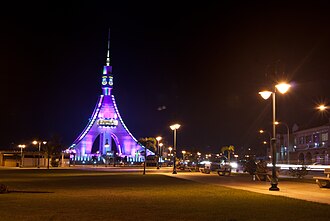
⛪Bata Cathedral
The principal cathedral of mainland Equatorial Guinea's largest city.
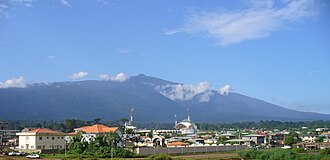
⛪Cathedral of Santa Isabel Malabo
A twin-towered neo-Gothic cathedral in Equatorial Guinea's island capital.
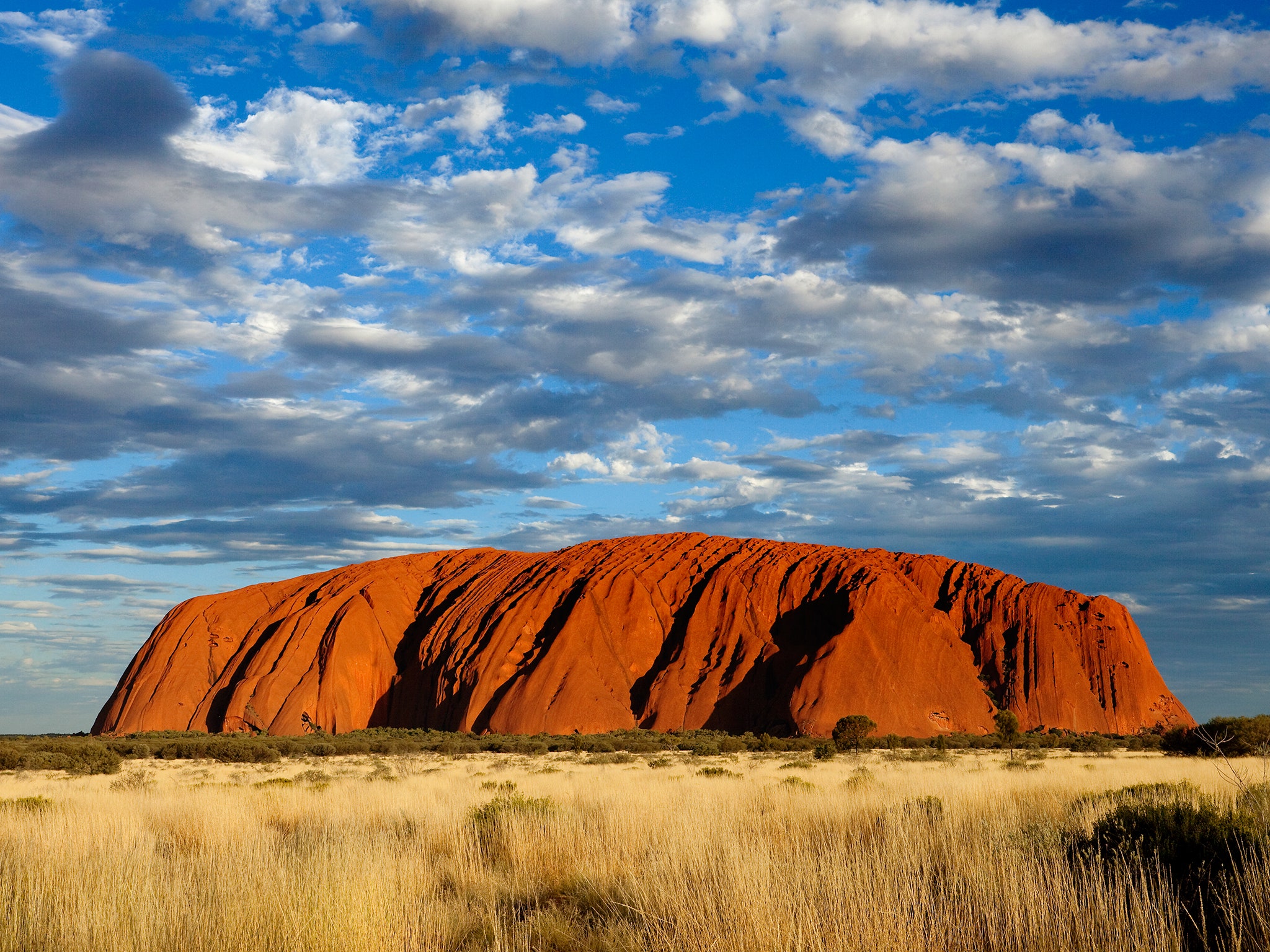
🪨Uluru (Ayers Rock)
A sacred monolith central to Aboriginal Australian creation stories.
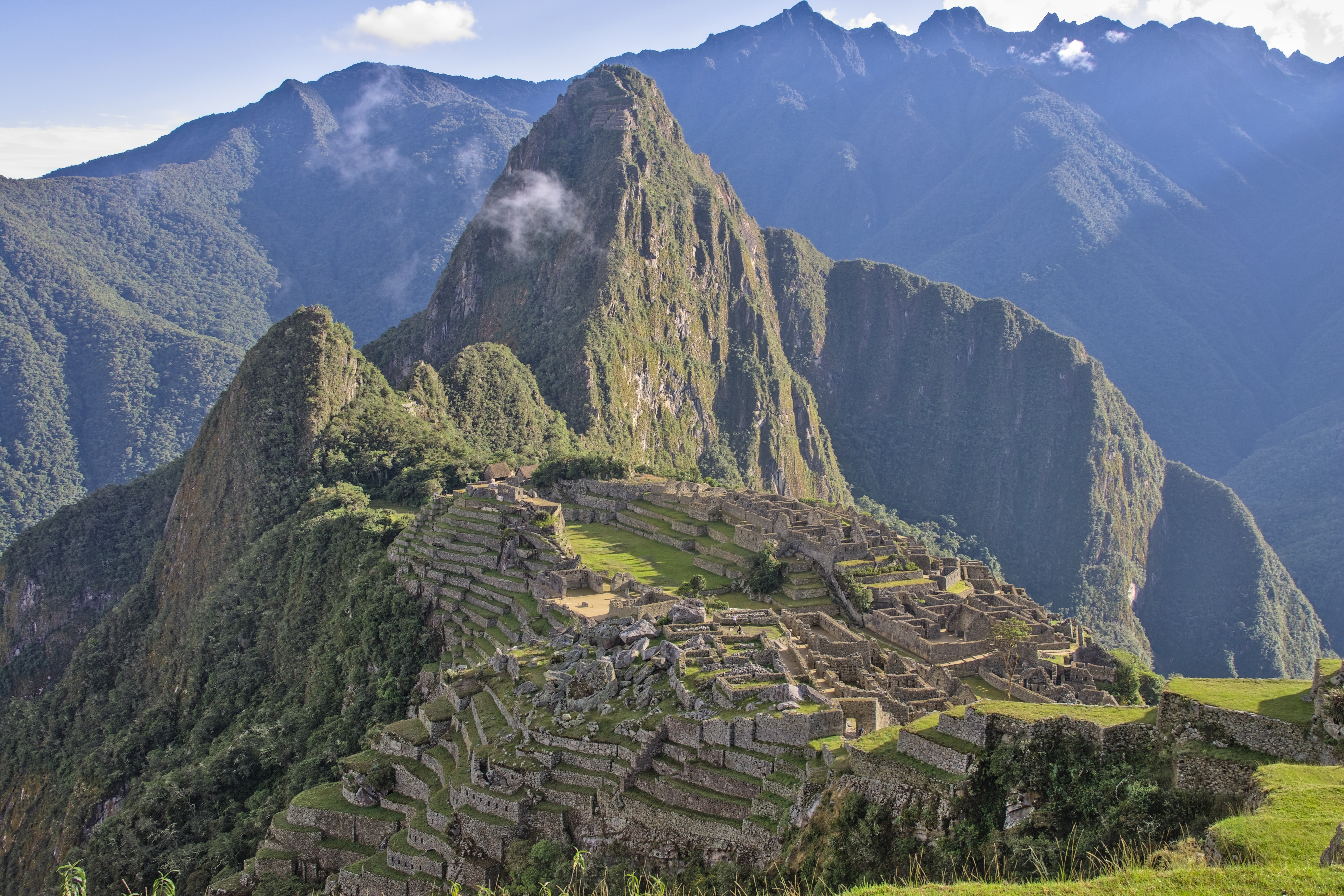
🏔️Machu Picchu
A sacred Inca citadel set high in the Andes, aligned with astronomical events.
🙏Varanasi (Kashi Vishwanath Temple)
The holiest city in Hinduism, where the Ganges River purifies the soul.
✝️Church of the Holy Sepulchre
The site where Jesus was crucified, buried, and resurrected.

