⛪ Bata Cathedral
Equatorial Guinea
About This Sacred Site
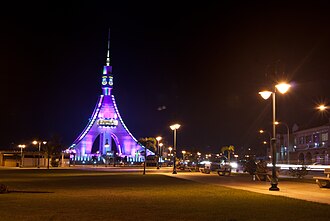
The Cathedral of Bata is the principal Catholic church of the continental region of Equatorial Guinea and the largest city on the mainland. The cathedral serves as the seat of the Diocese of Bata and a center of Catholic worship for the Fang and other communities of Río Muni. Spanish missionaries introduced Christianity to the region in the 19th century, and the faith has become deeply embedded in Equatoguinean culture, coexisting with traditional Fang spiritual practices. The cathedral hosts major religious celebrations that blend Catholic liturgy with local cultural expressions.
History & Origins
The Cathedral of Bata, officially known as the Cathedral of St. James the Apostle, was constructed during the 1930s under Spanish colonial administration, marking it as a central symbol of Catholicism on Equatorial Guinea’s mainland. Built in a neoclassical style, the cathedral became the principal place of worship for the growing Catholic population in Bata, the country’s largest city. Over the decades, it has undergone several renovations, notably in the 1960s following independence in 1968, adapting its interior to accommodate local liturgical customs. The cathedral witnessed significant political events, including Masses attended by national leaders and ceremonies promoting social cohesion. Its bell tower remains a prominent city landmark. Serving both spiritual and community functions, the cathedral has evolved from a colonial religious institution into a vibrant hub of faith for Equatorial Guinea’s diverse Christian community.
Spiritual Significance
Constructed in the 1930s, the Bata Cathedral serves as the principal Catholic church on the mainland of Equatorial Guinea and is the seat of the Roman Catholic Diocese of Bata, located in the country’s largest city on the Río Muni coast. The cathedral is central to the religious life of the local Christian population, hosting significant liturgical celebrations including the Feast of the Sacred Heart, which involves elaborate masses and community gatherings. Its architectural design features a prominent nave and vaulted ceilings that accommodate large congregations during major events such as Easter and Christmas. The cathedral supports catechetical programs aligned with Vatican II reforms, emphasizing lay participation and social justice teachings. As a pilgrimage site, it attracts worshippers from surrounding regions who participate in novenas and prayer vigils dedicated to the Virgin Mary. The cathedral also functions as a hub for ecumenical activities and community outreach, reflecting the dynamic role of Christianity in the socio-spiritual fabric of mainland Equatorial Guinea.
Key Facts
- •Principal Catholic church of mainland Equatorial Guinea
- •Seat of the Roman Catholic Diocese of Bata
- •Bata is the largest city on the mainland (Río Muni)
- •Christianity coexists with traditional Fang spiritual practices
- •Religious celebrations blend Catholic liturgy with local culture
Location
Coordinates: 1.8633, 9.7658
Frequently Asked Questions
What religion is Bata Cathedral associated with?▾
Bata Cathedral is a Christianity holy site located in Equatorial Guinea. It was established c. 1930s and is ranked #891 in our global directory of sacred sites.
When was Bata Cathedral established?▾
Bata Cathedral dates back to c. 1930s. Principal Catholic church of mainland Equatorial Guinea
How many people visit Bata Cathedral each year?▾
Bata Cathedral receives approximately 20,000 visitors per year. Seat of the Roman Catholic Diocese of Bata
What is Bata Cathedral known for?▾
The principal cathedral of mainland Equatorial Guinea's largest city. Visitors come seeking blessings, peace, salvation. Bata is the largest city on the mainland (Río Muni)
Related Holy Sites
Sacred places connected by country, religion, and purpose
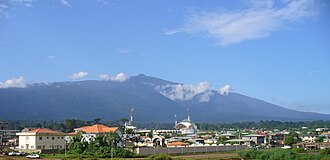
⛪Cathedral of Santa Isabel Malabo
A twin-towered neo-Gothic cathedral in Equatorial Guinea's island capital.
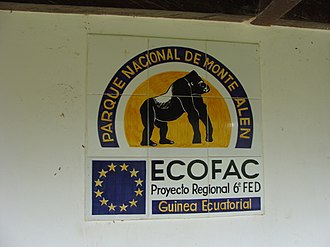
🌿Monte Alén Sacred Sites
Sacred rainforest sites of the Fang people in mainland Equatorial Guinea.
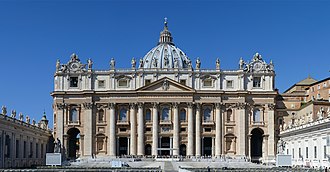
⛪Vatican City (St. Peter's Basilica)
The spiritual center of Roman Catholicism and home of the Pope.
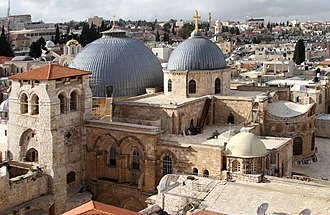
✝️Church of the Holy Sepulchre
The site where Jesus was crucified, buried, and resurrected.