
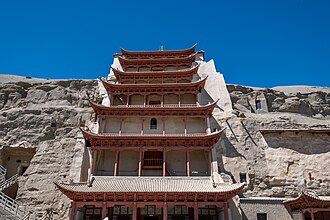
🎨 Mogao Caves (Caves of the Thousand Buddhas)
China
About This Sacred Site
The Mogao Caves near Dunhuang in Gansu Province are one of the world's greatest repositories of Buddhist art, comprising 492 cave temples carved into a cliff face along the ancient Silk Road. Spanning a millennium from the 4th to 14th centuries, they contain over 45,000 square meters of murals and more than 2,000 painted sculptures. The caves were a crucial meeting point of Chinese, Indian, and Central Asian cultures along the Silk Road. The Library Cave, sealed for nearly 900 years, was rediscovered in 1900 and contained over 50,000 ancient manuscripts and paintings.
Spiritual Significance
The Mogao Caves, established in 366 CE by Buddhist monk Lè Zūn near Dunhuang, served as a vital pilgrimage site along the Silk Road, attracting devotees who performed circumambulation (kora) around the cave complexes to accrue merit. The caves contain over 45,000 square meters of murals illustrating Buddhist sutras such as the Lotus Sutra and Avatamsaka Sutra, reflecting the Mahayana tradition prevalent during their construction. Monks and pilgrims engaged in ritual offerings and chanting of scriptures within the sanctuaries, supporting the belief in accumulating spiritual merit for rebirth and enlightenment. The discovery of the Library Cave, sealed in the 11th century and containing over 50,000 manuscripts including Buddhist texts in Sanskrit, Tibetan, and Chinese, underscores the site’s role in preserving doctrinal teachings and ritual manuals. Annual festivals commemorated the birth and enlightenment of the Buddha, during which elaborate ceremonies involving recitations and meditation sessions were held. The iconography across ten centuries documents the evolution of Buddhist cosmology and devotional practices endorsed by leaders of the Dunhuang monastic community.
Key Facts
- •Contains 492 cave temples with over 45,000 square meters of murals
- •The caves span 1,000 years of Buddhist art from the 4th to 14th centuries
- •The Library Cave contained over 50,000 manuscripts sealed since the 11th century
- •Includes the world's oldest known dated printed book, the Diamond Sutra (868 CE)
- •UNESCO World Heritage Site since 1987
Location
Coordinates: 40.0359, 94.8024
Frequently Asked Questions
What religion is Mogao Caves (Caves of the Thousand Buddhas) associated with?▾
Mogao Caves (Caves of the Thousand Buddhas) is a Buddhism holy site located in China. It was established 366 CE and is ranked #88 in our global directory of sacred sites.
When was Mogao Caves (Caves of the Thousand Buddhas) established?▾
Mogao Caves (Caves of the Thousand Buddhas) dates back to 366 CE. Contains 492 cave temples with over 45,000 square meters of murals
How many people visit Mogao Caves (Caves of the Thousand Buddhas) each year?▾
Mogao Caves (Caves of the Thousand Buddhas) receives approximately 2+ million visitors per year. The caves span 1,000 years of Buddhist art from the 4th to 14th centuries
What is Mogao Caves (Caves of the Thousand Buddhas) known for?▾
A vast complex of 492 Buddhist cave temples with 1,000 years of murals and sculptures. Visitors come seeking spiritual enlightenment, meditation, guidance, blessings. The Library Cave contained over 50,000 manuscripts sealed since the 11th century
Related Holy Sites
Sacred places connected by country, religion, and purpose
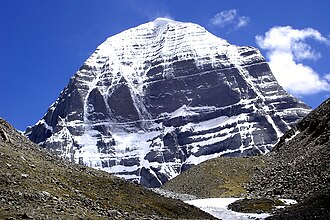
🏔️Mount Kailash
Sacred to four religions, considered the center of the universe.
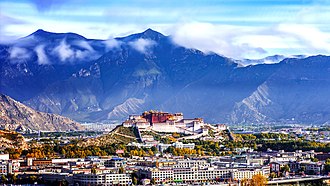
🏯Potala Palace
Former winter residence of the Dalai Lama, towering over Lhasa.
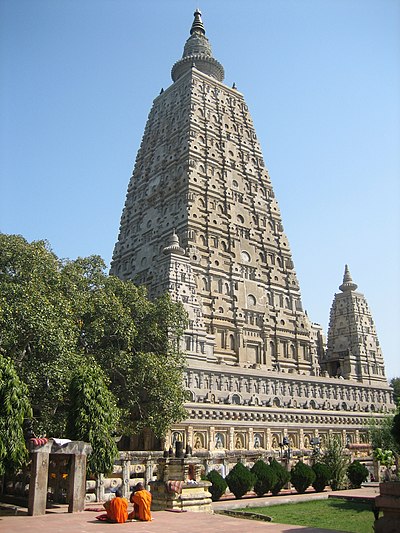
☸️Bodh Gaya (Mahabodhi Temple)
Where Siddhartha Gautama attained enlightenment and became the Buddha.
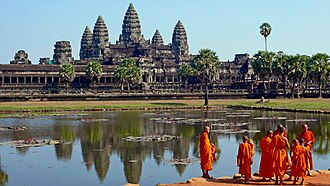
🛕Angkor Wat
The largest religious monument in the world, originally Hindu then Buddhist.

⛪Vatican City (St. Peter's Basilica)
The spiritual center of Roman Catholicism and home of the Pope.

🕌Temple Mount / Al-Aqsa (Jerusalem)
Sacred to Judaism, Christianity, and Islam — the most contested holy site on Earth.

