
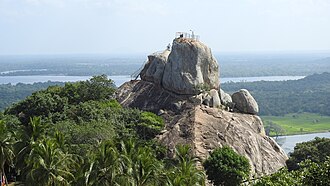
⛰️ Mihintale
Sri Lanka
About This Sacred Site
Mihintale is a mountain peak near Anuradhapura revered as the site where Buddhism was introduced to Sri Lanka. In 247 BCE, the Indian monk Mahinda (son of Emperor Ashoka) met King Devanampiyatissa on this hilltop and converted him to Buddhism, establishing the religion on the island. A grand stairway of 1,840 granite steps leads to the summit, where visitors find ancient stupas, ruins of monasteries, and the Aradhana Gala rock where Mahinda first preached. The annual Poson Poya festival in June commemorates this event with thousands of pilgrims climbing the steps by candlelight.
History & Origins
Mihintale was established in 247 BCE when the Buddhist monk Mahinda, son of Emperor Ashoka of India, introduced Buddhism to Sri Lanka during the reign of King Devanampiya Tissa. The site features a stairway with 1,840 granite steps leading pilgrims to the summit where Mahinda is said to have met the king. Throughout history, the site expanded with stupas, monastic buildings, and rock inscriptions dating from the Anuradhapura period (377 BCE–1017 CE). Archaeological evidence shows renovations during the Polonnaruwa period (11th–13th centuries CE) and maintenance by later rulers. The complex includes a large reservoir, Kantaka Cetiya, built to support the monastic community. Mihintale remains an active pilgrimage site, preserving ancient stone pillars and a large Buddha statue carved into rock.
Spiritual Significance
Mihintale is revered as the birthplace of Buddhism in Sri Lanka, marking the introduction of Theravada tradition on the island as recorded in the Mahavamsa chronicle. The annual Poson Poya festival, held on the full moon of June, attracts thousands who perform almsgiving, chanting of Pali suttas, and circumambulation of the sacred stupa. Pilgrims ascend the 1,840-step stairway as an act of devotion, symbolizing spiritual ascent, and visit the remains of the meditation caves used by early monks. The site is associated with the teachings of Mahinda Thera, whose missionary work is detailed in the Dipavamsa and Mahavamsa, foundational Sri Lankan Buddhist texts. Rituals emphasize mindfulness and adherence to the Vinaya monastic code, reflecting the site’s role in establishing monastic discipline in Sri Lanka.
Key Facts
- •The site where monk Mahinda introduced Buddhism to Sri Lanka in 247 BCE
- •A stairway of 1,840 granite steps leads to the sacred summit
- •The annual Poson Poya festival draws hundreds of thousands of pilgrims
- •Contains ancient hospital ruins, one of the earliest known hospitals in the world
- •Considered the cradle of Buddhism in Sri Lanka
Location
Coordinates: 8.3519, 80.5117
Frequently Asked Questions
What religion is Mihintale associated with?▾
Mihintale is a Buddhism holy site located in Sri Lanka. It was established 247 BCE and is ranked #318 in our global directory of sacred sites.
When was Mihintale established?▾
Mihintale dates back to 247 BCE. The site where monk Mahinda introduced Buddhism to Sri Lanka in 247 BCE
How many people visit Mihintale each year?▾
Mihintale receives approximately 500,000+ visitors per year. A stairway of 1,840 granite steps leads to the sacred summit
What is Mihintale known for?▾
The mountain where Buddhism was first introduced to Sri Lanka in 247 BCE. Visitors come seeking spiritual enlightenment, pilgrimage, meditation, peace. The annual Poson Poya festival draws hundreds of thousands of pilgrims
Related Holy Sites
Sacred places connected by country, religion, and purpose
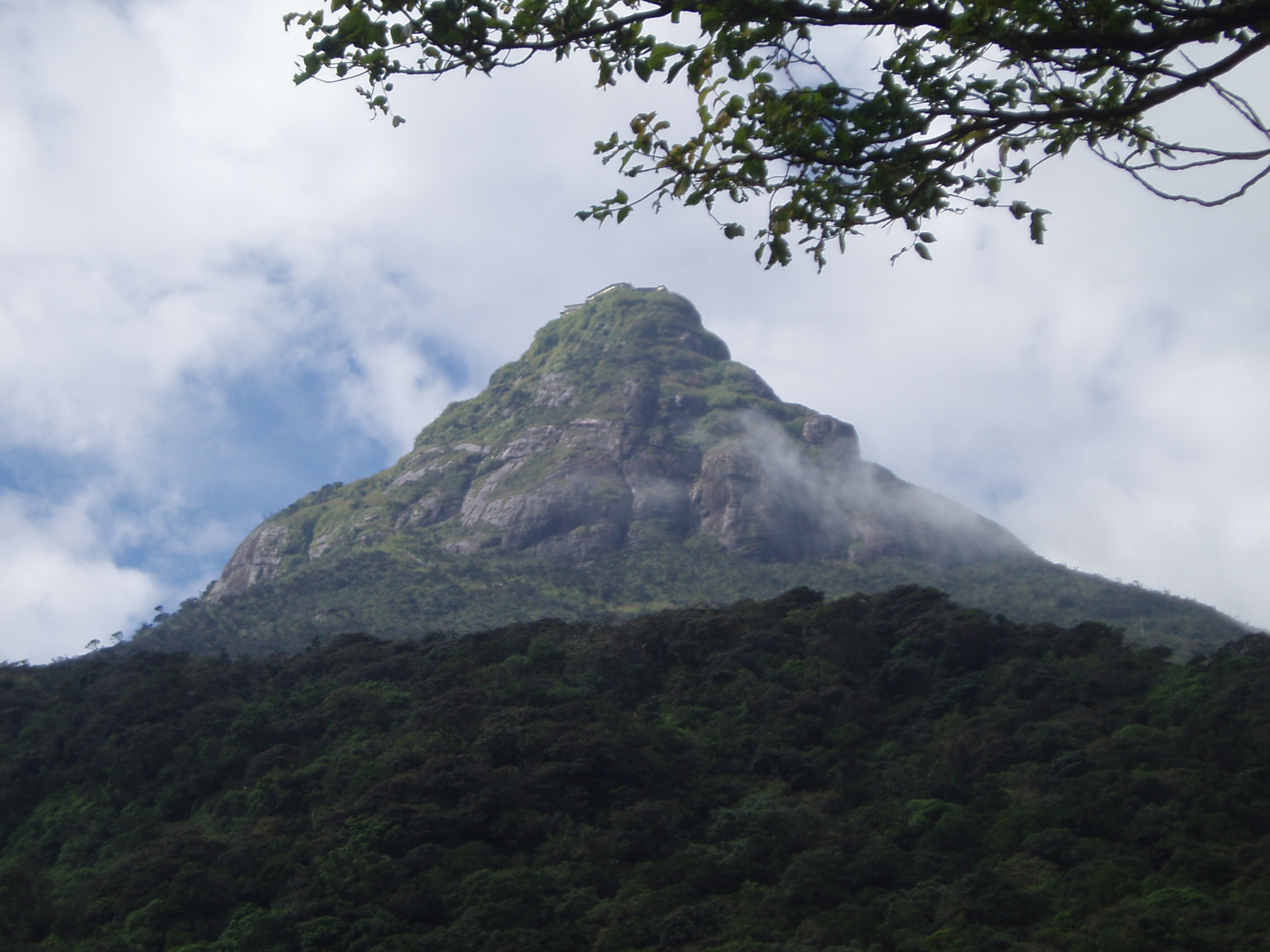
👣Sri Pada (Adam's Peak)
A sacred mountain with a footprint revered by four different religions.
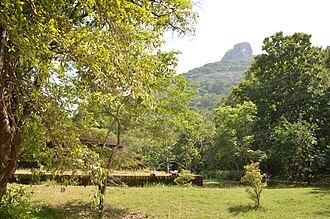
🌳Anuradhapura Sacred City
Sri Lanka's first ancient capital, home to the world's oldest known tree planted by humans.
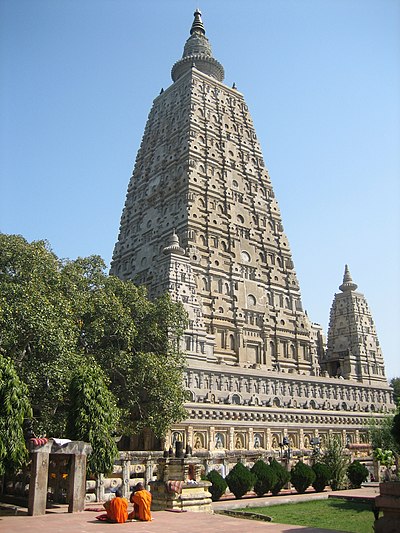
☸️Bodh Gaya (Mahabodhi Temple)
Where Siddhartha Gautama attained enlightenment and became the Buddha.
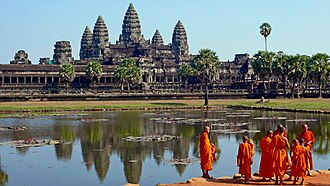
🛕Angkor Wat
The largest religious monument in the world, originally Hindu then Buddhist.
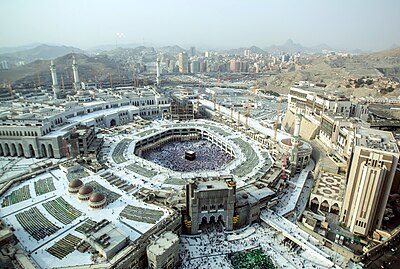
🕋Masjid al-Haram (Great Mosque of Mecca)
The holiest site in Islam, home of the Kaaba, and the destination for Hajj pilgrimage.
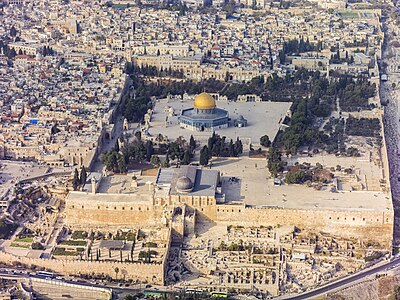
🕌Temple Mount / Al-Aqsa (Jerusalem)
Sacred to Judaism, Christianity, and Islam — the most contested holy site on Earth.

