
💫 Mevlana Museum (Konya)
Turkey
About This Sacred Site
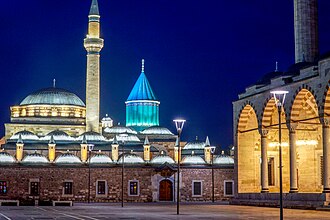
The Mevlana Museum in Konya is the mausoleum of Jalal ad-Din Muhammad Rumi, the 13th-century Persian poet, scholar, and founder of the Mevlevi Order of Whirling Dervishes. Rumi is one of the most widely read poets in the world and his message of universal love transcends religious boundaries. The museum's distinctive fluted turquoise dome covers his sarcophagus, which is draped in brocade and topped with an enormous turban. The complex includes the former Dervish lodge (tekke) where the sema (whirling prayer ceremony) was performed.
History & Origins
The Mevlana Museum in Konya is built around the mausoleum of Jalal ad-Din Muhammad Rumi, the 13th-century Persian poet, mystic, and founder of the Mevlevi Sufi order, known for the Whirling Dervishes. Rumi died in 1273, and the site became a pilgrimage destination for followers of Sufism and admirers of his spiritual teachings. The complex includes the tomb, a mosque, dervish lodge, and a museum showcasing manuscripts and artifacts. Over centuries, it has been expanded and maintained, symbolizing Rumi’s enduring influence on Islamic mysticism and world literature.
Spiritual Significance
Established in 1274 at the death of Jalal ad-Din Muhammad Rumi, the site serves as the mausoleum for the revered 13th-century Sufi mystic whose poetry is among the most widely read globally. The green-tiled dome capping the tomb, constructed in the 14th century, symbolizes spiritual ascent and is the most recognizable landmark in Konya. Pilgrims partake in the annual Seb-i Arus festival every December 17th, marking Rumi's union with the Divine, where the Whirling Dervishes perform the sema ceremony, a ritual dance representing the soul's journey. Devotees recite verses from Rumi's Masnavi and Diwan-e Shams-e Tabrizi, texts foundational to Mevlevi Sufism, emphasizing love and unity with God. The museum complex also preserves Rumi's personal artifacts, including manuscripts and musical instruments used in spiritual gatherings known as sohbet. Visitors often engage in contemplative prayer around the tomb, following the tradition of seeking baraka, or spiritual blessing, rooted in Islamic mysticism.
Key Facts
- •Rumi's poetry has made him one of the most-read poets in the world
- •The green-tiled dome over Rumi's tomb is Konya's most recognizable landmark
- •Over 3 million people visit annually, making it Turkey's most visited museum
- •The sema ceremony of the Whirling Dervishes is a UNESCO Intangible Cultural Heritage
- •Rumi's famous inscription: 'Come, come, whoever you are — even if you have broken your vows a thousand times'
Location
Coordinates: 37.8716, 32.5042
Frequently Asked Questions
What religion is Mevlana Museum (Konya) associated with?▾
Mevlana Museum (Konya) is a Islam holy site located in Turkey. It was established 1274 (Rumi's death) and is ranked #199 in our global directory of sacred sites.
When was Mevlana Museum (Konya) established?▾
Mevlana Museum (Konya) dates back to 1274 (Rumi's death). Rumi's poetry has made him one of the most-read poets in the world
How many people visit Mevlana Museum (Konya) each year?▾
Mevlana Museum (Konya) receives approximately 3 million visitors per year. The green-tiled dome over Rumi's tomb is Konya's most recognizable landmark
What is Mevlana Museum (Konya) known for?▾
The mausoleum of Rumi, the great Sufi poet, and former lodge of the Whirling Dervishes. Visitors come seeking spiritual enlightenment, peace, meditation, guidance. Over 3 million people visit annually, making it Turkey's most visited museum
Related Holy Sites
Sacred places connected by country, religion, and purpose
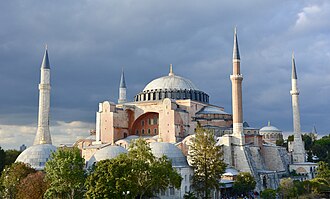
🏛️Hagia Sophia
A masterpiece that served as cathedral, mosque, and museum across centuries.
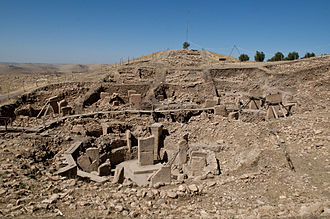
🏛️Göbekli Tepe
The world's oldest known temple, predating Stonehenge by 6,000 years.
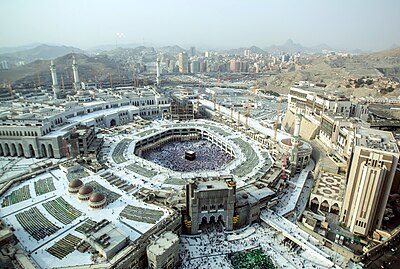
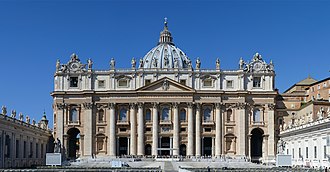
⛪Vatican City (St. Peter's Basilica)
The spiritual center of Roman Catholicism and home of the Pope.
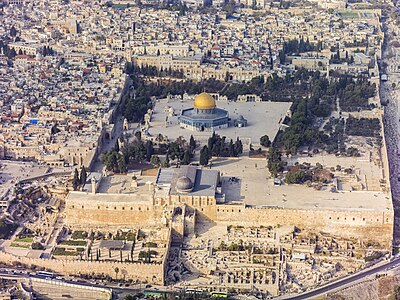
🕌Temple Mount / Al-Aqsa (Jerusalem)
Sacred to Judaism, Christianity, and Islam — the most contested holy site on Earth.

