⛪ Medjugorje
Croatia
About This Sacred Site
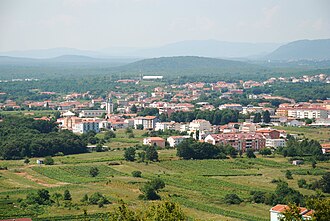
Medjugorje, located in southern Bosnia and Herzegovina, is a small village known for its reported Marian apparitions beginning on June 24, 1981, involving six local visionaries. The central religious structure is the Church of St. James, built in the 1960s, featuring a simple stone façade and a single bell tower rising approximately 30 meters. The church's interior includes a large nave with wooden pews and a marble altar. Nearby, the Apparition Hill (Podbrdo) is a rocky elevation where the visionaries first reported seeing the Virgin Mary; it is accessible by a steep 1.5-kilometer path used by pilgrims. Medjugorje's landscape includes vineyards and rolling hills, and the area's limestone geology contributes to its rugged terrain. The site lacks official Vatican recognition of the apparitions but remains one of Europe's busiest pilgrimage destinations, with over 30 million visitors since 1981.
History & Origins
Medjugorje gained worldwide attention in 1981 when six children claimed to experience daily apparitions of the Virgin Mary, sparking a rapid growth in pilgrimages despite initial skepticism from church authorities. Over the decades, the site evolved into a major spiritual destination, hosting millions annually who participate in prayer, confession, and retreats. The local parish has been expanded to accommodate visitors, and the surrounding hills have been developed with chapels and paths commemorating the apparitions. While the Vatican has commissioned investigations and granted limited pilgrimage permissions, full ecclesiastical approval remains pending, making Medjugorje a unique phenomenon in modern Catholic spirituality.
Spiritual Significance
Since the initial 1981 apparitions reported by six local visionaries, Medjugorje has become a major site for Marian devotion, drawing millions to participate in daily rosary prayers held on Apparition Hill and the village church. The messages reportedly received emphasize themes of repentance, prayer, and peace, echoing scriptural calls from the Gospel of Matthew (5:9) for peacemaking. Annual pilgrimages peak during the summer months, particularly on June 24, commemorating the first apparition anniversary with candlelight processions. Confessionals in St. James Church are heavily frequented, reflecting the importance of the sacrament of reconciliation in the Medjugorje devotional cycle. The site fosters ecumenical outreach by hosting interdenominational prayer meetings, aligning with Pope John Paul II's Marian devotion emphasis. Some pilgrims undertake the ascent of Cross Mountain as a form of penance and meditation on Christ's Passion, connecting physical pilgrimage with spiritual purification. The ongoing nature of the reported apparitions influences contemporary Catholic debates on private revelation and ecclesiastical discernment.
Key Facts
- •Six visionaries reported seeing the Virgin Mary from June 24, 1981, and some claim ongoing messages
- •Over 30 million pilgrims have visited since 1981, making it one of Europe's busiest pilgrimage sites
- •Pope Francis authorized official pilgrimages to Medjugorje in 2019
- •Cross Mountain (Križevac) features a 8.5-meter concrete cross erected in 1934
- •Pilgrims report numerous healings and conversions, though the apparitions remain under study
Location
Coordinates: 43.1911, 17.6783
Frequently Asked Questions
What religion is Medjugorje associated with?▾
Medjugorje is a Christianity holy site located in Croatia. It was established 1981 (apparitions) and is ranked #654 in our global directory of sacred sites.
When was Medjugorje established?▾
Medjugorje dates back to 1981 (apparitions). Six visionaries reported seeing the Virgin Mary from June 24, 1981, and some claim ongoing messages
How many people visit Medjugorje each year?▾
Medjugorje receives approximately 2.5 million visitors per year. Over 30 million pilgrims have visited since 1981, making it one of Europe's busiest pilgrimage sites
What is Medjugorje known for?▾
A pilgrimage town in Bosnia and Herzegovina where reported Marian apparitions began in 1981. Visitors come seeking healing, miracles, pilgrimage, peace. Pope Francis authorized official pilgrimages to Medjugorje in 2019
Related Holy Sites
Sacred places connected by country, religion, and purpose
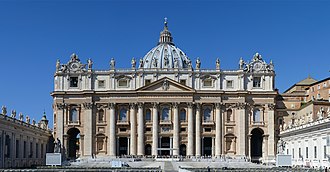
⛪Vatican City (St. Peter's Basilica)
The spiritual center of Roman Catholicism and home of the Pope.
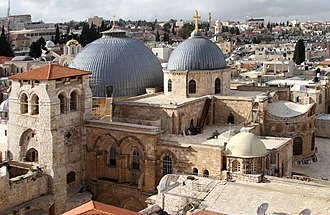
✝️Church of the Holy Sepulchre
The site where Jesus was crucified, buried, and resurrected.