⛪ Matthias Church (Budapest)
Hungary
About This Sacred Site
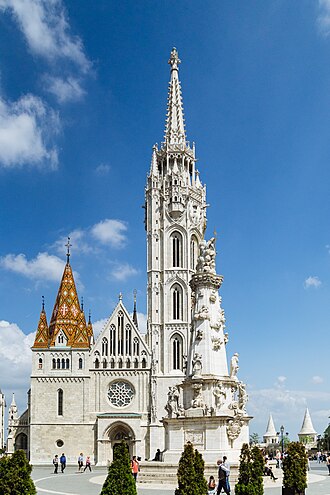
Matthias Church, officially the Church of Our Lady, is a striking Gothic edifice situated atop Budapest's Castle Hill. Originally founded in 1015, the current structure dates mainly from the 14th century, showcasing elaborate spires, colorful tiled roofs, and richly ornamented interiors. It has served as the coronation church for Hungarian kings, including Matthias Corvinus, whose name it bears. The church combines Romanesque origins with later Gothic and Neo-Gothic renovations, reflecting Hungary's religious and royal history within the architectural grandeur of the Buda district.
Spiritual Significance
Matthias Church in Budapest has served as a central place of worship and coronation for Hungarian kings, including King Matthias Corvinus, after whom it is named. It hosts significant liturgical celebrations aligned with the Roman Catholic liturgical calendar, such as the Feast of Saint Stephen on August 20th, commemorating Hungary's first king and Christianization. The church was the site where Franz Liszt composed the 'Legend of Saint Elizabeth' in 1862, reflecting its role as a cultural and spiritual hub. During Ottoman rule from 1541 to 1686, the church was converted into a mosque, during which Islamic prayer practices supplanted Christian rituals, but the building was restored to Catholic use after the Habsburg reconquest. Pilgrims and tourists alike visit the church to venerate relics of Saint Stephen and to participate in the Eucharist celebrated according to the Roman Rite. The church's intricate altarpieces and stained glass windows illustrate the life of Christ and Hungarian saints, reinforcing Catholic doctrine and national identity. The annual Christmas and Easter masses draw large congregations, maintaining the church's role as a vibrant center for faith and tradition in Budapest.
Key Facts
- •Originally founded in 1015 by King Stephen I, Hungary's first Christian king
- •Converted into a mosque during 150 years of Ottoman occupation (1541–1686)
- •Franz Liszt composed his Coronation Mass for the 1867 coronation of Franz Joseph I held here
- •The colorful diamond-patterned roof tiles are from the famous Zsolnay porcelain factory
- •The 19th-century restoration by Frigyes Schulek added neo-Gothic elements and the Fisherman's Bastion next door
Location
Coordinates: 47.5019, 19.0346
Frequently Asked Questions
What religion is Matthias Church (Budapest) associated with?▾
Matthias Church (Budapest) is a Christianity holy site located in Hungary. It was established 1015 (current structure 14th century) and is ranked #536 in our global directory of sacred sites.
When was Matthias Church (Budapest) established?▾
Matthias Church (Budapest) dates back to 1015 (current structure 14th century). Originally founded in 1015 by King Stephen I, Hungary's first Christian king
How many people visit Matthias Church (Budapest) each year?▾
Matthias Church (Budapest) receives approximately 800,000 visitors per year. Converted into a mosque during 150 years of Ottoman occupation (1541–1686)
What is Matthias Church (Budapest) known for?▾
A richly decorated Gothic church on Budapest's Castle Hill, coronation site of Hungarian kings. Visitors come seeking blessings, protection, pilgrimage, guidance. Franz Liszt composed his Coronation Mass for the 1867 coronation of Franz Joseph I held here
Related Holy Sites
Sacred places connected by country, religion, and purpose
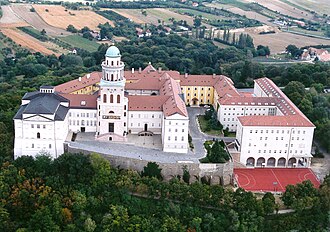
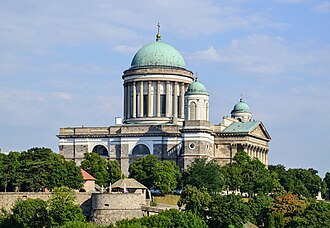
⛪Esztergom Basilica
The largest church in Hungary, seat of the Hungarian Catholic Primate on the Danube.
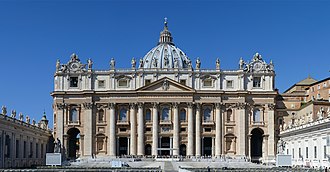
⛪Vatican City (St. Peter's Basilica)
The spiritual center of Roman Catholicism and home of the Pope.
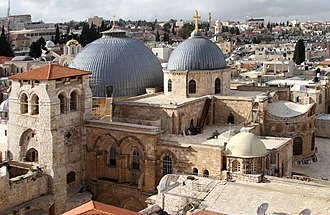
✝️Church of the Holy Sepulchre
The site where Jesus was crucified, buried, and resurrected.