⛪ Esztergom Basilica
Hungary
About This Sacred Site
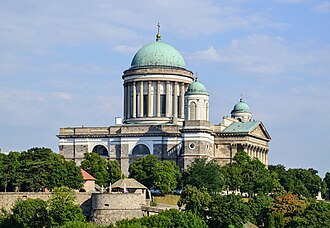
Esztergom Basilica, Hungary's largest church, dominates the skyline with its massive dome and neoclassical façade. Founded on a site sacred since around 1000 AD, the current basilica was completed in 1869 and serves as the primatial church of the Hungarian Catholic Church. Its grand interior houses significant religious relics, including the mummified right hand of Saint Stephen, Hungary's first king, and features monumental frescoes and sculptures. The basilica is a central spiritual hub and an architectural masterpiece symbolizing Hungary's Christian heritage.
History & Origins
Esztergom Basilica, constructed between 1822 and 1869 under the direction of architect Pál Kühnel and later József Hild, stands on a site sacred since around 1000 AD, when King St. Stephen was born and crowned there. The basilica is the largest church in Hungary, featuring a dome that rises 100 meters, making it a dominant landmark along the Danube River. The current neoclassical structure replaced earlier medieval churches destroyed during Ottoman invasions and subsequent conflicts. The basilica's construction was commissioned by Archbishop János Scitovszky, symbolizing the restoration of the Catholic Church's influence after the Ottoman period. Its façade includes statues of Hungarian saints and kings, while the interior houses one of Europe's largest altarpieces, painted by József Ferenc Mészáros, depicting the Assumption of the Blessed Virgin Mary. The basilica also contains the tomb of Saint Adalbert and the treasury holds a significant collection of ecclesiastical artifacts dating back to the 11th century. Restoration efforts in the 20th century preserved its structural integrity and artistic treasures.
Spiritual Significance
As the primatial seat of the Hungarian Catholic Church, the basilica is central to national religious life, hosting major liturgical celebrations such as the Feast of Saint Stephen on August 20th and the Assumption of Mary on August 15th. The basilica is a pilgrimage destination where the Holy Crown of Hungary is occasionally displayed, symbolizing divine kingship and apostolic succession. The liturgy follows the Roman Rite, with special ceremonies involving the archbishop and visiting clergy during important ecclesiastical events. Pilgrims participate in the Stations of the Cross along the basilica's underground crypts, which contain relics of Hungarian saints, reinforcing the connection to national and spiritual heritage. The basilica's organ, one of the largest in Europe, accompanies Gregorian chant and polyphonic masses, reflecting centuries of Catholic musical tradition. The spiritual life here is further enriched by the celebration of Eucharistic adoration and novenas dedicated to the Virgin Mary, emphasizing Marian devotion rooted in Hungarian religious culture.
Key Facts
- •The largest church in Hungary, with a dome rising 100 meters
- •Built on the site where King St. Stephen was born and crowned in the year 1000
- •The altarpiece is one of the largest single-canvas paintings in the world (13.5 × 6.6 meters)
- •The Bakócz Chapel (1507), integrated into the basilica, is a masterpiece of Tuscan Renaissance art
- •Franz Liszt composed the Esztergom Mass (Missa Solennis) for the basilica's consecration in 1856
Location
Coordinates: 47.7954, 18.7183
Frequently Asked Questions
What religion is Esztergom Basilica associated with?▾
Esztergom Basilica is a Christianity holy site located in Hungary. It was established 1869 (site sacred since c. 1000) and is ranked #606 in our global directory of sacred sites.
When was Esztergom Basilica established?▾
Esztergom Basilica dates back to 1869 (site sacred since c. 1000). The largest church in Hungary, with a dome rising 100 meters
How many people visit Esztergom Basilica each year?▾
Esztergom Basilica receives approximately 500,000 visitors per year. Built on the site where King St. Stephen was born and crowned in the year 1000
What is Esztergom Basilica known for?▾
The largest church in Hungary, seat of the Hungarian Catholic Primate on the Danube. Visitors come seeking pilgrimage, blessings, guidance, spiritual enlightenment. The altarpiece is one of the largest single-canvas paintings in the world (13.5 × 6.6 meters)
Related Holy Sites
Sacred places connected by country, religion, and purpose
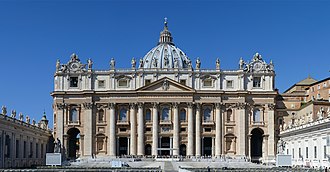
⛪Vatican City (St. Peter's Basilica)
The spiritual center of Roman Catholicism and home of the Pope.
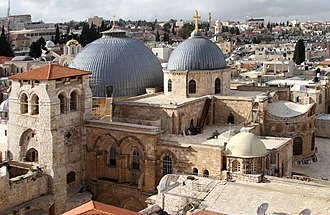
✝️Church of the Holy Sepulchre
The site where Jesus was crucified, buried, and resurrected.