
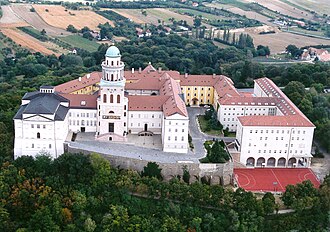
⛪ Pannonhalma Archabbey
Hungary
About This Sacred Site
Pannonhalma Archabbey, established in 996 by Benedictine monks at the behest of Prince Géza, stands as one of Hungary's oldest and most significant monastic sites. Located atop a hill, the abbey complex blends Romanesque, Gothic, and Baroque architectural styles accumulated through centuries of construction and restoration. It serves as a spiritual center, a cultural beacon, and a repository for ancient manuscripts and religious artifacts. The abbey's library and botanical garden attract scholars and visitors, reflecting its enduring religious and educational importance.
History & Origins
Founded in 996 by Prince Géza of Hungary, Pannonhalma Archabbey is one of the oldest continuously active Benedictine monasteries in the world. The abbey was granted royal privileges by King Stephen I, Hungary's first Christian monarch, who established it as a center of Christian learning and culture. The original Romanesque basilica was consecrated in 1001, with subsequent Gothic and Baroque renovations carried out through the 13th to 18th centuries. The abbey founded the first school in Hungary in the early 11th century, fostering education and manuscript production. It survived the Mongol invasion of 1241 and Ottoman occupation, withstanding sieges and rebuilding efforts, particularly under Abbot Alexander in the 18th century who commissioned extensive Baroque refurbishments. The site was declared an archabbey in 1802, elevating its ecclesiastical status. Today, the complex includes a library with over 360,000 volumes, a basilica, monastic living quarters, and guesthouses, protected as a UNESCO World Heritage Site since 1996.
Spiritual Significance
The archabbey remains a vital center for Benedictine monastic life, observing the Rule of Saint Benedict with a daily schedule of liturgical prayer, including the Divine Office recited seven times a day in Latin. It hosts annual celebrations of its founding feast day on December 14th, honoring Saint Benedict, with special masses and processions. Pilgrims visit to venerate relics of Saint Martin of Tours and participate in retreats emphasizing ora et labora (prayer and work). The abbey's school continues the tradition of Catholic education, integrating spiritual formation with academic studies. The monastic community promotes Gregorian chant, preserving ancient musical liturgies. The library's collection includes rare theological manuscripts and early Hungarian translations of scripture, underscoring the abbey's role in disseminating Christian doctrine. The archabbey also organizes ecumenical dialogues and spiritual conferences, reflecting its ongoing commitment to theological scholarship and pastoral outreach.
Key Facts
- •Founded in 996, making it one of the oldest continuously active Benedictine monasteries in the world
- •The first school in Hungary was established here in the early 11th century
- •The abbey library contains over 360,000 volumes including medieval codices
- •Inscribed as a UNESCO World Heritage Site in 1996 on its 1,000th anniversary
- •The monks produce wine, lavender products, and herbal teas sold across Hungary
Location
Coordinates: 47.5494, 17.7633
Frequently Asked Questions
What religion is Pannonhalma Archabbey associated with?▾
Pannonhalma Archabbey is a Christianity holy site located in Hungary. It was established 996 and is ranked #200 in our global directory of sacred sites.
When was Pannonhalma Archabbey established?▾
Pannonhalma Archabbey dates back to 996. Founded in 996, making it one of the oldest continuously active Benedictine monasteries in the world
How many people visit Pannonhalma Archabbey each year?▾
Pannonhalma Archabbey receives approximately 250,000 visitors per year. The first school in Hungary was established here in the early 11th century
What is Pannonhalma Archabbey known for?▾
One of Europe's oldest Benedictine monasteries, continuously active for over 1,000 years on a hilltop in western Hungary. Visitors come seeking spiritual enlightenment, peace, guidance, blessings. The abbey library contains over 360,000 volumes including medieval codices
Related Holy Sites
Sacred places connected by country, religion, and purpose
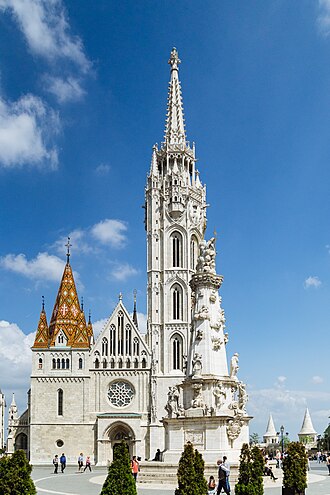
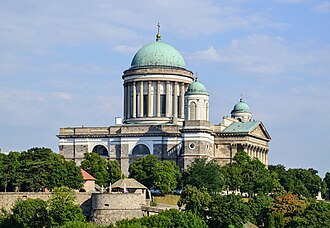
⛪Esztergom Basilica
The largest church in Hungary, seat of the Hungarian Catholic Primate on the Danube.
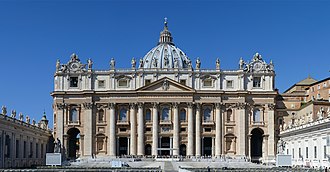
⛪Vatican City (St. Peter's Basilica)
The spiritual center of Roman Catholicism and home of the Pope.
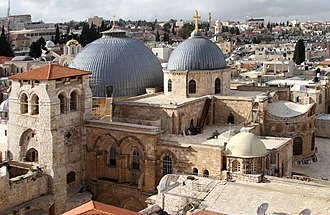
✝️Church of the Holy Sepulchre
The site where Jesus was crucified, buried, and resurrected.
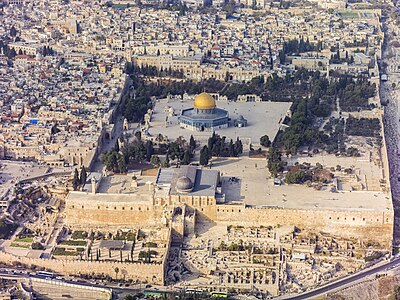
🕌Temple Mount / Al-Aqsa (Jerusalem)
Sacred to Judaism, Christianity, and Islam — the most contested holy site on Earth.
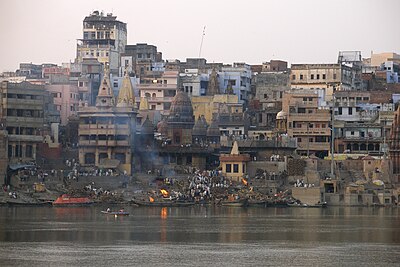
🙏Varanasi (Kashi Vishwanath Temple)
The holiest city in Hinduism, where the Ganges River purifies the soul.

