
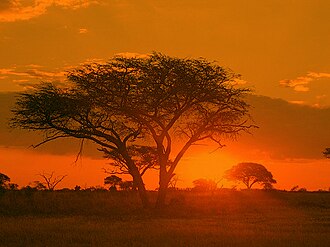
🪨 Matobo Hills
Zimbabwe
About This Sacred Site
The Matobo Hills (Matopos) are a UNESCO World Heritage Site in southern Zimbabwe known for their dramatic granite formations, ancient rock art, and profound spiritual significance. The hills contain some of the densest concentrations of rock art in southern Africa, created by San communities over thousands of years. The Njelele shrine within the hills is one of the most important rain-making and spiritual sites in southern Africa, where the Mwari (God) cult has been practiced for centuries. The site is also the burial place of Cecil Rhodes.
History & Origins
The Matobo Hills have been inhabited since circa 10,000 BCE, as evidenced by over 3,000 rock art sites dating from the Later Stone Age, showcasing paintings predominantly created by the San people. The hills were later significant to the Ndebele kingdom in the 19th century, serving as a stronghold under King Mzilikazi. The area was declared a UNESCO World Heritage Site in 2003 due to its exceptional cultural and natural heritage. The hills' distinctive granite kopjes and balancing rocks have remained largely unchanged, and the site encompasses sacred shrines, including the Njelele shrine, which has been a place of spiritual worship and rainmaking rituals for centuries. British colonial authorities established a national park in the 1920s, preserving the unique landscape and indigenous cultural sites.
Spiritual Significance
Matobo Hills are central to indigenous spiritual practices, particularly those involving the Njelele shrine, where annual rainmaking ceremonies continue under the guidance of traditional leaders. The shrine is believed to be the dwelling of Mwari, the supreme god in many Shona and Ndebele traditions, where prayers for rainfall, health, and prosperity are offered. Pilgrims perform libations and animal sacrifices at rock shelters adorned with ancient San rock paintings, which are considered portals to ancestral spirits. The hills also serve as burial grounds for important figures such as Cecil Rhodes, whose grave is located on Malindidzimu, a sacred hill. The continuity of rituals in the hills reflects a syncretism of indigenous beliefs and Christian influences introduced during colonial times, with elders acting as custodians of oral histories and spiritual knowledge.
Key Facts
- •UNESCO World Heritage Site since 2003
- •Contains over 3,000 rock art sites, one of the densest concentrations in Africa
- •The Njelele shrine is one of southern Africa's most important rain-making sites
- •The Mwari oracular tradition has been practiced here for centuries
- •Cecil Rhodes chose to be buried here, calling it 'View of the World'
Location
Coordinates: -20.5500, 28.5000
Frequently Asked Questions
What religion is Matobo Hills associated with?▾
Matobo Hills is a Indigenous holy site located in Zimbabwe. It was established c. 10,000 BCE (rock art) and is ranked #271 in our global directory of sacred sites.
When was Matobo Hills established?▾
Matobo Hills dates back to c. 10,000 BCE (rock art). UNESCO World Heritage Site since 2003
How many people visit Matobo Hills each year?▾
Matobo Hills receives approximately 50,000+ visitors per year. Contains over 3,000 rock art sites, one of the densest concentrations in Africa
What is Matobo Hills known for?▾
A UNESCO-listed landscape of granite hills with rock art, rain shrines, and deep spiritual significance. Visitors come seeking ancestral connection, healing, spiritual enlightenment, guidance. The Njelele shrine is one of southern Africa's most important rain-making sites
Related Holy Sites
Sacred places connected by country, religion, and purpose
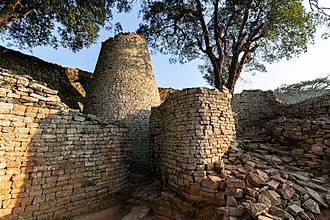
🏛️Great Zimbabwe Ruins
The largest ancient stone structure in sub-Saharan Africa, a sacred Shona kingdom capital.
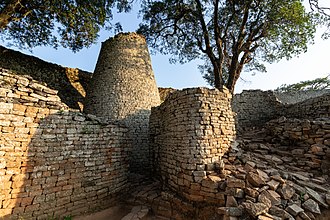
🏛️Great Zimbabwe
The ruins of a medieval stone city and spiritual center of the Shona people, a UNESCO World Heritage Site.
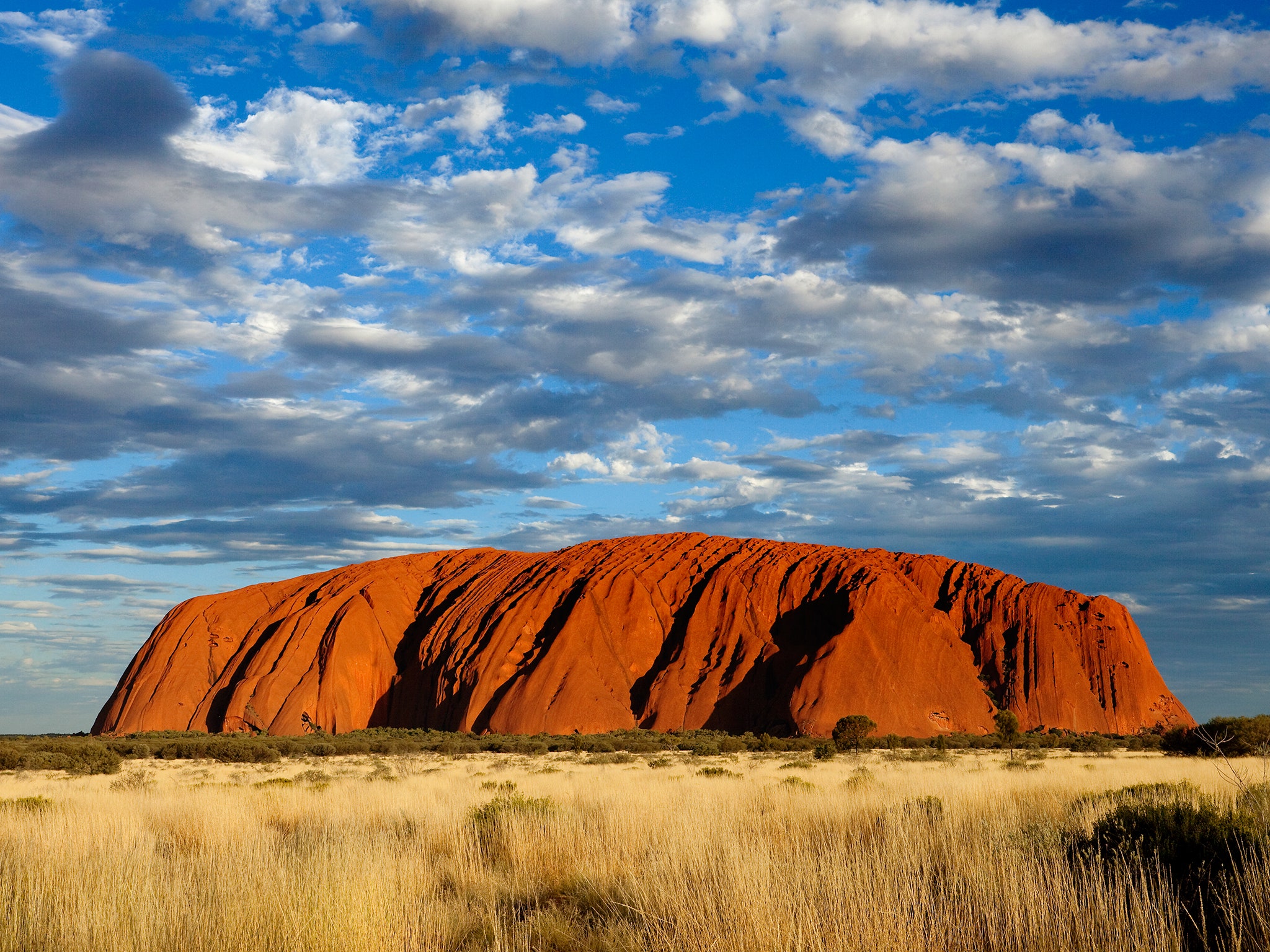
🪨Uluru (Ayers Rock)
A sacred monolith central to Aboriginal Australian creation stories.
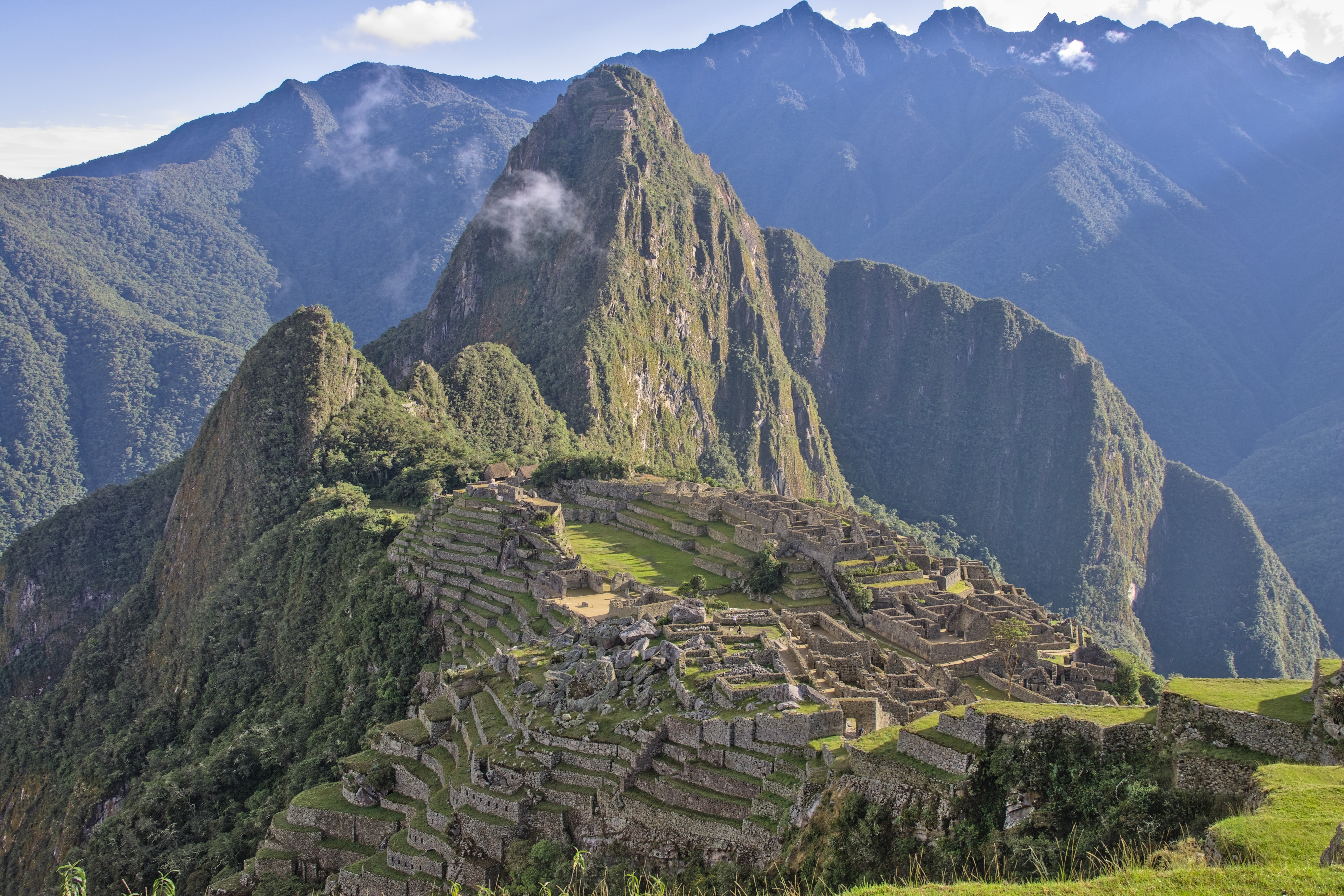
🏔️Machu Picchu
A sacred Inca citadel set high in the Andes, aligned with astronomical events.
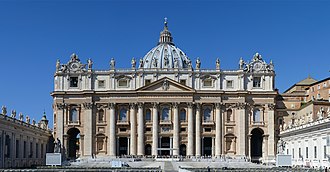
⛪Vatican City (St. Peter's Basilica)
The spiritual center of Roman Catholicism and home of the Pope.
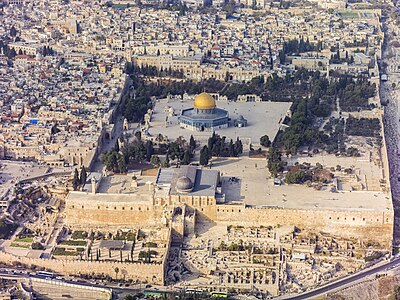
🕌Temple Mount / Al-Aqsa (Jerusalem)
Sacred to Judaism, Christianity, and Islam — the most contested holy site on Earth.

