
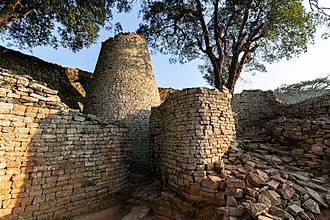
🏛️ Great Zimbabwe Ruins
Zimbabwe
About This Sacred Site
Great Zimbabwe is the remains of a medieval city that was the capital of the Kingdom of Zimbabwe during the country's Late Iron Age. The stone ruins, built between the 11th and 15th centuries without mortar, represent the largest ancient structure in sub-Saharan Africa south of the Sahara. The Great Enclosure and Hill Complex served both political and spiritual functions, with the site deeply connected to Shona religious practices involving ancestral spirits and the Mwari cult. The iconic Zimbabwe Bird carvings found here became the national symbol of modern Zimbabwe.
History & Origins
Great Zimbabwe Ruins were constructed between the 11th and 15th centuries by the ancestral Shona people, with archaeological evidence dating initial settlements to around 1100 CE. The site served as the capital of the Kingdom of Zimbabwe during its peak under rulers such as Mutota and Matope in the 15th century. The stone enclosures, including the Great Enclosure with walls reaching up to 11 meters high, were built without mortar using dry stone techniques, showcasing sophisticated engineering. Excavations in the 20th century revealed numerous artifacts such as soapstone birds, indicating trade links with coastal regions and Asia. After the decline of the kingdom in the late 15th century, the site was abandoned but remained a symbol of local heritage. It was declared a UNESCO World Heritage Site in 1986, recognized for its architectural and historical significance. Recent conservation efforts focus on stabilizing the stone walls and promoting its role as a cultural monument representing indigenous African civilization.
Spiritual Significance
The ruins hold deep spiritual importance for the Shona people, symbolizing ancestral power and continuity. Traditional ceremonies such as the rainmaking ritual known as “Mhondoro” involve invoking the spirits of royal ancestors at the site, believed to influence agricultural fertility. The soapstone birds found on the site are interpreted as messengers between the living and the spiritual realm, featuring prominently in local religious symbolism. Pilgrims visit annually during the “Kurova Guva” festival, a ritual to honor deceased chiefs and seek blessings. The site is intertwined with Shona cosmology, where the stone enclosures represent sacred spaces for communicating with the divine. Oral traditions and spiritual leaders often reference the ruins as a tangible connection to the “Mwari” deity, underscoring the theological importance of the site in indigenous belief systems.
Key Facts
- •UNESCO World Heritage Site and the country's namesake
- •Built between the 11th and 15th centuries without mortar
- •The Great Enclosure's walls are up to 11 meters high
- •Eight soapstone Zimbabwe Bird carvings were found at the site
- •At its peak, the city housed 10,000 to 20,000 inhabitants
Location
Coordinates: -20.2674, 30.9338
Frequently Asked Questions
What religion is Great Zimbabwe Ruins associated with?▾
Great Zimbabwe Ruins is a Indigenous holy site located in Zimbabwe. It was established c. 1100 and is ranked #248 in our global directory of sacred sites.
When was Great Zimbabwe Ruins established?▾
Great Zimbabwe Ruins dates back to c. 1100. UNESCO World Heritage Site and the country's namesake
How many people visit Great Zimbabwe Ruins each year?▾
Great Zimbabwe Ruins receives approximately 150,000 visitors per year. Built between the 11th and 15th centuries without mortar
What is Great Zimbabwe Ruins known for?▾
The largest ancient stone structure in sub-Saharan Africa, a sacred Shona kingdom capital. Visitors come seeking ancestral connection, protection, spiritual enlightenment. The Great Enclosure's walls are up to 11 meters high
Related Holy Sites
Sacred places connected by country, religion, and purpose
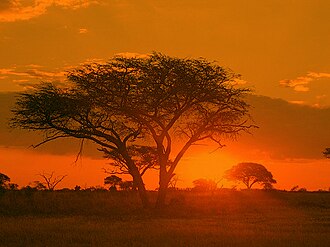
🪨Matobo Hills
A UNESCO-listed landscape of granite hills with rock art, rain shrines, and deep spiritual significance.
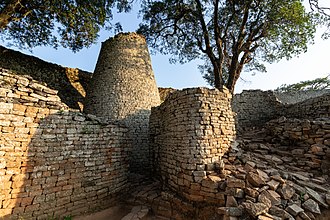
🏛️Great Zimbabwe
The ruins of a medieval stone city and spiritual center of the Shona people, a UNESCO World Heritage Site.
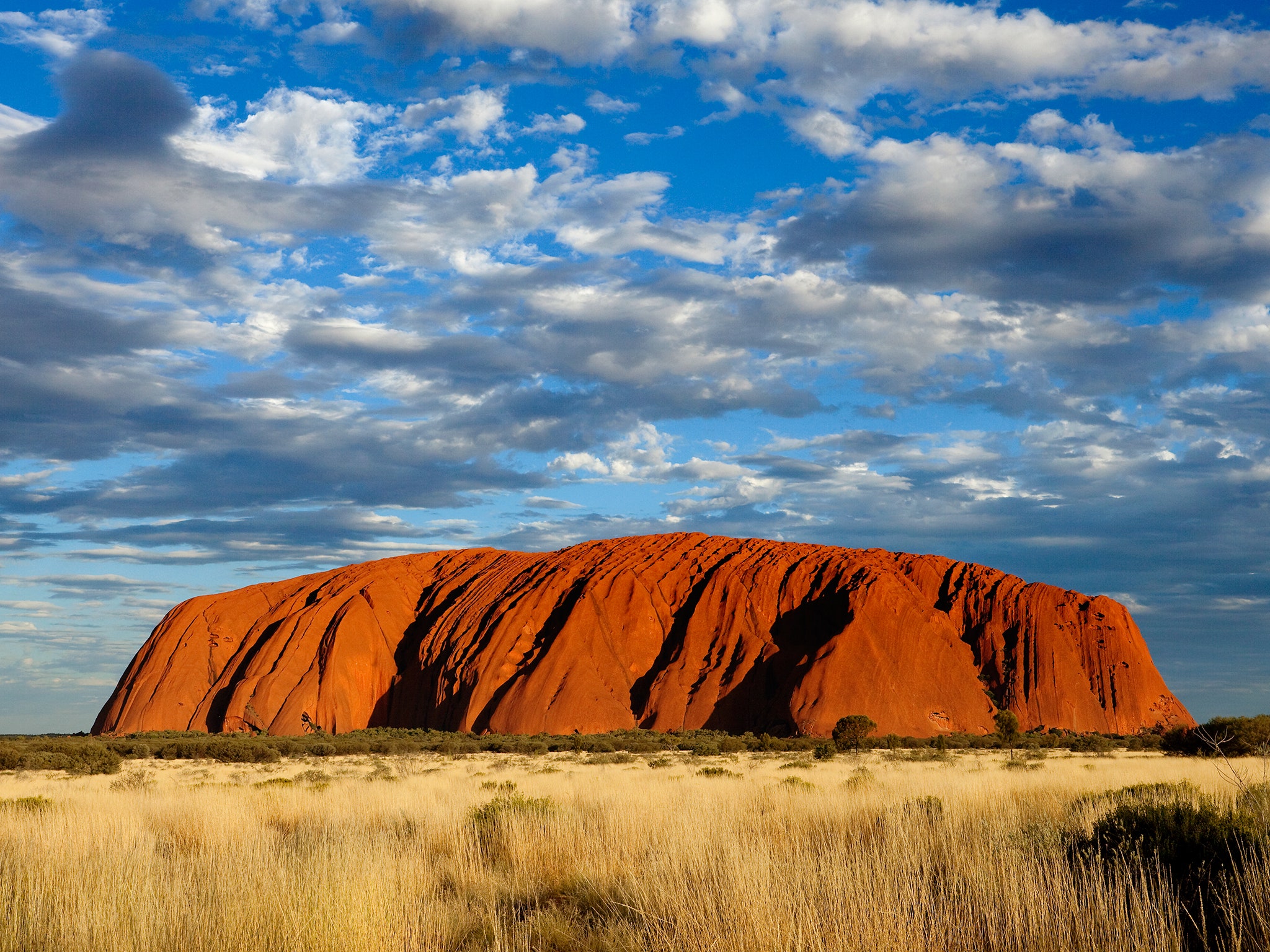
🪨Uluru (Ayers Rock)
A sacred monolith central to Aboriginal Australian creation stories.
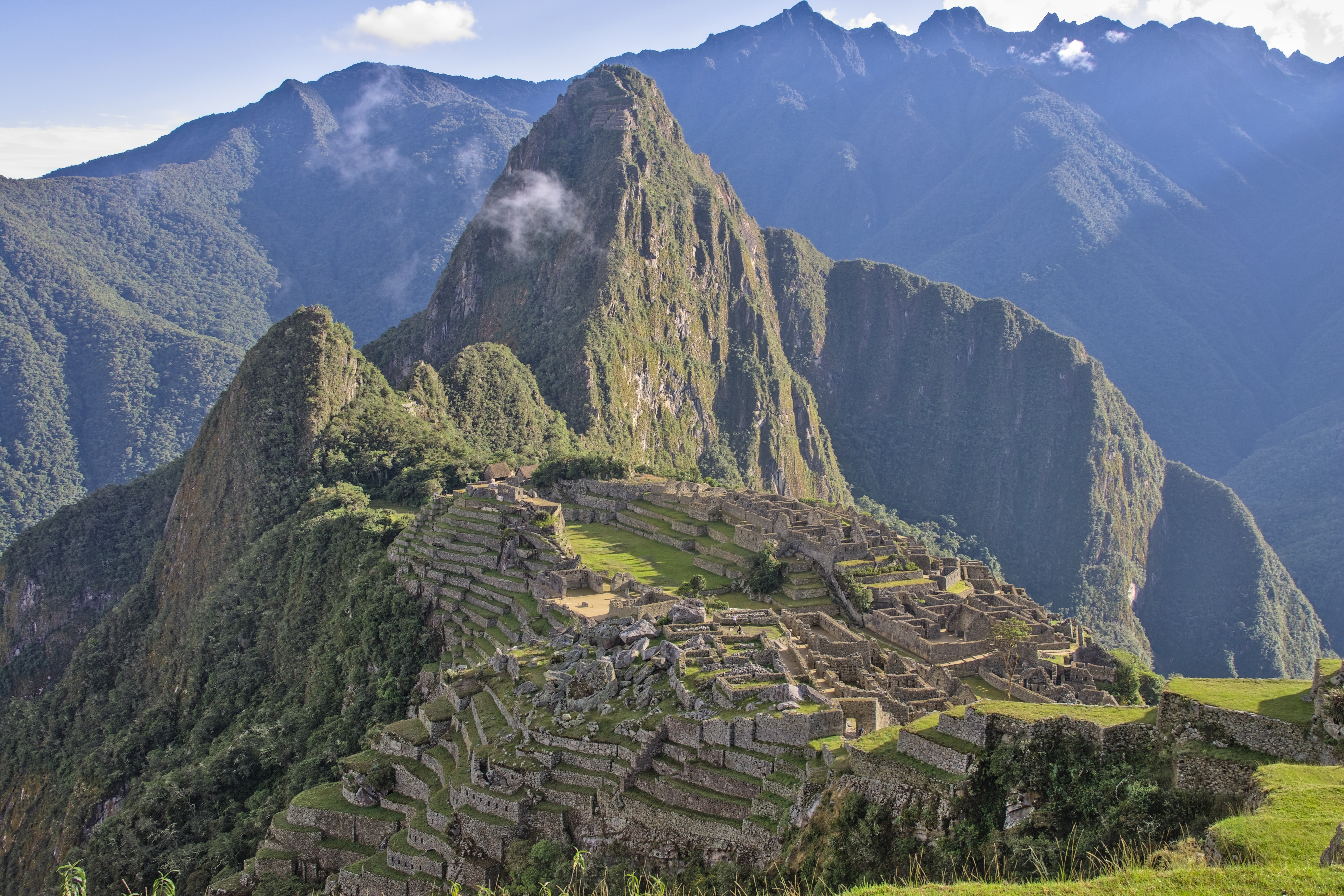
🏔️Machu Picchu
A sacred Inca citadel set high in the Andes, aligned with astronomical events.
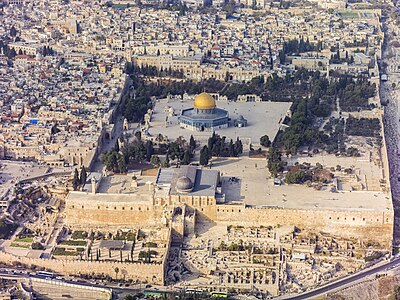
🕌Temple Mount / Al-Aqsa (Jerusalem)
Sacred to Judaism, Christianity, and Islam — the most contested holy site on Earth.
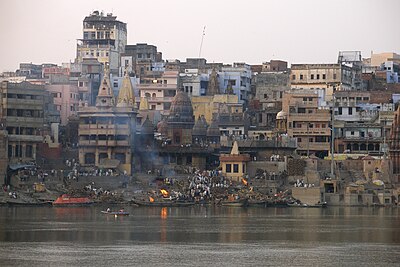
🙏Varanasi (Kashi Vishwanath Temple)
The holiest city in Hinduism, where the Ganges River purifies the soul.

