
🏛️ Great Zimbabwe
Zimbabwe
About This Sacred Site
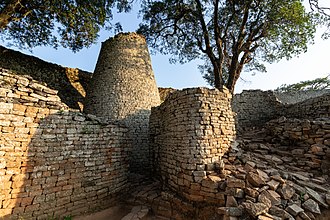
Great Zimbabwe is the largest medieval stone structure in sub-Saharan Africa and a UNESCO World Heritage Site. Built between the 11th and 15th centuries by the ancestors of the Shona people, the city was a political, economic, and spiritual center. The Great Enclosure, Hill Complex, and Valley Ruins contain sacred spaces where spiritual leaders communicated with ancestral spirits (mhondoro). The site gave its name to the modern nation of Zimbabwe and remains profoundly sacred to the Shona people.
History & Origins
Great Zimbabwe was constructed by the ancestors of the Shona people between the 11th and 15th centuries, with archaeological evidence dating initial construction to circa 1100 CE. The complex, comprising the Hill Complex, the Great Enclosure, and the Valley Ruins, was the capital of the Kingdom of Zimbabwe during the Late Iron Age. The stone structures, built without mortar, use granite blocks precisely fitted together, showcasing advanced masonry techniques of the period. The city flourished as a center for trade, connecting inland Africa with coastal trading networks, exporting gold and ivory by the 13th century. The site was abandoned in the 15th century due to political and environmental changes. Rediscovered in the late 19th century, it was designated a UNESCO World Heritage Site in 1986, recognizing its historical significance as the largest ancient stone structure in sub-Saharan Africa.
Spiritual Significance
Great Zimbabwe holds profound spiritual significance for the Shona people, who regard it as the seat of their ancestors' power and spiritual authority. The site includes the sacred "Conical Tower," believed to symbolize the royal authority and connection to the spiritual world. Rituals performed at the site historically included offerings to ancestral spirits, guided by traditional priests known as "svikiro," who mediated between the living community and the spirit realm. The annual rainmaking ceremonies, conducted near the ruins, invoke Mwari, the supreme deity in Shona cosmology, to ensure agricultural fertility. Pilgrims from surrounding regions visit the site to pay homage and seek blessings, particularly during the mbira music festivals, which are integral to spiritual communication. The Zimbabwean government and local communities continue to preserve the site as a symbol of cultural identity and spiritual heritage.
Key Facts
- •UNESCO World Heritage Site since 1986
- •The largest ancient stone structure in sub-Saharan Africa
- •Built by the ancestors of the Shona people between the 11th and 15th centuries
- •The Great Enclosure's walls are up to 11 meters high and 5 meters thick
- •The famous Zimbabwe Birds carved in soapstone are symbols of the nation
Location
Coordinates: -20.2667, 30.9333
Frequently Asked Questions
What religion is Great Zimbabwe associated with?▾
Great Zimbabwe is a Indigenous holy site located in Zimbabwe. It was established c. 1100 CE and is ranked #272 in our global directory of sacred sites.
When was Great Zimbabwe established?▾
Great Zimbabwe dates back to c. 1100 CE. UNESCO World Heritage Site since 1986
How many people visit Great Zimbabwe each year?▾
Great Zimbabwe receives approximately 100,000+ visitors per year. The largest ancient stone structure in sub-Saharan Africa
What is Great Zimbabwe known for?▾
The ruins of a medieval stone city and spiritual center of the Shona people, a UNESCO World Heritage Site. Visitors come seeking ancestral connection, spiritual enlightenment, protection, guidance. Built by the ancestors of the Shona people between the 11th and 15th centuries
Related Holy Sites
Sacred places connected by country, religion, and purpose
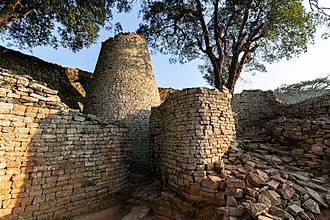
🏛️Great Zimbabwe Ruins
The largest ancient stone structure in sub-Saharan Africa, a sacred Shona kingdom capital.
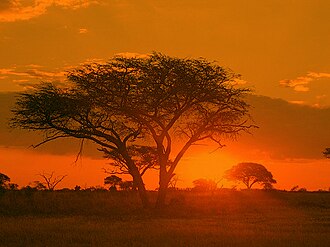
🪨Matobo Hills
A UNESCO-listed landscape of granite hills with rock art, rain shrines, and deep spiritual significance.
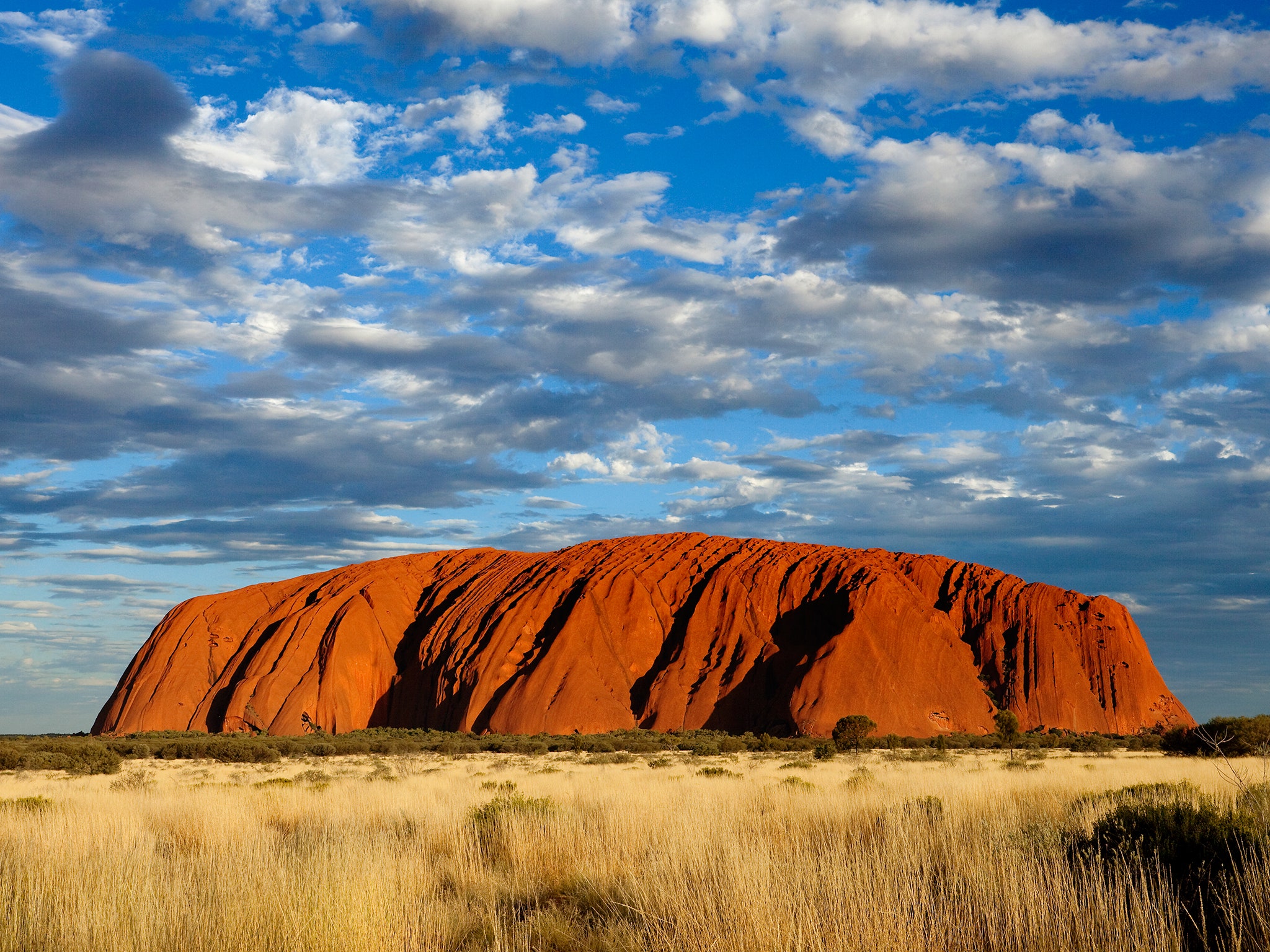
🪨Uluru (Ayers Rock)
A sacred monolith central to Aboriginal Australian creation stories.
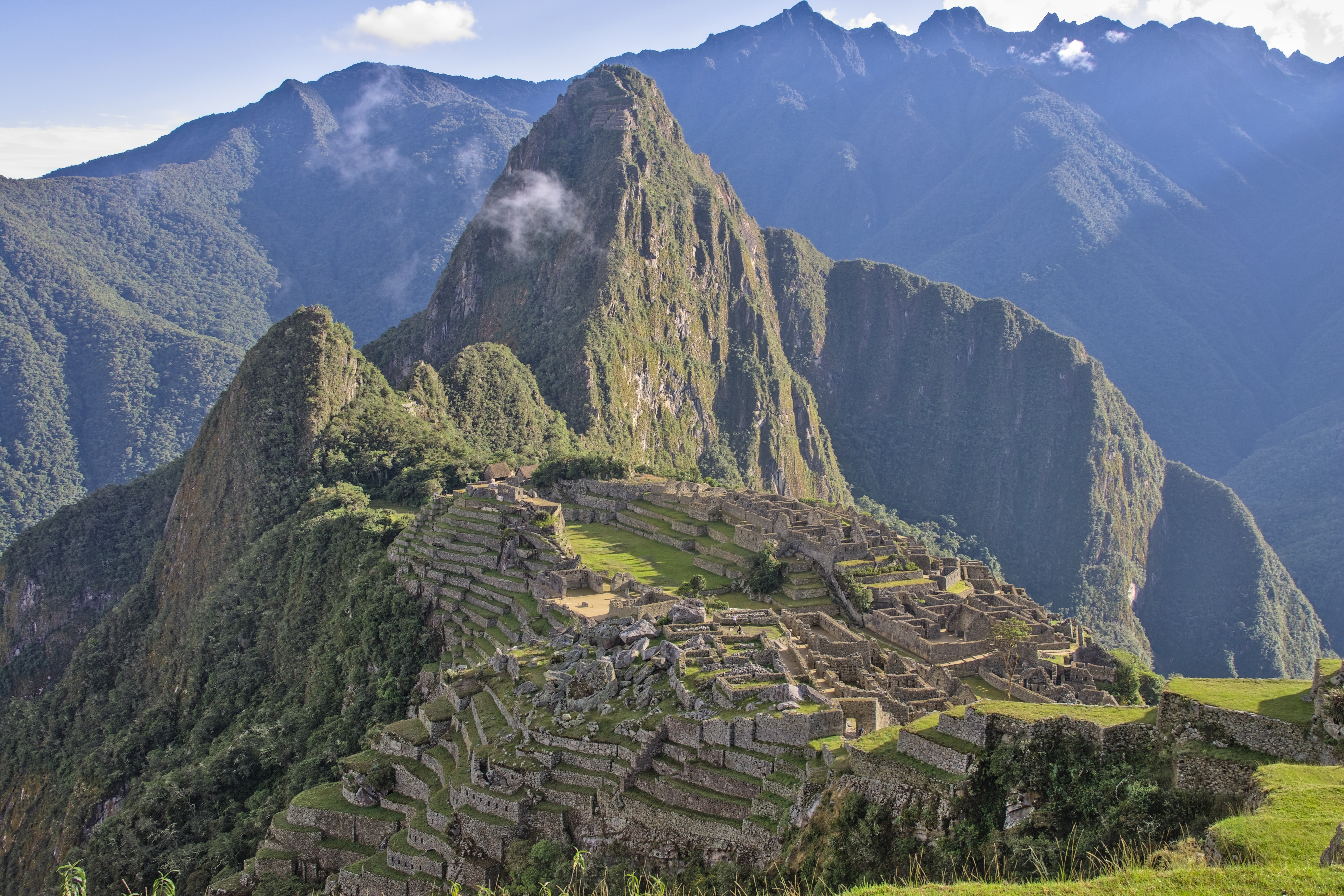
🏔️Machu Picchu
A sacred Inca citadel set high in the Andes, aligned with astronomical events.

⛪Vatican City (St. Peter's Basilica)
The spiritual center of Roman Catholicism and home of the Pope.

🕌Temple Mount / Al-Aqsa (Jerusalem)
Sacred to Judaism, Christianity, and Islam — the most contested holy site on Earth.

