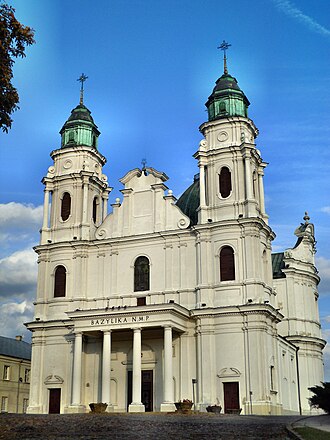
⛪ Basilica of the Birth of the Virgin Mary (Mariazell)
Austria
About This Sacred Site
The Basilica of the Birth of the Virgin Mary in Mariazell, founded in 1157, is Austria’s foremost Marian pilgrimage site nestled in the Styrian Alps. It houses the revered statue of the Virgin Mary, credited with numerous miracles, attracting pilgrims from across Central Europe. The basilica’s architecture combines Gothic and Baroque elements, with a striking copper roof and an impressive interior featuring the baroque high altar. Mariazell has played a vital role in Austrian Catholic identity and remains a focal point for religious festivals and pilgrimages.
Spiritual Significance
The basilica's spiritual importance centers on the veneration of the Magna Mater Austriae, a small wooden Madonna statue believed to have miraculous origins dating back to 1157. Each year, the Feast of the Nativity of Mary on September 8 attracts tens of thousands of pilgrims who participate in candlelit processions through the town, reflecting a tradition established in the Middle Ages. Devotees often perform the ritual of touching or kissing the statue's hand, seen as an intercessory act rooted in Marian doctrines articulated in the Council of Ephesus (431 CE). The basilica also hosts the annual Mariazell Pilgrimage, where pilgrims from Austria, Hungary, Slovakia, and the Czech Republic converge, demonstrating its role as a unifying Marian shrine in Central Europe. The site’s liturgical calendar incorporates the recitation of the Rosary and the singing of Marian hymns such as the "Salve Regina," emphasizing the theological role of Mary as Mother of God and Queen of Heaven.
Key Facts
- •Founded in 1157 around a small wooden Madonna statue — the Magna Mater Austriae
- •Central Europe's most visited Marian pilgrimage site, drawing pilgrims from multiple countries
- •The present Baroque basilica was redesigned by Fischer von Erlach in the late 17th century
- •Pope John Paul II visited in 1983 and called Mariazell the 'heart of Austria'
- •A 160-km pilgrimage trail connects Vienna to Mariazell through the Alps
Location
Coordinates: 47.7733, 15.3161
Frequently Asked Questions
What religion is Basilica of the Birth of the Virgin Mary (Mariazell) associated with?▾
Basilica of the Birth of the Virgin Mary (Mariazell) is a Christianity holy site located in Austria. It was established 1157 and is ranked #545 in our global directory of sacred sites.
When was Basilica of the Birth of the Virgin Mary (Mariazell) established?▾
Basilica of the Birth of the Virgin Mary (Mariazell) dates back to 1157. Founded in 1157 around a small wooden Madonna statue — the Magna Mater Austriae
How many people visit Basilica of the Birth of the Virgin Mary (Mariazell) each year?▾
Basilica of the Birth of the Virgin Mary (Mariazell) receives approximately 1 million visitors per year. Central Europe's most visited Marian pilgrimage site, drawing pilgrims from multiple countries
What is Basilica of the Birth of the Virgin Mary (Mariazell) known for?▾
Austria's most important pilgrimage destination, venerating a miraculous wooden Madonna. Visitors come seeking healing, miracles, pilgrimage, blessings. The present Baroque basilica was redesigned by Fischer von Erlach in the late 17th century
Related Holy Sites
Sacred places connected by country, religion, and purpose
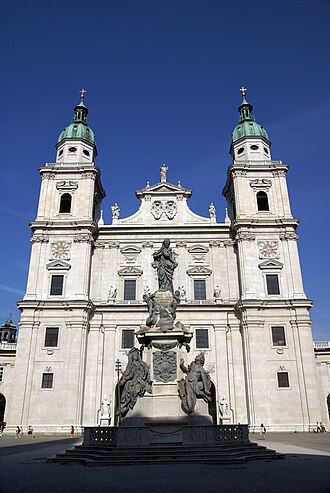
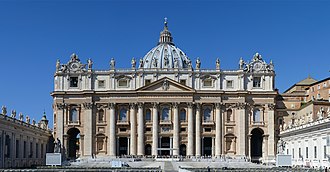
⛪Vatican City (St. Peter's Basilica)
The spiritual center of Roman Catholicism and home of the Pope.
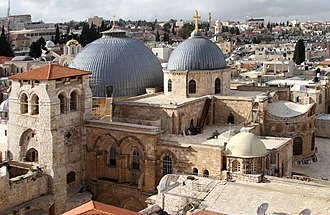
✝️Church of the Holy Sepulchre
The site where Jesus was crucified, buried, and resurrected.