⛪ Cathedral of Our Lady of the Immaculate Conception (Maputo)
Mozambique
About This Sacred Site
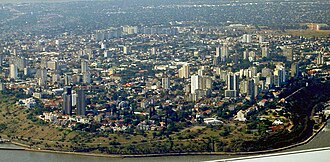
The Cathedral of Our Lady of the Immaculate Conception in Maputo, Mozambique’s capital, was completed in 1944 and stands as the city’s principal Catholic church. Designed in a modernist style with whitewashed walls and a bell tower, the cathedral reflects Portuguese colonial architectural influences. It serves as a central place of worship for the Catholic community and hosts significant religious events. The cathedral’s prominent location and distinctive architecture make it a notable landmark representing the enduring presence of Christianity in Mozambique.
Spiritual Significance
Completed in 1944, the Cathedral of Our Lady of the Immaculate Conception in Maputo is the principal Roman Catholic church in Mozambique's capital and serves as the seat of the Archdiocese of Maputo. Its twin bell towers rise approximately 40 meters, constructed from white limestone imported from Portugal, embodying Neo-Romanesque architectural style. The cathedral hosts the annual Feast of the Immaculate Conception on December 8th, drawing thousands for solemn Masses led by the Archbishop and accompanied by traditional liturgical music including Mozambican hymns. The site is integral to the observance of Holy Week, where processions commence at the cathedral and wind through central Maputo, reinforcing community devotion. The cathedral's interior houses relics of Saint Anthony of Padua, a major figure in local Catholic devotion. Pilgrims often engage in the sacrament of reconciliation here, reflecting the church’s role as a spiritual anchor in Mozambique's Catholic community since its consecration during Portuguese colonial administration.
Key Facts
- •Completed in 1944, the principal Catholic church in Mozambique's capital
- •Features distinctive twin bell towers and white limestone construction
- •Served as a spiritual anchor through independence and civil war
- •Catholicism in Mozambique dates to the arrival of the Portuguese in 1498
- •The cathedral hosts major national Catholic celebrations and events
Location
Coordinates: -25.9653, 32.5692
Frequently Asked Questions
What religion is Cathedral of Our Lady of the Immaculate Conception (Maputo) associated with?▾
Cathedral of Our Lady of the Immaculate Conception (Maputo) is a Christianity holy site located in Mozambique. It was established 1944 and is ranked #904 in our global directory of sacred sites.
When was Cathedral of Our Lady of the Immaculate Conception (Maputo) established?▾
Cathedral of Our Lady of the Immaculate Conception (Maputo) dates back to 1944. Completed in 1944, the principal Catholic church in Mozambique's capital
How many people visit Cathedral of Our Lady of the Immaculate Conception (Maputo) each year?▾
Cathedral of Our Lady of the Immaculate Conception (Maputo) receives approximately 100,000+ visitors per year. Features distinctive twin bell towers and white limestone construction
What is Cathedral of Our Lady of the Immaculate Conception (Maputo) known for?▾
The main Catholic cathedral in Mozambique's capital, a center of faith through colonial and civil war eras. Visitors come seeking blessings, peace, healing, forgiveness. Served as a spiritual anchor through independence and civil war
Related Holy Sites
Sacred places connected by country, religion, and purpose
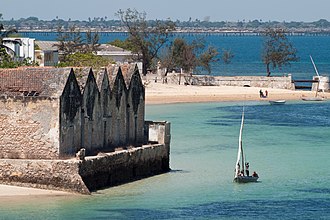
🕌Island of Mozambique Mosques
A UNESCO-listed island with some of the oldest mosques in southern Africa, reflecting Swahili Islamic heritage.
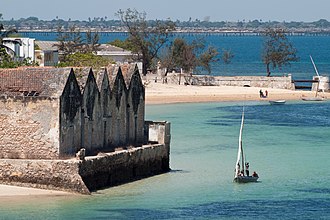
🕌Ilha de Moçambique Mosques
Historic mosques on the Island of Mozambique dating to the Swahili trading era.
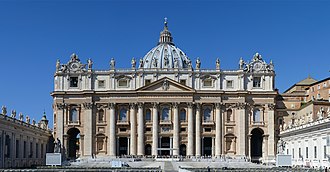
⛪Vatican City (St. Peter's Basilica)
The spiritual center of Roman Catholicism and home of the Pope.
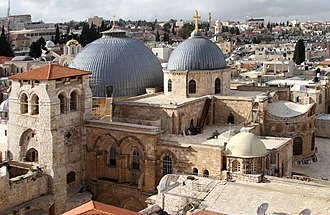
✝️Church of the Holy Sepulchre
The site where Jesus was crucified, buried, and resurrected.