🕌 Island of Mozambique Mosques
Mozambique
About This Sacred Site
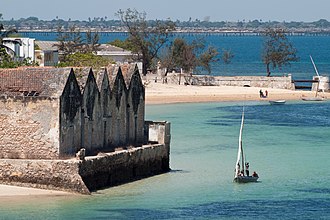
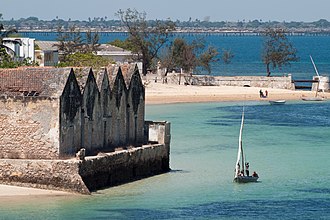
The Island of Mozambique is a UNESCO World Heritage Site and one of the oldest continuously inhabited settlements in southern Africa. The island contains some of the oldest mosques in the region, reflecting over 1,000 years of Swahili-Islamic culture. The mosques, including the Missale mosque, date from the 15th century and served the island's multi-ethnic Muslim community of Swahili, Arab, Indian, and Makua peoples. The island was also the original capital of Portuguese East Africa, creating a unique blend of Islamic and Catholic heritage.
History & Origins
The Island of Mozambique, a UNESCO World Heritage Site, has been inhabited since at least the 10th century CE and developed into a vital trading post linking African, Arab, and later European merchants. Its mosques, some dating back to the 14th century, illustrate the early spread of Islam along the East African coast. The island became the capital of Portuguese East Africa in the 16th century, blending Islamic, African, and European cultural influences. Over centuries, its mosques have undergone restorations preserving their distinctive coral stone architecture, symbolizing the island’s role as a historic religious and commercial crossroads.
Spiritual Significance
The Island of Mozambique, designated a UNESCO World Heritage Site in 1991, holds significant Islamic heritage dating back to the 10th century CE. Its mosques, some constructed in the 15th century, such as the iconic Mosque of the Portuguese Fort, serve as active centers for worship following the Maliki school of Sunni Islam. The island hosts the annual Mawlid festival celebrating the Prophet Muhammad's birth, attracting pilgrims from across Mozambique and East Africa who engage in Quranic recitations and Sufi devotional practices. Traditional Islamic education persists in madrassas attached to the mosques, preserving classical Arabic texts and local Swahili religious poetry. The island's spiritual landscape reflects a blend of African and Arab influences, with the mosque architecture featuring coral stone and lime plaster, symbolizing the community's long-standing maritime trade connections. Pilgrims often perform ritual ablutions in the Indian Ocean before prayers, underscoring the site's coastal spiritual identity.
Key Facts
- •UNESCO World Heritage Site since 1991
- •One of the oldest continuously inhabited settlements in southern Africa
- •Contains mosques dating to the 15th century
- •The island served as the capital of Portuguese East Africa until 1898
- •A unique blend of Swahili, Arab, Indian, Portuguese, and Makua cultures
Location
Coordinates: -15.0361, 40.7350
Frequently Asked Questions
What religion is Island of Mozambique Mosques associated with?▾
Island of Mozambique Mosques is a Islam holy site located in Mozambique. It was established c. 1000s CE and is ranked #350 in our global directory of sacred sites.
When was Island of Mozambique Mosques established?▾
Island of Mozambique Mosques dates back to c. 1000s CE. UNESCO World Heritage Site since 1991
How many people visit Island of Mozambique Mosques each year?▾
Island of Mozambique Mosques receives approximately 30,000+ visitors per year. One of the oldest continuously inhabited settlements in southern Africa
What is Island of Mozambique Mosques known for?▾
A UNESCO-listed island with some of the oldest mosques in southern Africa, reflecting Swahili Islamic heritage. Visitors come seeking pilgrimage, ancestral connection, peace, blessings. Contains mosques dating to the 15th century
Related Holy Sites
Sacred places connected by country, religion, and purpose