🕌 Ilha de Moçambique Mosques
Mozambique
About This Sacred Site
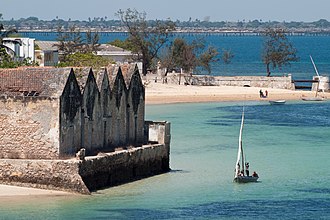
The mosques of Ilha de Moçambique bear witness to over a thousand years of Islamic presence along the East African coast. The island's Muslim community, descended from Arab and Swahili traders, has maintained a continuous tradition of worship since at least the 10th century. Several historic mosques dot the island, reflecting architectural influences from the Arabian Peninsula, the Swahili coast, and the Indian subcontinent. These mosques serve as active centers of Islamic life, hosting daily prayers, Quranic education, and celebrations of Islamic festivals that blend Arab and African cultural elements.
History & Origins
Islamic presence on Ilha de Moçambique dates back to the 10th century, established through early Arab traders who settled on the island. The oldest mosques, such as the Mosque of Nossa Senhora de Baluarte, reflect architectural influences from Arab, Swahili, and Indian Ocean cultures. Portuguese colonial records from the 16th century document the coexistence of Muslim communities alongside Christian settlers, with mosque renovations occurring through the 18th and 19th centuries to accommodate growing congregations. The island served as a critical trading hub linking East Africa, Arabia, and India, which influenced the mosques' design and religious practices. In 1991, Ilha de Moçambique was designated a UNESCO World Heritage Site, recognizing its unique cultural fusion and historical significance. Restoration projects in the 21st century have focused on preserving the intricately carved wooden minbars and coral stone structures integral to the mosques' heritage.
Spiritual Significance
The mosques on Ilha de Moçambique function as central places of worship for the local Muslim community, who observe traditional Islamic rituals such as the five daily prayers (Salat) and communal Friday Jumu'ah services. The island hosts annual Mawlid celebrations commemorating the Prophet Muhammad's birth, attracting pilgrims from across Mozambique and neighboring countries. The mosques' architectural elements, including mihrabs oriented towards Mecca, reflect adherence to Islamic jurisprudence and foster a shared spiritual identity among congregants. Sufi brotherhoods have historically influenced local practices, emphasizing dhikr (remembrance of God) ceremonies within mosque courtyards. The integration of Arab and Swahili religious customs is evident in Quranic recitations and teachings led by local imams, reinforcing the mosques as centers for Islamic education and spiritual guidance since the 10th century.
Key Facts
- •Islamic presence on the island dates back to the 10th century
- •Multiple historic mosques serve the island's Muslim community
- •Architectural styles reflect Arab, Swahili, and Indian influences
- •The Muslim community maintained worship throughout Portuguese colonial rule
- •Islamic festivals on the island blend Arab and African traditions
Location
Coordinates: -15.0350, 40.7361
Frequently Asked Questions
What religion is Ilha de Moçambique Mosques associated with?▾
Ilha de Moçambique Mosques is a Islam holy site located in Mozambique. It was established c. 10th century and is ranked #646 in our global directory of sacred sites.
When was Ilha de Moçambique Mosques established?▾
Ilha de Moçambique Mosques dates back to c. 10th century. Islamic presence on the island dates back to the 10th century
How many people visit Ilha de Moçambique Mosques each year?▾
Ilha de Moçambique Mosques receives approximately 30,000 visitors per year. Multiple historic mosques serve the island's Muslim community
What is Ilha de Moçambique Mosques known for?▾
Historic mosques on the Island of Mozambique dating to the Swahili trading era. Visitors come seeking pilgrimage, guidance, peace. Architectural styles reflect Arab, Swahili, and Indian influences
Related Holy Sites
Sacred places connected by country, religion, and purpose
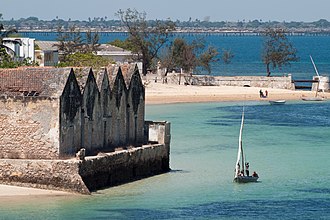
🕌Island of Mozambique Mosques
A UNESCO-listed island with some of the oldest mosques in southern Africa, reflecting Swahili Islamic heritage.