
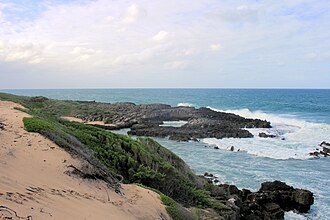
🏛️ Manyikeni (Great Zimbabwe Extension)
Mozambique
About This Sacred Site
Manyikeni is an archaeological site in Inhambane Province, Mozambique, closely related to the Great Zimbabwe tradition. The site features stone-walled enclosures, cattle kraals, and ritual spaces that served a Shona-related community between the 12th and 17th centuries. The settlement was linked to Indian Ocean trade and the Zimbabwe culture, with sacred spaces used for ancestral ceremonies and rain-making rituals. It demonstrates the extent of the Great Zimbabwe spiritual and political network into present-day Mozambique.
History & Origins
Manyikeni, located in Mozambique's Gaza Province, is an archaeological site linked to the Great Zimbabwe tradition, established around the 12th century CE and occupied until approximately the 17th century. Excavations reveal stone-walled enclosures built from granite blocks without mortar, resembling the architectural style of Great Zimbabwe, suggesting political and cultural connections between the two centers. The site includes cattle kraals and ritual spaces, indicating a socio-economic system based on cattle herding and spiritual ceremonies. Portuguese explorers first documented Manyikeni ruins in the 19th century, but systematic archaeological investigations began in the 1960s. Manyikeni's stone walls reach up to 3 meters in height and enclose an area covering several hectares, reflecting a complex settlement. Its decline around the 17th century is attributed to changing trade routes and internal social shifts. The site remains a critical link in understanding the spread of Shona culture and state formation in southeastern Africa.
Spiritual Significance
Manyikeni's stone enclosures are believed to have served ritualistic purposes, functioning as sacred precincts where local priest-kings conducted ceremonies invoking ancestral spirits to ensure community prosperity. Oral traditions among the Ndau people maintain that Manyikeni was a center for rainmaking rituals, involving offerings of cattle and grain to deities associated with fertility and land. The presence of ritual spaces within the stone compounds aligns with practices documented in Shona spiritual doctrine, including the veneration of the Mwari spirit through mediums during seasonal festivals. Pilgrimages to the site continue among local communities who perform libations and invoke blessings for agricultural success. Archaeological findings of ritual objects such as pottery and figurines corroborate these spiritual functions, situating Manyikeni as a focal point of indigenous religious life linked to broader Great Zimbabwe cultural patterns.
Key Facts
- •Related to the Great Zimbabwe archaeological tradition
- •Occupied from approximately the 12th to the 17th century
- •Contains stone-walled enclosures, cattle kraals, and ritual spaces
- •Linked to Indian Ocean trade through the port of Vilankulo
- •Evidence of rain-making rituals and ancestral ceremonies found at the site
Location
Coordinates: -21.0167, 34.1000
Frequently Asked Questions
What religion is Manyikeni (Great Zimbabwe Extension) associated with?▾
Manyikeni (Great Zimbabwe Extension) is a Indigenous holy site located in Mozambique. It was established c. 1100s CE and is ranked #966 in our global directory of sacred sites.
When was Manyikeni (Great Zimbabwe Extension) established?▾
Manyikeni (Great Zimbabwe Extension) dates back to c. 1100s CE. Related to the Great Zimbabwe archaeological tradition
How many people visit Manyikeni (Great Zimbabwe Extension) each year?▾
Manyikeni (Great Zimbabwe Extension) receives approximately 5,000+ visitors per year. Occupied from approximately the 12th to the 17th century
What is Manyikeni (Great Zimbabwe Extension) known for?▾
A stone-walled settlement related to Great Zimbabwe, with ritual enclosures and ancestral significance. Visitors come seeking ancestral connection, spiritual enlightenment, guidance, protection. Contains stone-walled enclosures, cattle kraals, and ritual spaces
Related Holy Sites
Sacred places connected by country, religion, and purpose
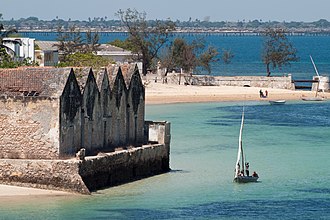
🕌Island of Mozambique Mosques
A UNESCO-listed island with some of the oldest mosques in southern Africa, reflecting Swahili Islamic heritage.
🕌Ilha de Moçambique Mosques
Historic mosques on the Island of Mozambique dating to the Swahili trading era.
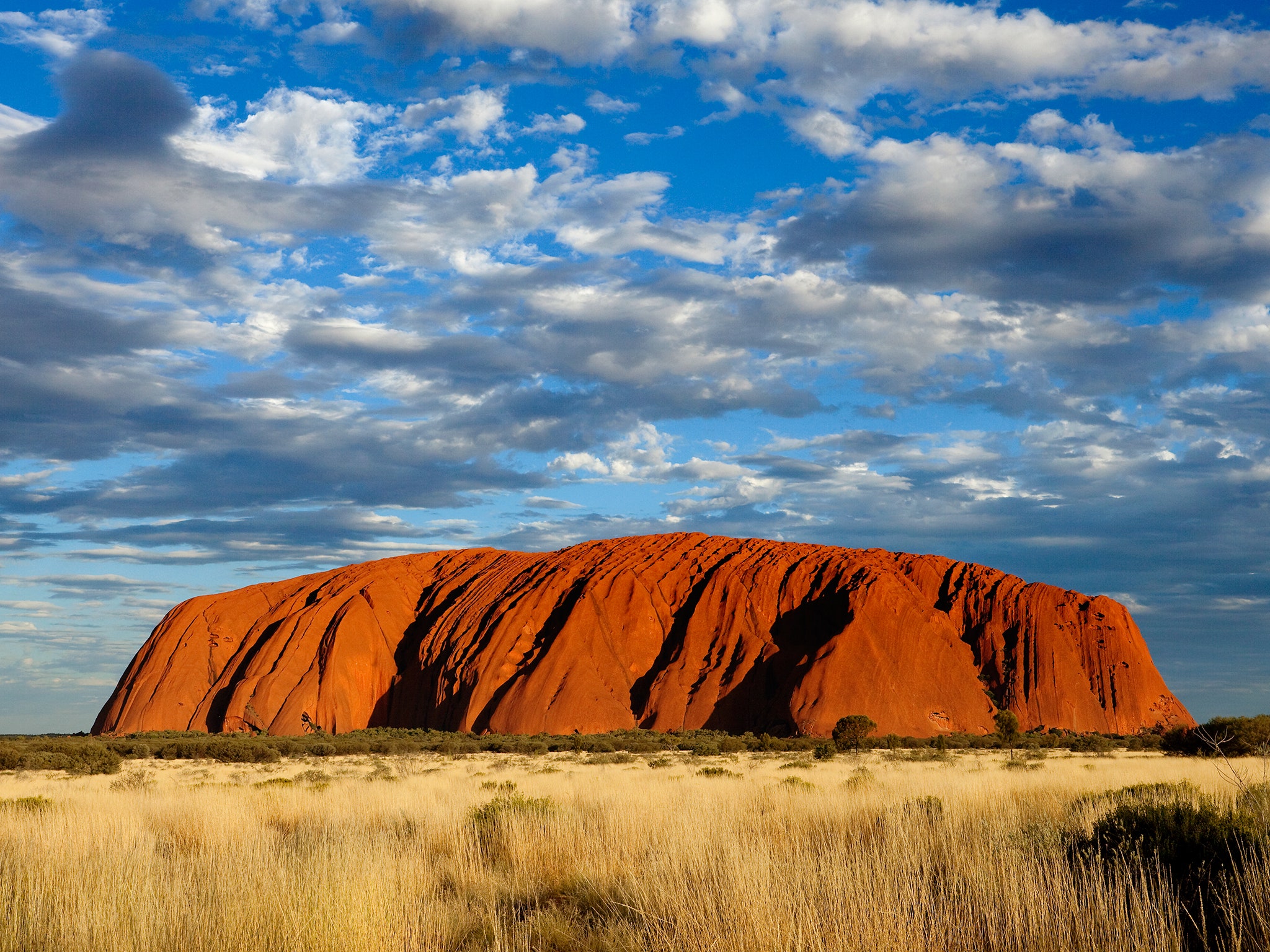
🪨Uluru (Ayers Rock)
A sacred monolith central to Aboriginal Australian creation stories.
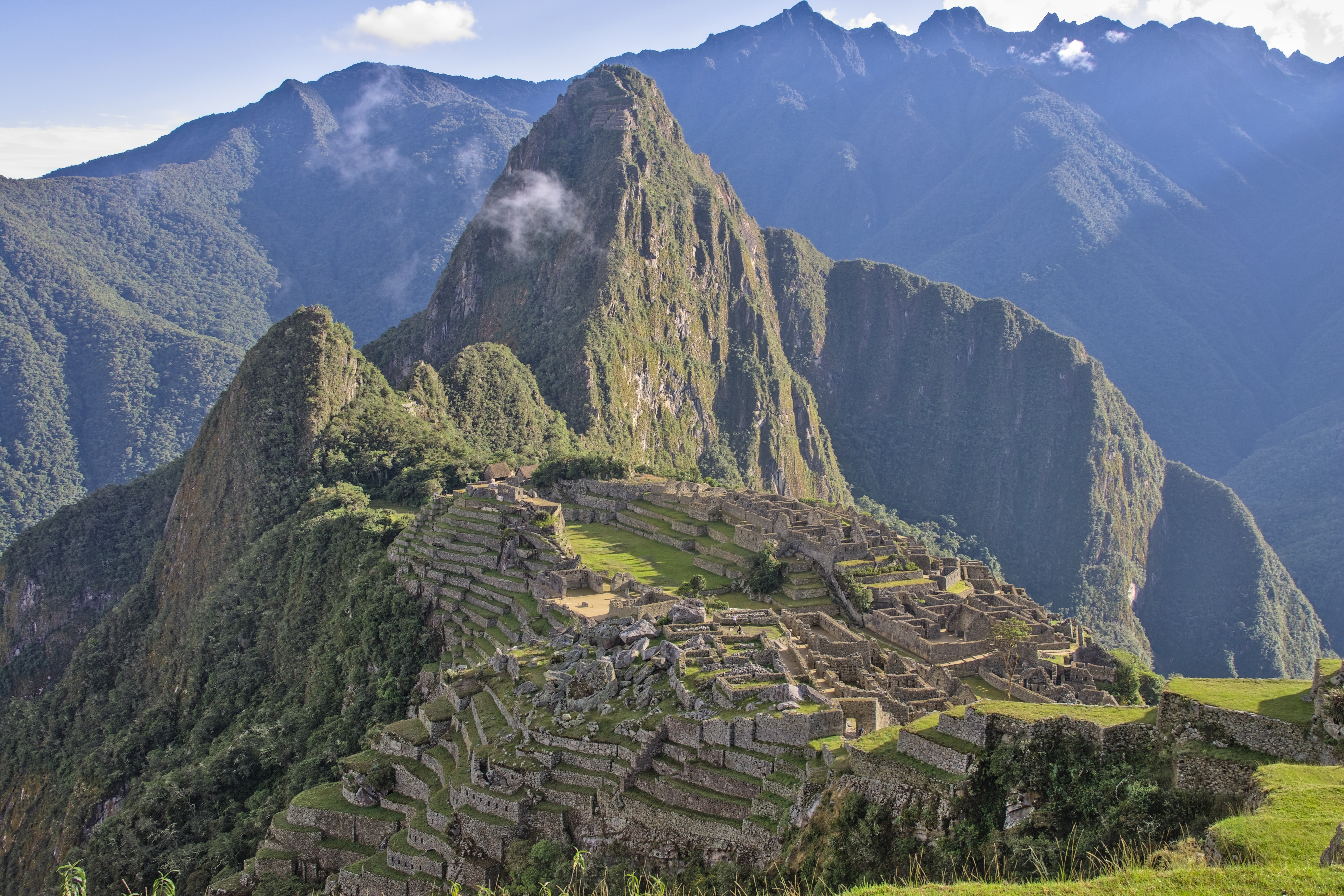
🏔️Machu Picchu
A sacred Inca citadel set high in the Andes, aligned with astronomical events.
⛪Vatican City (St. Peter's Basilica)
The spiritual center of Roman Catholicism and home of the Pope.
🕌Temple Mount / Al-Aqsa (Jerusalem)
Sacred to Judaism, Christianity, and Islam — the most contested holy site on Earth.

