
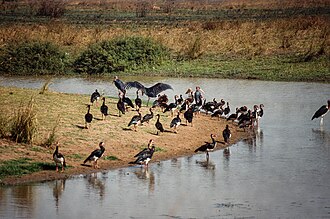
🌍 Manovo-Gounda Sacred Sites
Central African Republic
About This Sacred Site
Manovo-Gounda St. Floris National Park, a UNESCO World Heritage Site in northern CAR, encompasses vast savannas and river systems that contain sites of traditional spiritual significance. The park's diverse landscapes — from floodplains to rocky outcrops — include locations that local Sara, Runga, and other communities have considered sacred for generations. Specific rock formations, river confluences, and ancient baobab trees serve as sites for traditional ceremonies. Despite being endangered by conflict and poaching, the park's sacred sites represent a deep spiritual connection between Central African peoples and their natural environment.
Spiritual Significance
The Manovo-Gounda Sacred Sites in the Central African Republic have been revered by indigenous communities for millennia, with spiritual practices centered around the sacred rock formations, ancient trees, and river confluences that define the landscape. These natural features are believed to house ancestral spirits and deities, integral to local cosmology as preserved by the Gbaya and Banda peoples. Annual rituals involve offerings at specific river confluences to honor water spirits, crucial for sustaining community agriculture and wildlife. Pilgrims undertake processions to these sacred rocks during the dry season, coinciding with traditional hunting festivals that seek blessings for abundance and protection. Oral traditions maintained by village elders recount the origins of the sites as places where the first ancestors emerged, linking the landscape directly to creation myths. Despite its designation as a UNESCO World Heritage Site in Danger since 1997, local spiritual leaders continue to advocate for the preservation of ritual practices that maintain the balance between human activity and the sacred environment.
Key Facts
- •UNESCO World Heritage Site in Danger since 1997
- •One of the largest national parks in Central Africa
- •Contains sacred rock formations, river confluences, and ancient trees
- •The Sara, Runga, and other peoples maintain spiritual traditions at the site
- •The park once hosted one of Africa's largest wildlife populations
Location
Coordinates: 9.0000, 21.5000
Frequently Asked Questions
What religion is Manovo-Gounda Sacred Sites associated with?▾
Manovo-Gounda Sacred Sites is a Indigenous holy site located in Central African Republic. It was established Ancient and is ranked #880 in our global directory of sacred sites.
When was Manovo-Gounda Sacred Sites established?▾
Manovo-Gounda Sacred Sites dates back to Ancient. UNESCO World Heritage Site in Danger since 1997
How many people visit Manovo-Gounda Sacred Sites each year?▾
Manovo-Gounda Sacred Sites receives approximately 1,000 visitors per year. One of the largest national parks in Central Africa
What is Manovo-Gounda Sacred Sites known for?▾
Sacred natural sites within a vast UNESCO-listed wildlife reserve. Visitors come seeking ancestral connection, protection, purification. Contains sacred rock formations, river confluences, and ancient trees
Related Holy Sites
Sacred places connected by country, religion, and purpose
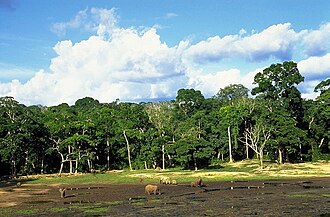
🌳Dzanga Sacred Forest
Sacred rainforest of the BaAka pygmy people in southwestern CAR.
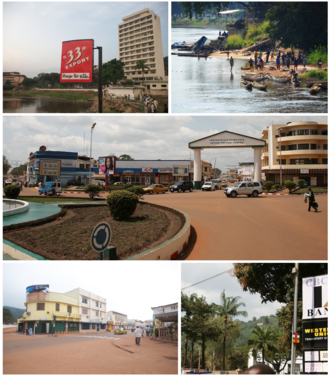
⛪Boganda Cathedral Bangui
The principal cathedral of the CAR, a center of peace in a conflict-affected nation.
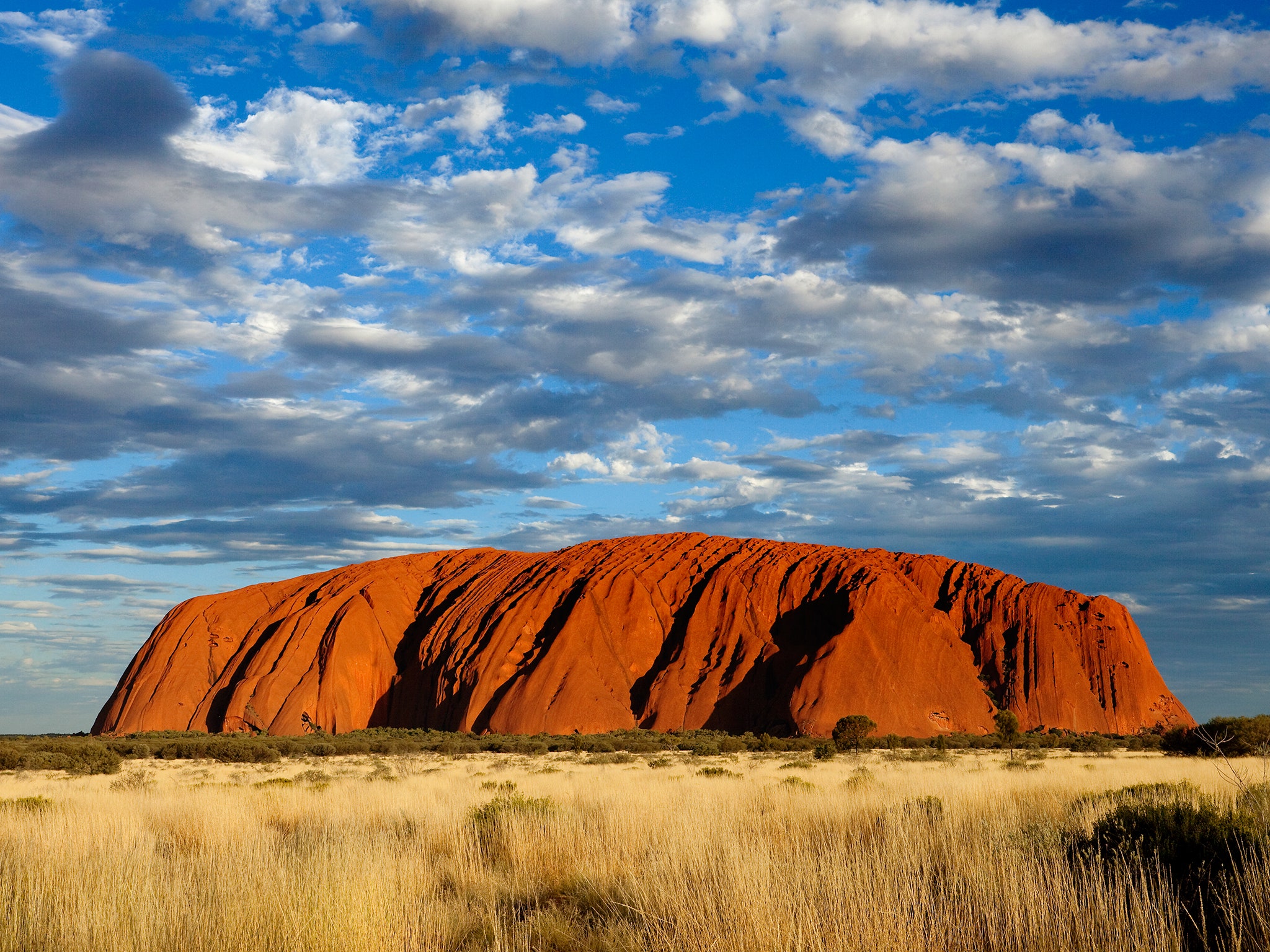
🪨Uluru (Ayers Rock)
A sacred monolith central to Aboriginal Australian creation stories.
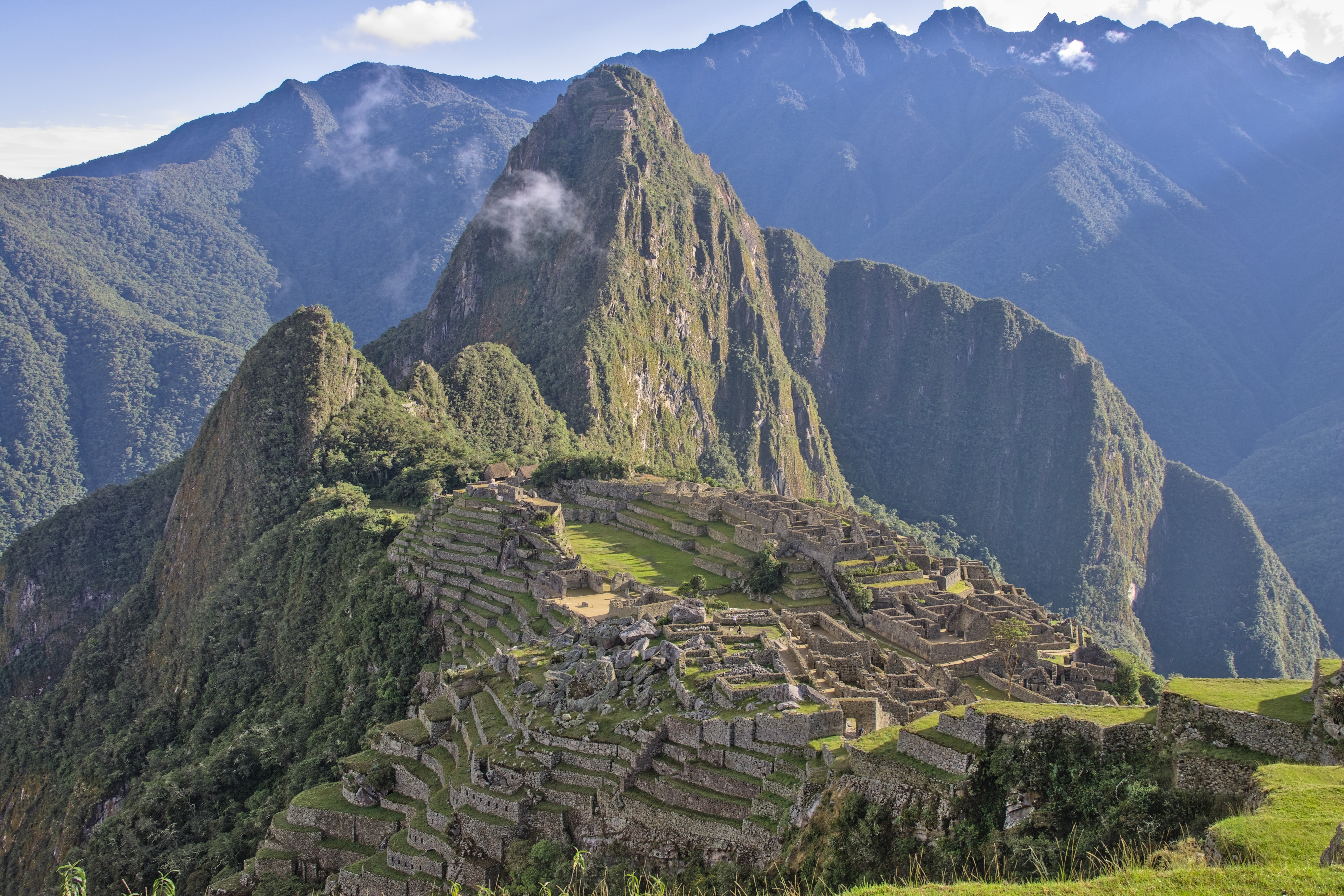
🏔️Machu Picchu
A sacred Inca citadel set high in the Andes, aligned with astronomical events.
🕋Masjid al-Haram (Great Mosque of Mecca)
The holiest site in Islam, home of the Kaaba, and the destination for Hajj pilgrimage.
🙏Varanasi (Kashi Vishwanath Temple)
The holiest city in Hinduism, where the Ganges River purifies the soul.

