
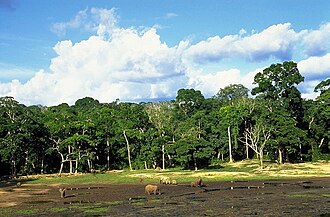
🌳 Dzanga Sacred Forest
Central African Republic
About This Sacred Site
The Dzanga-Sangha forest in southwestern Central African Republic is the ancestral homeland of the BaAka (Bayaka) pygmy people, one of the oldest human populations in Africa. The dense tropical forest is considered sacred by the BaAka, who have lived as hunter-gatherers in its depths for millennia. The forest clearings, known as bais, where forest elephants and gorillas gather, are particularly revered. BaAka spiritual practices include elaborate polyphonic singing ceremonies, healing rituals, and spirit dances that maintain the connection between the community and the forest spirits. Their relationship with the forest is fundamentally spiritual.
History & Origins
The Dzanga-Sangha forest in southwestern Central African Republic is the ancestral homeland of the BaAka (Bayaka) pygmy people, one of the oldest human groups in Africa. This ancient forest has been inhabited for tens of thousands of years, serving as a sacred landscape where the BaAka conduct rituals honoring forest spirits and ancestors. Traditional hunting and gathering practices are intertwined with spiritual beliefs that emphasize harmony with nature. The establishment of Dzanga-Ndoki National Park in the late 20th century brought conservation attention, but local communities have worked to maintain access to sacred sites and cultural practices. Dzanga remains a vital reservoir of indigenous knowledge, spirituality, and biodiversity.
Spiritual Significance
The Dzanga Sacred Forest serves as the ancestral homeland of the BaAka pygmy people, whose spiritual beliefs center on the forest as the source of life and ancestral wisdom. The BaAka consider the clearings known as bais, where elephants gather, as sacred spaces where communication with forest spirits occurs through ritual drumming and offerings of kola nuts. These bais are focal points for seasonal ceremonies that honor the elephant as a symbol of strength and continuity. Spiritual leaders, known as ngangas, conduct healing rituals using herbs gathered exclusively within the sacred forest, emphasizing the interconnectedness of health, spirituality, and the environment. The BaAka’s oral traditions, passed through generations, narrate the forest as the dwelling place of the primordial ancestors, with ceremonial dances performed to invoke protection and guidance. The sacred forest remains a vital pilgrimage site where community members engage in rites of passage, reinforcing social bonds and spiritual identity.
Key Facts
- •Ancestral homeland of the BaAka pygmy people
- •The BaAka are among the oldest human populations in Africa
- •Forest clearings (bais) where elephants gather are considered sacred
- •BaAka polyphonic singing is recognized by UNESCO
- •The forest is home to western lowland gorillas and forest elephants
Location
Coordinates: 2.9500, 16.4000
Frequently Asked Questions
What religion is Dzanga Sacred Forest associated with?▾
Dzanga Sacred Forest is a Indigenous holy site located in Central African Republic. It was established Ancient and is ranked #803 in our global directory of sacred sites.
When was Dzanga Sacred Forest established?▾
Dzanga Sacred Forest dates back to Ancient. Ancestral homeland of the BaAka pygmy people
How many people visit Dzanga Sacred Forest each year?▾
Dzanga Sacred Forest receives approximately 3,000 visitors per year. The BaAka are among the oldest human populations in Africa
What is Dzanga Sacred Forest known for?▾
Sacred rainforest of the BaAka pygmy people in southwestern CAR. Visitors come seeking ancestral connection, healing, spiritual enlightenment. Forest clearings (bais) where elephants gather are considered sacred
Related Holy Sites
Sacred places connected by country, religion, and purpose
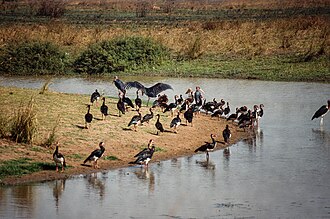
🌍Manovo-Gounda Sacred Sites
Sacred natural sites within a vast UNESCO-listed wildlife reserve.
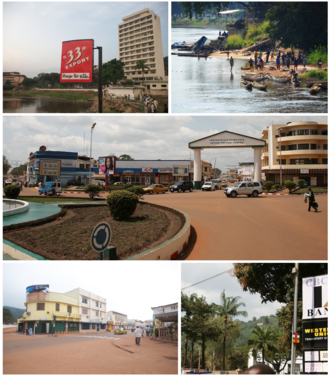
⛪Boganda Cathedral Bangui
The principal cathedral of the CAR, a center of peace in a conflict-affected nation.
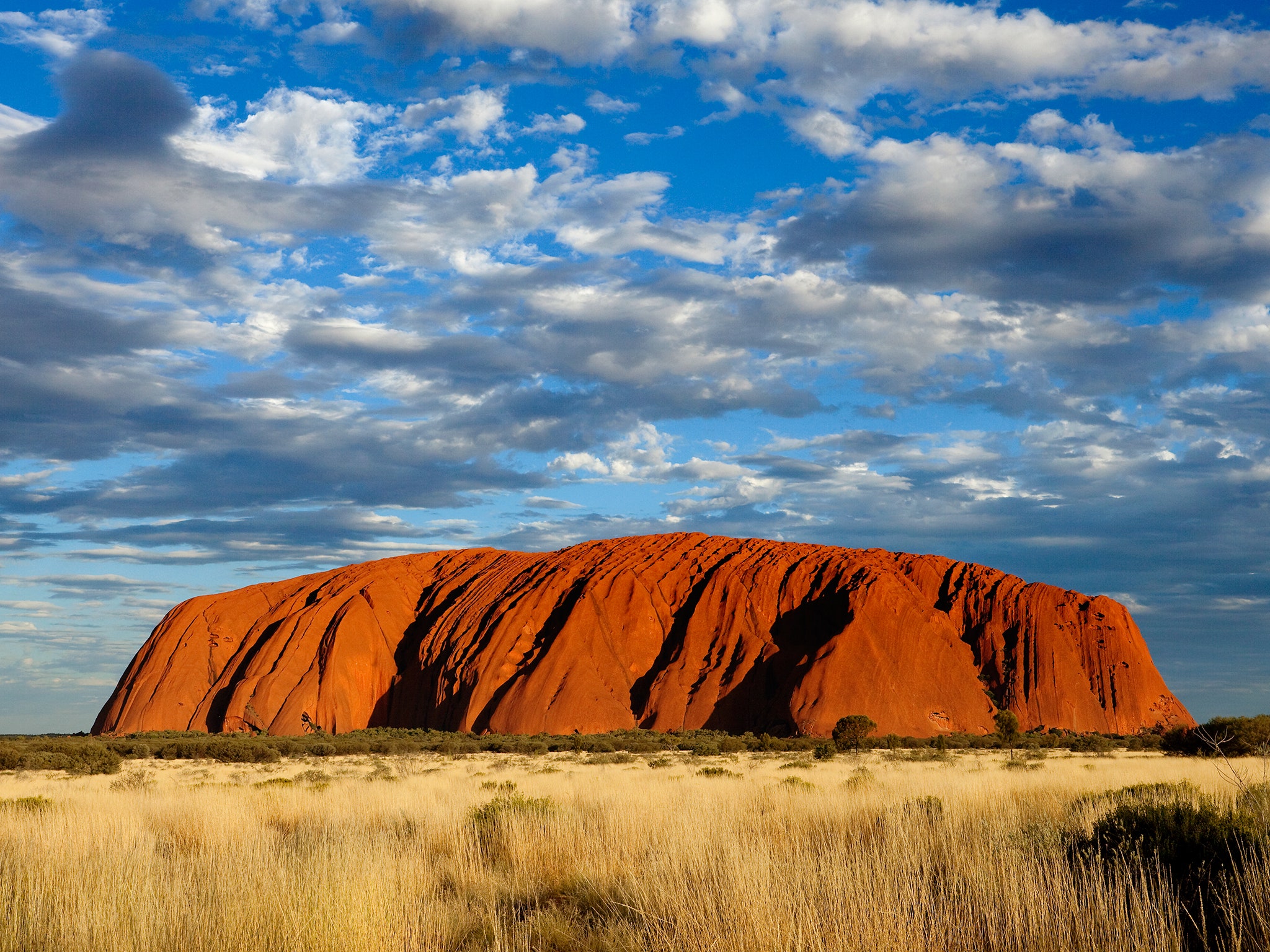
🪨Uluru (Ayers Rock)
A sacred monolith central to Aboriginal Australian creation stories.
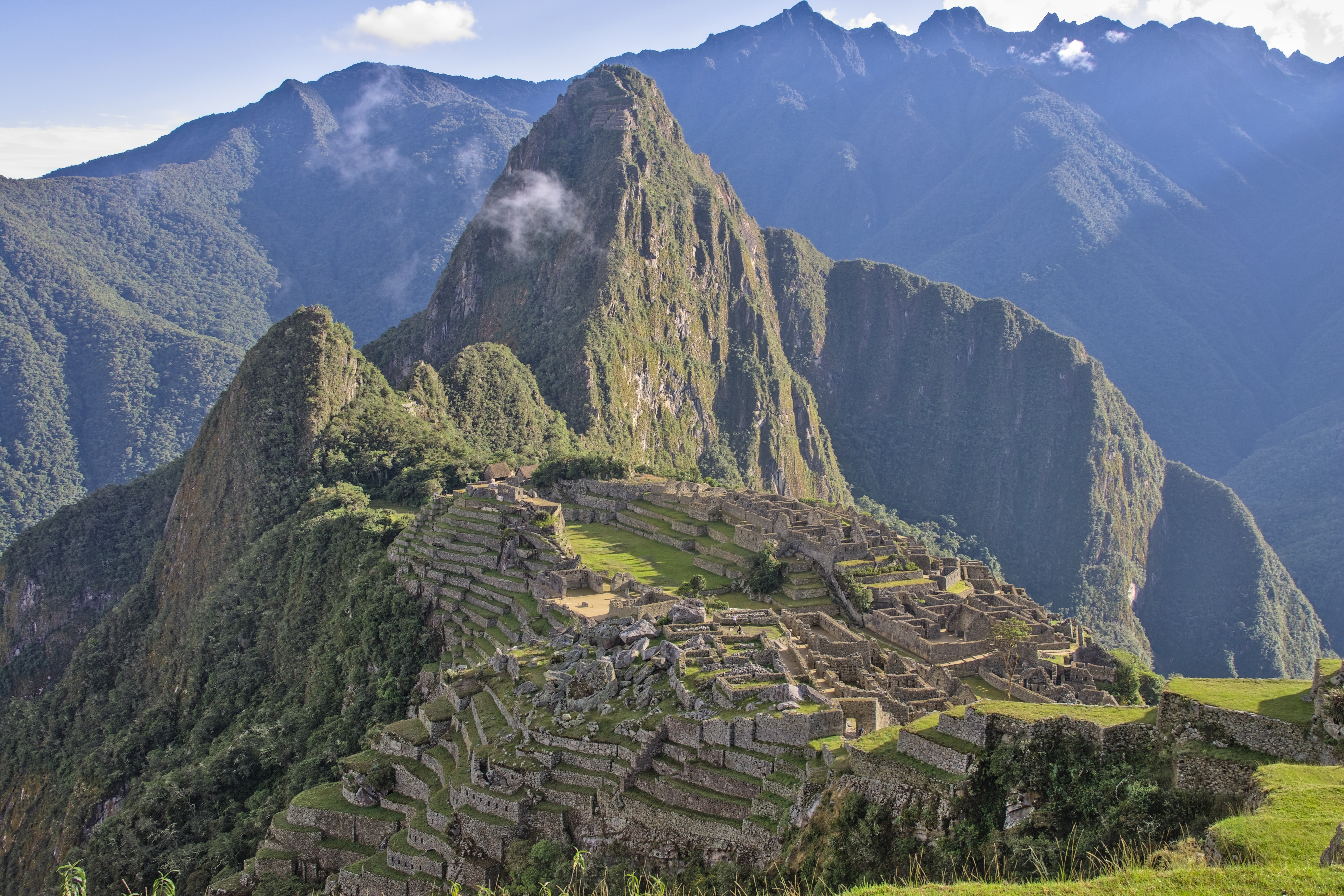
🏔️Machu Picchu
A sacred Inca citadel set high in the Andes, aligned with astronomical events.

🕌Temple Mount / Al-Aqsa (Jerusalem)
Sacred to Judaism, Christianity, and Islam — the most contested holy site on Earth.
🙏Varanasi (Kashi Vishwanath Temple)
The holiest city in Hinduism, where the Ganges River purifies the soul.

