⛪ Loreta Prague
Czech Republic
About This Sacred Site
Loreta Prague, established in 1626 in the Hradčany district, is an important Baroque pilgrimage complex centered around a replica of the Santa Casa, the house believed to be the Virgin Mary's home. The complex was built over more than a century, with its iconic facade and the Loreta Tower completed by 1750. It houses a treasury with valuable liturgical objects and the famous chime of 27 bells, known as the Loreta Bells. The site has played a pivotal role in Catholic devotion in Bohemia, symbolizing Marian veneration and Counter-Reformation efforts.
Spiritual Significance
Established in 1626, the site centers around a replica of the Santa Casa, believed to be the Virgin Mary's house miraculously transported to Loreto, Italy, which serves as a focal point for Marian devotion. Pilgrims participate in the daily recitation of the Loreto Litanies, invoking the Virgin Mary’s intercession, and attend the Feast of the Annunciation celebrations on March 25. The treasury houses the Prague Sun monstrance, encrusted with 6,222 diamonds, symbolizing the radiance of Christ’s presence in the Eucharist, which is central to the site’s Eucharistic adoration rituals. The cloistered chapel hosts the rhythmic chimes of the Loreta bells, ringing hourly since the 17th century, calling the faithful to prayer and remembrance of the Incarnation. Loreta Prague is also a pilgrimage endpoint during the Marian pilgrimage route in Bohemia, reflecting Counter-Reformation efforts to reaffirm Catholic identity.
Key Facts
- •Built around a replica of the Santa Casa (Holy House of Nazareth), modeled on the original in Loreto, Italy
- •The treasury's Prague Sun monstrance is encrusted with 6,222 diamonds
- •A carillon of 27 bells plays the Marian hymn 'We Greet Thee a Thousand Times' every hour
- •Construction spanned from 1626 to 1750 under the patronage of the Lobkowicz family
- •One of several hundred Loreto copies built across Europe during the Counter-Reformation
Location
Coordinates: 50.0893, 14.3916
Frequently Asked Questions
What religion is Loreta Prague associated with?▾
Loreta Prague is a Christianity holy site located in Czech Republic. It was established 1626 and is ranked #777 in our global directory of sacred sites.
When was Loreta Prague established?▾
Loreta Prague dates back to 1626. Built around a replica of the Santa Casa (Holy House of Nazareth), modeled on the original in Loreto, Italy
How many people visit Loreta Prague each year?▾
Loreta Prague receives approximately 300,000 visitors per year. The treasury's Prague Sun monstrance is encrusted with 6,222 diamonds
What is Loreta Prague known for?▾
A Baroque pilgrimage complex in Prague built around a replica of the Holy House of Nazareth. Visitors come seeking miracles, blessings, pilgrimage, healing. A carillon of 27 bells plays the Marian hymn 'We Greet Thee a Thousand Times' every hour
Related Holy Sites
Sacred places connected by country, religion, and purpose
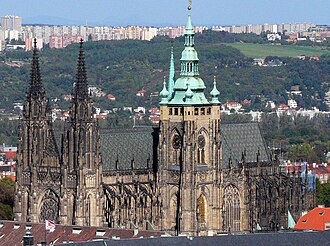
⛪St. Vitus Cathedral (Prague)
Prague Castle's magnificent Gothic cathedral, coronation church of Bohemian kings.
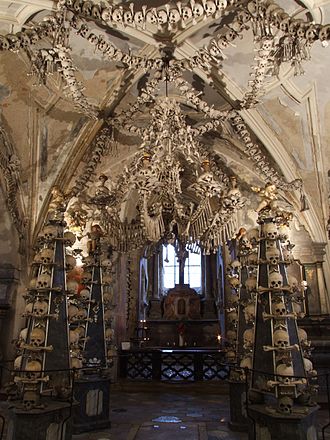
💀Sedlec Ossuary (Bone Church)
A small chapel near Kutná Hora decorated with the bones of an estimated 40,000 people.
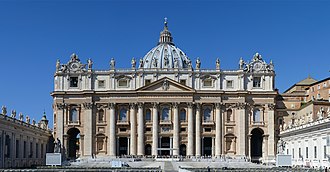
⛪Vatican City (St. Peter's Basilica)
The spiritual center of Roman Catholicism and home of the Pope.
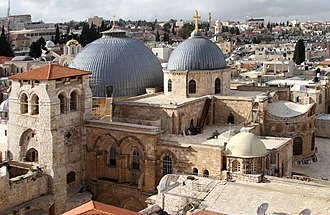
✝️Church of the Holy Sepulchre
The site where Jesus was crucified, buried, and resurrected.