
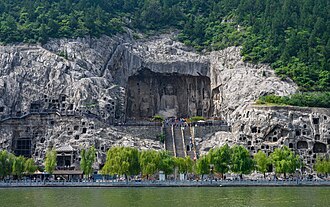
🗿 Longmen Grottoes
China
About This Sacred Site
The Longmen Grottoes near Luoyang in Henan Province are one of China's three most celebrated Buddhist cave sculpture sites. Stretching for one kilometer along both banks of the Yi River, the site contains over 2,300 caves and niches with more than 110,000 Buddhist stone statues, 60 pagodas, and 2,800 inscriptions. Carved primarily during the Northern Wei and Tang dynasties from 493 to 1127 CE, the sculptures represent the pinnacle of Chinese stone carving artistry. The largest statue, the Vairocana Buddha at the Fengxian Temple, stands 17 meters tall and is considered a masterpiece of Tang dynasty art.
Spiritual Significance
The Longmen Grottoes, carved extensively between 493 and 1127 CE, constitute a monumental expression of Chinese Buddhist devotion, with over 110,000 statues representing various Buddhas, bodhisattvas, and arhats. The Vairocana Buddha at Fengxian Temple, towering 17 meters tall, symbolizes cosmic Buddha centrality in the Huayan school, reflecting theological emphasis on interpenetration of all phenomena. Pilgrims traditionally engage in prostrations and incense offerings within the grottoes to gain merit and seek protection. The intricate bas-reliefs include inscriptions of Buddhist sutras and dharani charms intended for spiritual protection and healing. The site was patronized by emperors such as Emperor Xiaowen of Northern Wei and Emperor Xuanzong of Tang, who commissioned statues aligning with state Buddhism as a legitimizing force. Ritual festivals coincided with important Buddhist dates like Vesak, during which monks conducted chanting ceremonies echoing the Lotus Sutra’s teachings on the Buddha-nature inherent in all beings.
Key Facts
- •Contains over 110,000 Buddhist statues carved between 493 and 1127 CE
- •The Vairocana Buddha at Fengxian Temple stands 17 meters tall
- •Over 2,300 caves stretch for one kilometer along the Yi River
- •The site contains 2,800 inscribed stone tablets recording ancient history
- •UNESCO World Heritage Site since 2000
Location
Coordinates: 34.5657, 112.4710
Frequently Asked Questions
What religion is Longmen Grottoes associated with?▾
Longmen Grottoes is a Buddhism holy site located in China. It was established 493 CE and is ranked #86 in our global directory of sacred sites.
When was Longmen Grottoes established?▾
Longmen Grottoes dates back to 493 CE. Contains over 110,000 Buddhist statues carved between 493 and 1127 CE
How many people visit Longmen Grottoes each year?▾
Longmen Grottoes receives approximately 3+ million visitors per year. The Vairocana Buddha at Fengxian Temple stands 17 meters tall
What is Longmen Grottoes known for?▾
Over 100,000 Buddhist statues carved into limestone cliffs along the Yi River. Visitors come seeking spiritual enlightenment, blessings, meditation, peace. Over 2,300 caves stretch for one kilometer along the Yi River
Related Holy Sites
Sacred places connected by country, religion, and purpose
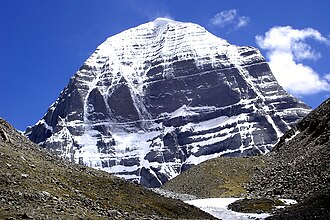
🏔️Mount Kailash
Sacred to four religions, considered the center of the universe.
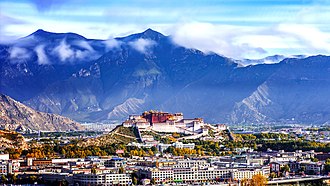
🏯Potala Palace
Former winter residence of the Dalai Lama, towering over Lhasa.
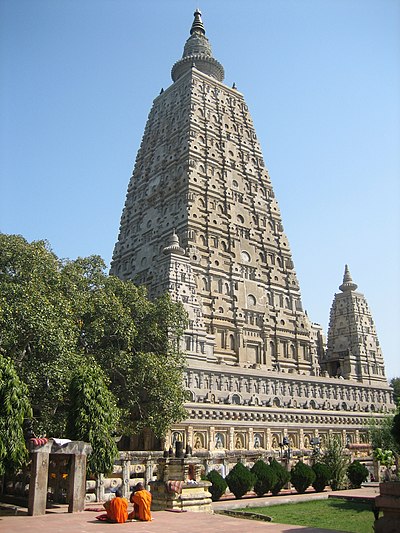
☸️Bodh Gaya (Mahabodhi Temple)
Where Siddhartha Gautama attained enlightenment and became the Buddha.
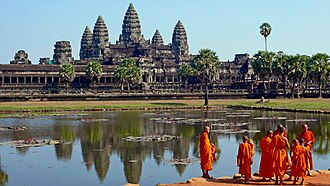
🛕Angkor Wat
The largest religious monument in the world, originally Hindu then Buddhist.
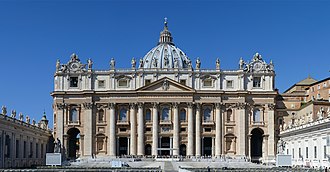
⛪Vatican City (St. Peter's Basilica)
The spiritual center of Roman Catholicism and home of the Pope.
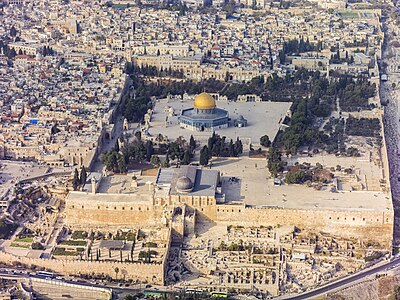
🕌Temple Mount / Al-Aqsa (Jerusalem)
Sacred to Judaism, Christianity, and Islam — the most contested holy site on Earth.

