🗿 Leshan Giant Buddha
China
About This Sacred Site
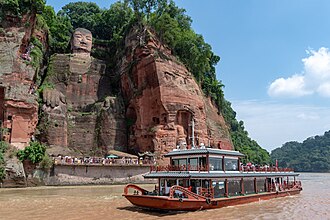
The Leshan Giant Buddha is a 71-meter-tall stone statue carved into a cliff face at the confluence of the Min, Dadu, and Qingyi rivers in Sichuan Province. It is the largest and tallest stone Buddha statue in the world. Construction began in 713 CE under the direction of the Chinese monk Haitong, who hoped that the Buddha would calm the turbulent waters and protect the boatmen. The project took 90 years to complete and involved thousands of workers. A sophisticated internal drainage system hidden within the statue has helped preserve it for over 1,200 years.
History & Origins
The Leshan Giant Buddha, carved from a cliff face in Sichuan Province in 803 CE during the Tang Dynasty, is the world’s largest stone Buddha statue, standing 71 meters tall. The project was initiated by monk Haitong, who hoped the Buddha’s presence would calm turbulent river currents threatening local shipping. Construction involved intricate engineering to channel water away from the statue’s foundation. Despite interruptions due to Haitong’s death, the statue was completed by his disciples. Over centuries, it has undergone restorations to address erosion and pollution. Today, it remains a symbol of Buddhist devotion and an extraordinary feat of ancient artistry.
Spiritual Significance
Carved between 713 and 803 CE over 90 years, this 71-meter tall stone statue is the largest Buddha statue worldwide, representing Maitreya, the future Buddha, embodying hope and compassion. The statue's design incorporates a sophisticated internal drainage system to prevent erosion, reflecting advanced engineering aimed at preserving the sacred image. Pilgrims traditionally circumambulate the statue while chanting sutras such as the Maitreya Sutra, seeking blessings for peace and protection from natural disasters. The site is situated at the confluence of three rivers, a location chosen for its geomantic properties believed to channel spiritual energy. Annual festivals commemorate the statue's completion date, featuring rituals led by Buddhist monks from nearby monasteries. The Leshan Giant Buddha is mentioned in Tang dynasty records as a key pilgrimage destination in Chinese Buddhism.
Key Facts
- •At 71 meters tall, it is the largest stone Buddha statue in the world
- •Construction took 90 years, from 713 to 803 CE
- •A hidden drainage system inside the statue prevents erosion
- •The monk Haitong gouged out his own eyes to show his sincerity in fundraising for the project
- •UNESCO World Heritage Site since 1996
Location
Coordinates: 29.5443, 103.7734
Frequently Asked Questions
What religion is Leshan Giant Buddha associated with?▾
Leshan Giant Buddha is a Buddhism holy site located in China. It was established 803 CE and is ranked #90 in our global directory of sacred sites.
When was Leshan Giant Buddha established?▾
Leshan Giant Buddha dates back to 803 CE. At 71 meters tall, it is the largest stone Buddha statue in the world
How many people visit Leshan Giant Buddha each year?▾
Leshan Giant Buddha receives approximately 4+ million visitors per year. Construction took 90 years, from 713 to 803 CE
What is Leshan Giant Buddha known for?▾
The world's largest stone Buddha statue, carved into a riverside cliff face. Visitors come seeking protection, blessings, peace, guidance. A hidden drainage system inside the statue prevents erosion
Related Holy Sites
Sacred places connected by country, religion, and purpose
🏔️Mount Kailash
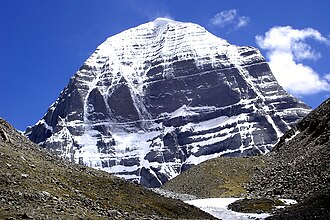
Sacred to four religions, considered the center of the universe.
🏯Potala Palace
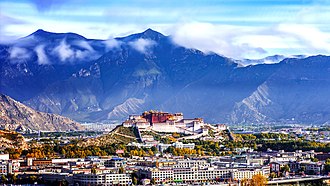
Former winter residence of the Dalai Lama, towering over Lhasa.
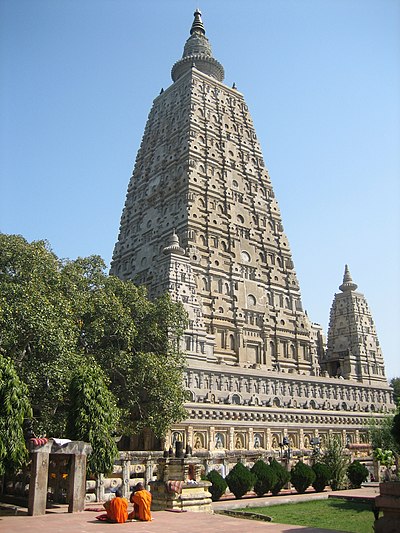
☸️Bodh Gaya (Mahabodhi Temple)
Where Siddhartha Gautama attained enlightenment and became the Buddha.
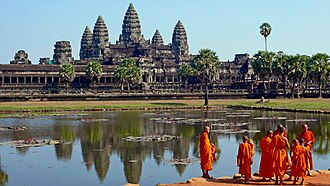
🛕Angkor Wat
The largest religious monument in the world, originally Hindu then Buddhist.