💃 Fiesta de La Tirana
Chile
About This Sacred Site
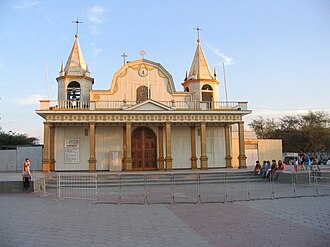
La Tirana, a small village in Chile’s Atacama Desert, transforms each July 12–18 into a vibrant pilgrimage hub during the Fiesta de La Tirana. Attracting over 200,000 devotees, the festival honors the Virgen del Carmen through elaborate dances, music, and colorful costumes. Rooted in 18th-century Christian tradition blended with indigenous Andean rituals, the celebration features ritual performances by various religious fraternities. The event reflects Chile’s cultural syncretism and deep spiritual devotion, making La Tirana a focal point of faith and community identity.
Spiritual Significance
The Fiesta de La Tirana, held annually around July 16, attracts over 200,000 pilgrims to the village, which typically has 560 residents. This festival honors the Virgen del Carmen, Chile's patron saint, blending Catholic devotion with indigenous Andean dance traditions. Rituals include colorful dance troupes called 'bailes' performing traditional costumes symbolizing historical battles between Moors and Christians. Pilgrims participate in novenas and Masses at the local sanctuary, with processions carrying the Virgin's statue through the streets. The festival's origins date back to at least the 18th century, reflecting Jesuit missionary influence combined with local customs. The event serves both as a thanksgiving and petition for blessings, emphasizing themes of protection, fertility, and community unity.
Key Facts
- •Over 200,000 pilgrims attend the festival in a village that normally has only 560 residents
- •The festival dates to at least the 18th century and honors the Virgen del Carmen
- •Over 200 dance troupes (cofradías) perform Diablada and other syncretic dances
- •The name 'La Tirana' (The Tyrant) references an Inca princess who converted to Christianity
- •The festival blends Catholic Marian devotion with pre-Columbian Andean and Afro-Chilean traditions
Location
Coordinates: -20.5602, -69.6536
Frequently Asked Questions
What religion is Fiesta de La Tirana associated with?▾
Fiesta de La Tirana is a Christianity holy site located in Chile. It was established 18th century and is ranked #446 in our global directory of sacred sites.
When was Fiesta de La Tirana established?▾
Fiesta de La Tirana dates back to 18th century. Over 200,000 pilgrims attend the festival in a village that normally has only 560 residents
How many people visit Fiesta de La Tirana each year?▾
Fiesta de La Tirana receives approximately 200,000 (festival period) visitors per year. The festival dates to at least the 18th century and honors the Virgen del Carmen
What is Fiesta de La Tirana known for?▾
Chile's largest religious festival, a syncretic celebration blending Catholic devotion with Andean and Afro-Chilean dance. Visitors come seeking pilgrimage, blessings, healing, ancestral connection. Over 200 dance troupes (cofradías) perform Diablada and other syncretic dances
Related Holy Sites
Sacred places connected by country, religion, and purpose
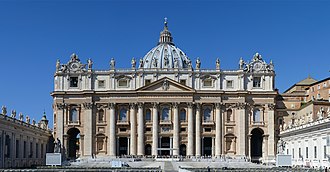
⛪Vatican City (St. Peter's Basilica)
The spiritual center of Roman Catholicism and home of the Pope.
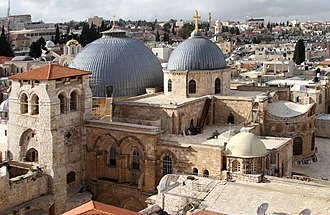
✝️Church of the Holy Sepulchre
The site where Jesus was crucified, buried, and resurrected.