🏰 Krak des Chevaliers
Syria
About This Sacred Site
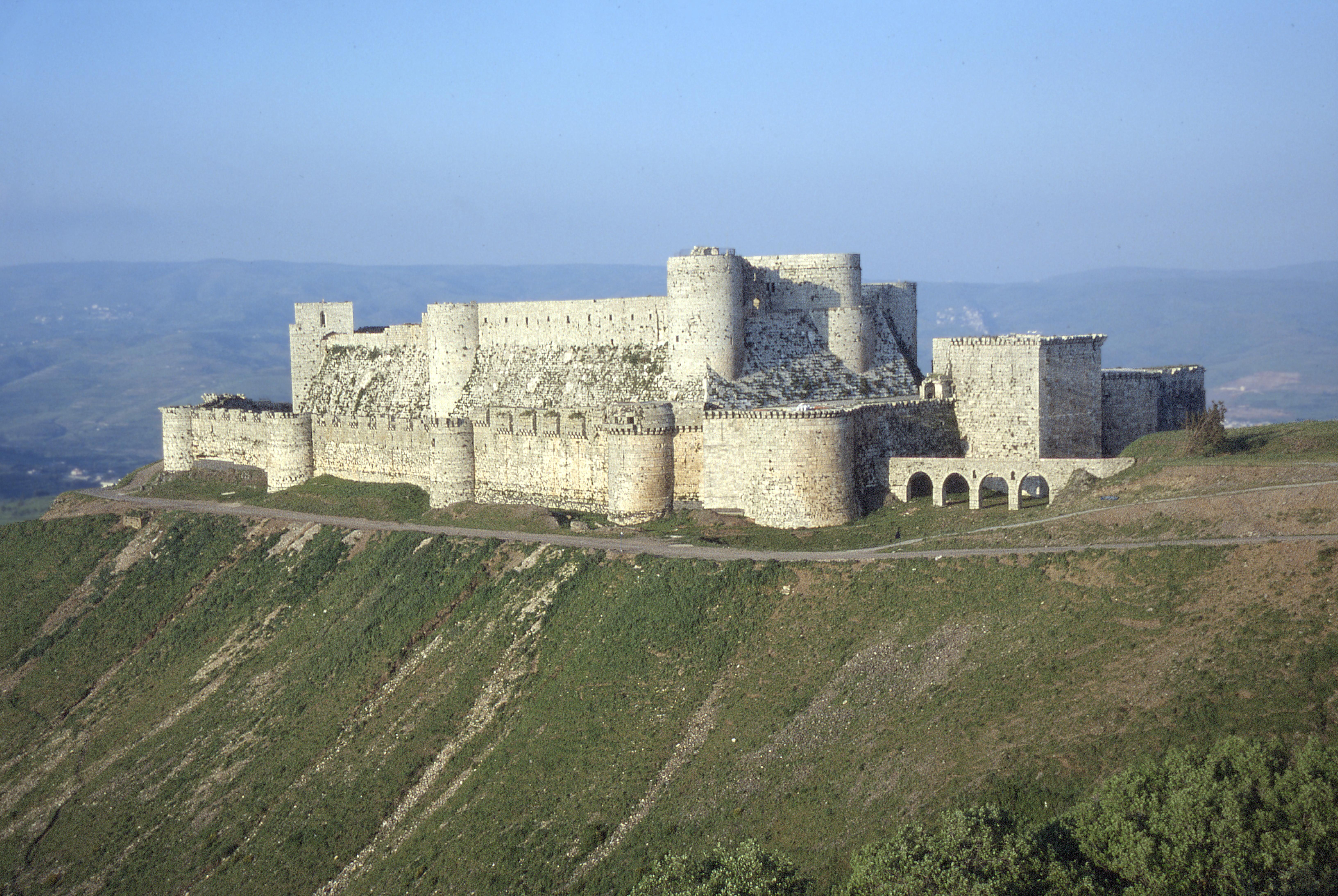
Krak des Chevaliers is widely regarded as the best-preserved and most important Crusader castle in the world. Built by the Knights Hospitaller beginning in 1142 CE, the fortress contains a Gothic chapel that was later converted to a mosque after the Mamluk conquest. T.E. Lawrence called it 'perhaps the best preserved and most wholly admirable castle in the world.' The massive concentric castle withstood numerous sieges and stands as a monument to the complex religious history of the Crusader period.
History & Origins
Krak des Chevaliers, located in western Syria, is considered the best-preserved Crusader castle globally and a masterpiece of medieval military architecture. Constructed initially in 1142 CE by the Knights Hospitaller, the fortress was expanded extensively in the 12th and 13th centuries to withstand sieges and serve as a strategic stronghold during the Crusades. Its concentric design features massive walls, towers, and a complex water supply system. The castle played a pivotal role in controlling trade routes between the Mediterranean and the interior of Syria. After the Crusader period, it passed to Mamluk and Ottoman control, maintaining its military importance. Today, Krak des Chevaliers is a UNESCO World Heritage Site symbolizing the cultural and military history of the Crusades era.
Spiritual Significance
Held by the Knights Hospitaller from 1142 to 1271 CE, the castle served as a fortified monastic community dedicated to protecting Christian pilgrims traveling to the Holy Land. The Gothic chapel within the fortress, dating from the 13th century, features elaborate rib vaulting and stained glass depicting biblical scenes, supporting the knights' devotional practices. Pilgrims visiting the site participated in mass and prayers conducted by the resident clergy, invoking protection and divine favor during the Crusades. The fortress's strategic location on a hilltop provided a vantage point for both defense and spiritual vigilance. T.E. Lawrence described it as the finest castle in the world, underscoring its symbolic role in Christian military and religious history. Annual reenactments of medieval liturgies and festivals commemorate the knights' monastic vows and chivalric ideals, reinforcing its theological significance as a bastion of Christendom during the 12th and 13th centuries.
Key Facts
- •UNESCO World Heritage Site since 2006
- •Held by the Knights Hospitaller from 1142 to 1271 CE
- •T.E. Lawrence called it the finest castle in the world
- •The Gothic chapel was converted to a mosque after 1271
- •Could garrison up to 2,000 soldiers
Location
Coordinates: 34.7569, 36.2942
Frequently Asked Questions
What religion is Krak des Chevaliers associated with?▾
Krak des Chevaliers is a Christianity holy site located in Syria. It was established 1142 CE and is ranked #494 in our global directory of sacred sites.
When was Krak des Chevaliers established?▾
Krak des Chevaliers dates back to 1142 CE. UNESCO World Heritage Site since 2006
How many people visit Krak des Chevaliers each year?▾
Krak des Chevaliers receives approximately 50,000 visitors per year. Held by the Knights Hospitaller from 1142 to 1271 CE
What is Krak des Chevaliers known for?▾
The best-preserved Crusader castle, with a chapel that was converted to a mosque. Visitors come seeking protection, ancestral connection, peace, guidance. T.E. Lawrence called it the finest castle in the world
Related Holy Sites
Sacred places connected by country, religion, and purpose

⛪Vatican City (St. Peter's Basilica)
The spiritual center of Roman Catholicism and home of the Pope.
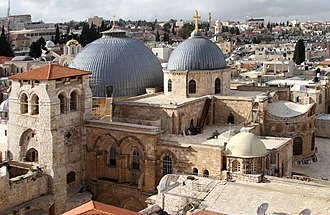
✝️Church of the Holy Sepulchre
The site where Jesus was crucified, buried, and resurrected.