
🦴 Koobi Fora
Kenya
About This Sacred Site
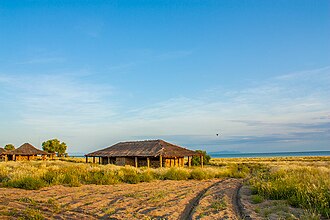
Koobi Fora is a paleoanthropological site located on the eastern shores of Lake Turkana in northern Kenya, encompassing an area rich in fossil deposits dating back approximately 4 million years. The site is part of the Lake Turkana National Parks UNESCO World Heritage Site, covering over 160,000 hectares of arid terrain. Excavations have uncovered stratified sediment layers preserving stone tools and fossilized remains of early hominins. The site features isolated sandstone outcrops where over 200 hominin fossils have been recovered, including the notable Homo erectus skull KNM-ER 3733 discovered by Richard Leakey in 1975. The geological formations here provide insights into Pliocene and Pleistocene epochs, with volcanic ash layers aiding precise radiometric dating.
History & Origins
Scientific exploration of Koobi Fora began in the late 1960s under the leadership of Richard Leakey and his team, who uncovered a wealth of hominin fossils that transformed understanding of human ancestry. The site’s stratigraphy has allowed precise dating of specimens, helping to map evolutionary timelines. Koobi Fora has contributed to debates on species diversity, brain development, and adaptive behaviors in early humans. It remains an active research site, managed as part of Kenya’s Lake Turkana National Parks, attracting paleoanthropologists worldwide committed to unraveling humanity’s deep past.
Spiritual Significance
Koobi Fora holds profound significance for indigenous Turkana communities who regard the surrounding landscape as ancestral territory intertwined with creation stories and spiritual guardianship. Rituals performed before fossil excavations often involve offerings to ancestral spirits, reflecting beliefs in interconnectedness between past and present life. The site’s discoveries contribute to theological dialogues on human origins, aligning with indigenous cosmologies that emphasize continuity of life. Some local ceremonies incorporate storytelling about ancient ancestors unearthed at Koobi Fora, reinforcing identity and communal memory. While not a pilgrimage destination in the religious sense, researchers and visitors engage in reflective practices acknowledging the deep temporal roots of humanity documented here.
Key Facts
- •Part of the Lake Turkana National Parks UNESCO World Heritage Site
- •Richard Leakey discovered Homo erectus skull KNM-ER 3733 here in 1975
- •Over 200 hominin fossils have been found at the site
- •Lake Turkana is known as the 'Jade Sea' for its striking color
- •The site spans sedimentary deposits from 4 million to 700,000 years ago
Location
Coordinates: 3.9333, 36.1833
Frequently Asked Questions
What religion is Koobi Fora associated with?▾
Koobi Fora is a Indigenous holy site located in Kenya. It was established c. 4 million years ago and is ranked #855 in our global directory of sacred sites.
When was Koobi Fora established?▾
Koobi Fora dates back to c. 4 million years ago. Part of the Lake Turkana National Parks UNESCO World Heritage Site
How many people visit Koobi Fora each year?▾
Koobi Fora receives approximately 10,000+ visitors per year. Richard Leakey discovered Homo erectus skull KNM-ER 3733 here in 1975
What is Koobi Fora known for?▾
A major paleoanthropological site on Lake Turkana, part of the 'Cradle of Mankind.' Visitors come seeking ancestral connection, spiritual enlightenment, guidance, meditation. Over 200 hominin fossils have been found at the site
Related Holy Sites
Sacred places connected by country, religion, and purpose
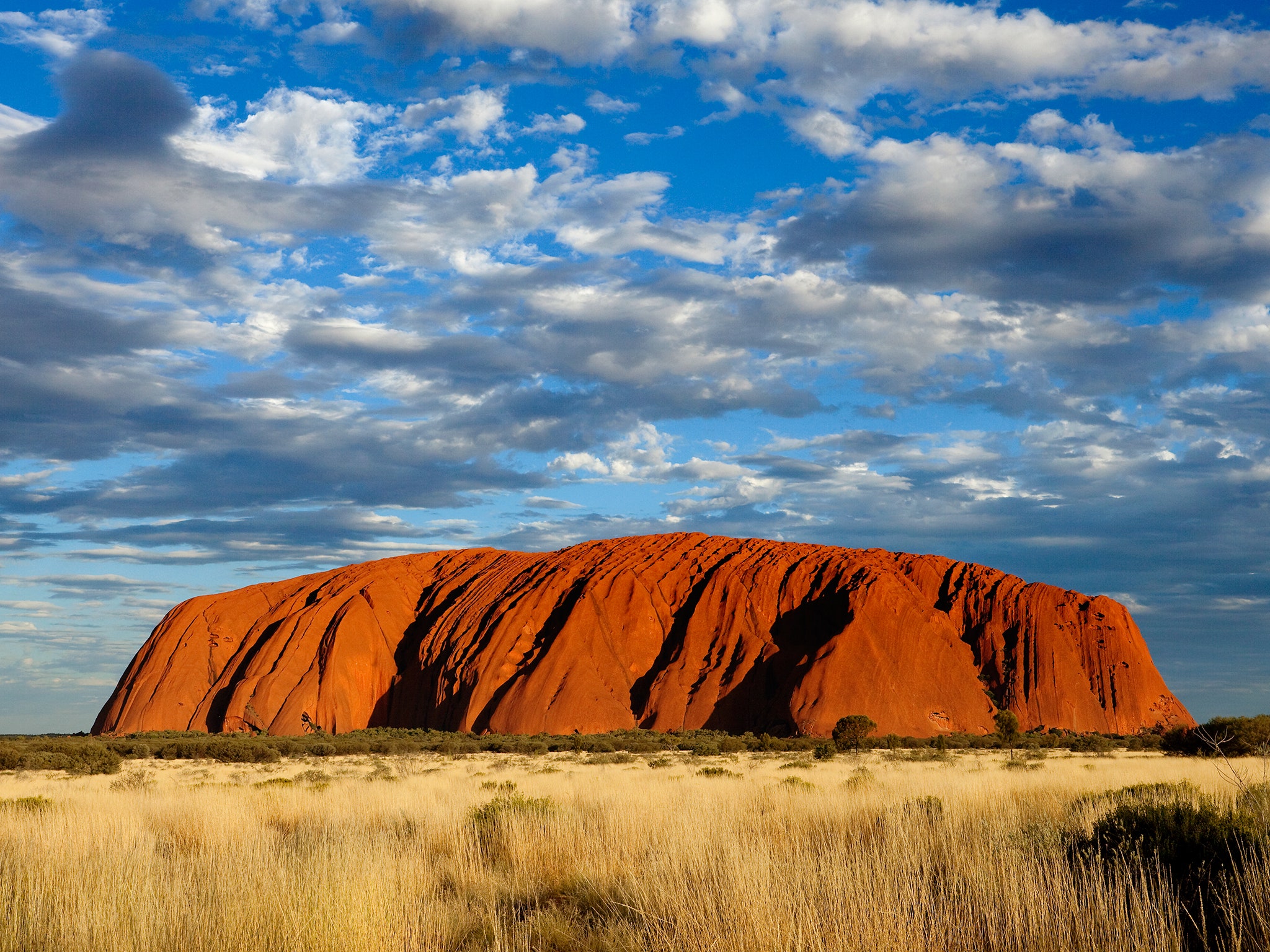
🪨Uluru (Ayers Rock)
A sacred monolith central to Aboriginal Australian creation stories.
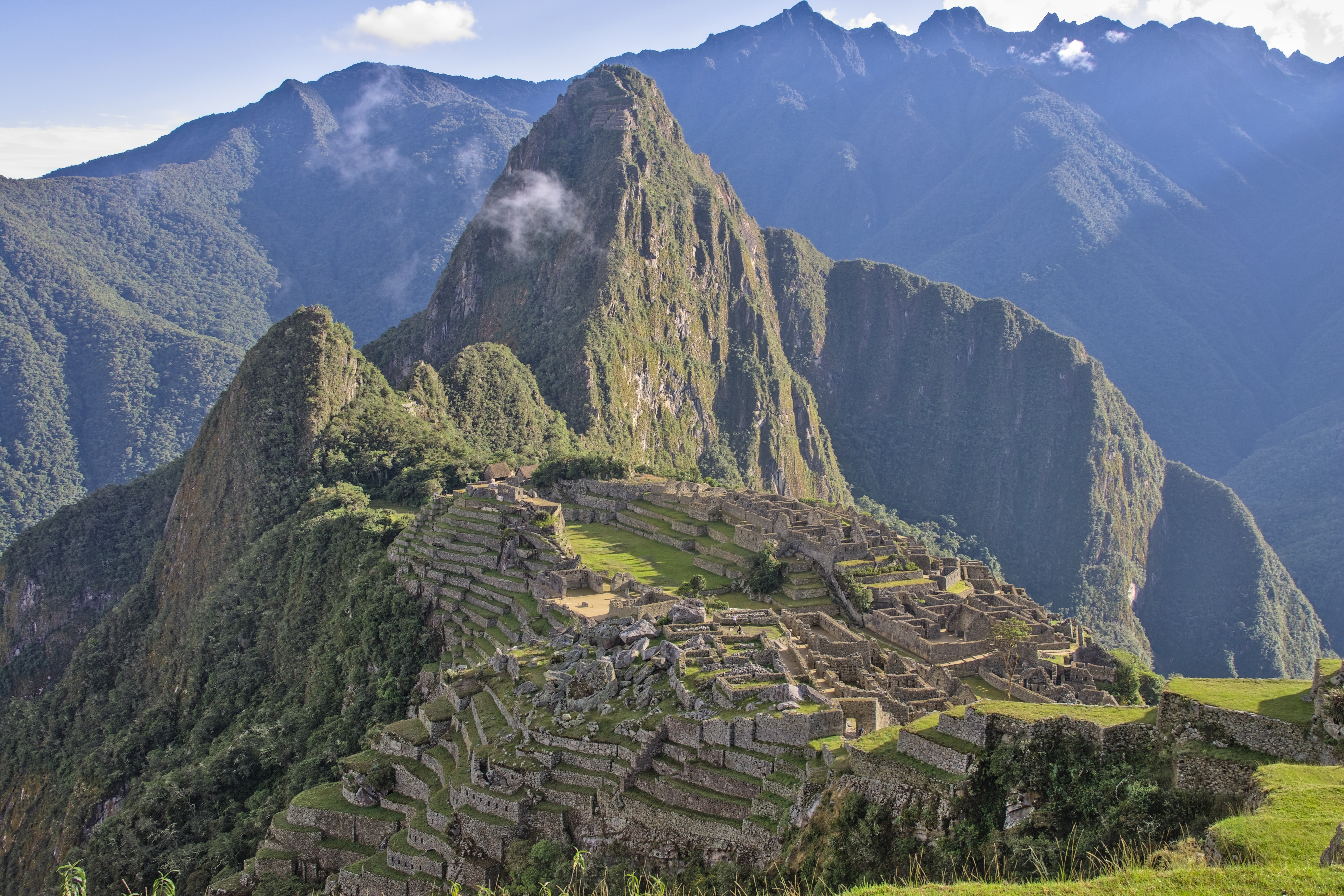
🏔️Machu Picchu
A sacred Inca citadel set high in the Andes, aligned with astronomical events.
⛪Vatican City (St. Peter's Basilica)
The spiritual center of Roman Catholicism and home of the Pope.
🕌Temple Mount / Al-Aqsa (Jerusalem)
Sacred to Judaism, Christianity, and Islam — the most contested holy site on Earth.

