🏰 Fort Jesus Mombasa
Kenya
About This Sacred Site
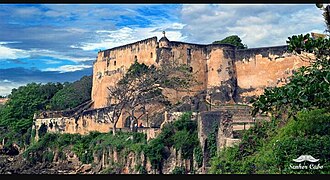
Fort Jesus in Mombasa, Kenya, is a 16th-century Portuguese fortification built in 1593 to protect the strategic port city. Recognized as a UNESCO World Heritage Site, the fort exemplifies Renaissance military architecture adapted to the East African coast. Over centuries, it witnessed conflicts between Portuguese, Omani Arabs, and British colonialists, reflecting the region’s turbulent history of trade and conquest. Today, Fort Jesus houses a museum with archaeological artifacts, serving as a testament to Mombasa’s multi-faith and multicultural heritage.
Spiritual Significance
Fort Jesus in Mombasa, constructed by the Portuguese in 1593, functions not only as a military fortress but also as a spiritual symbol for multiple faith communities. The fort’s chapel, dedicated to Jesus Christ, served as a key site for Catholic worship during Portuguese occupation. Over centuries, the fort changed hands nine times between Portuguese and Omani Arab rulers, reflecting the intertwined religious influences of Christianity and Islam. Today, Fort Jesus hosts interfaith events and commemorations of its diverse history, including Islamic prayers held in the adjacent mosque area constructed during Omani control. Pilgrims and visitors engage in guided tours that highlight the fort’s role in religious conflicts and coexistence, underscoring its importance as a locus of spiritual heritage since its establishment in 1593.
Key Facts
- •UNESCO World Heritage Site since 2011
- •Built by the Portuguese in 1593 to guard the port of Mombasa
- •Changed hands nine times between the Portuguese and Omani Arabs
- •Contains a Portuguese chapel within its walls
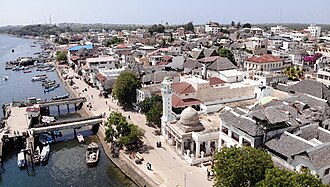
- •Mombasa's Old Town surrounding the fort has numerous historic mosques
Location
Coordinates: -4.0627, 39.6784
Frequently Asked Questions
What religion is Fort Jesus Mombasa associated with?▾
Fort Jesus Mombasa is a Multi-faith holy site located in Kenya. It was established 1593 and is ranked #363 in our global directory of sacred sites.
When was Fort Jesus Mombasa established?▾
Fort Jesus Mombasa dates back to 1593. UNESCO World Heritage Site since 2011
How many people visit Fort Jesus Mombasa each year?▾
Fort Jesus Mombasa receives approximately 200,000+ visitors per year. Built by the Portuguese in 1593 to guard the port of Mombasa
What is Fort Jesus Mombasa known for?▾
A UNESCO-listed Portuguese fort in Mombasa with chapels, mosques, and spiritual significance. Visitors come seeking protection, ancestral connection, peace, healing. Changed hands nine times between the Portuguese and Omani Arabs
Related Holy Sites
Sacred places connected by country, religion, and purpose
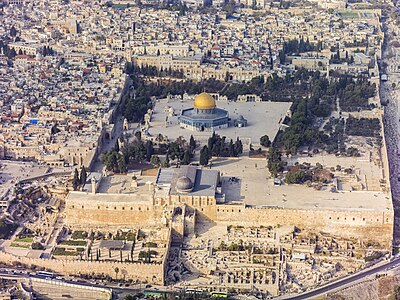
🕌Temple Mount / Al-Aqsa (Jerusalem)
Sacred to Judaism, Christianity, and Islam — the most contested holy site on Earth.
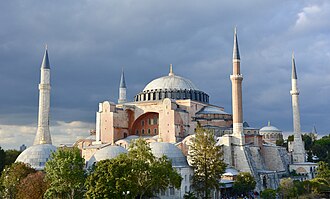
🏛️Hagia Sophia
A masterpiece that served as cathedral, mosque, and museum across centuries.