🕌 Lamu Old Town
Kenya
About This Sacred Site
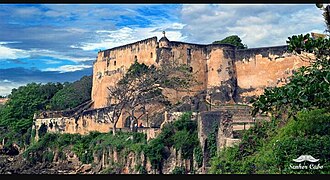
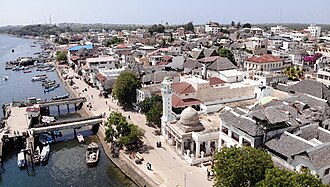
Lamu Old Town, located on Lamu Island, Kenya, is the oldest continuously inhabited Swahili settlement in East Africa and a UNESCO World Heritage Site. Founded in the 12th century, it is renowned for its narrow streets, coral stone buildings, and traditional Swahili architecture. The town is a living museum of Islamic culture and maritime trade, with mosques, madrassas, and bustling markets reflecting centuries of Arab, Persian, and African influence. Its preservation offers a unique glimpse into the social, religious, and commercial life of the Swahili coast.
History & Origins
Lamu Old Town, founded around the 1100s CE, is the oldest continuously inhabited Swahili settlement in East Africa, located on Lamu Island off Kenya's northern coast. Initially developed by Arab, Persian, and African traders, the town flourished under the rule of the Portuguese in the 16th century and later the Omanis in the 18th century, who reinforced Islamic governance. The town's architecture features coral stone buildings with intricately carved wooden doors, reflecting a blend of Swahili, Arab, and Islamic influences. Over 20 mosques exist within the town, some dating back to the 14th century, including the Riyadha Mosque. Major renovations occurred in the 19th century during Omani Sultanate rule, preserving the layout of narrow streets and courtyard houses. In 2001, UNESCO designated Lamu Old Town as a World Heritage Site due to its exceptional cultural and architectural heritage.
Spiritual Significance
Lamu Old Town serves as a vibrant center of Islamic faith in East Africa, with mosques such as the Riyadha Mosque hosting daily congregational prayers following the Maliki school of Sunni Islam. The annual Maulidi Festival commemorates the birth of Prophet Muhammad, attracting pilgrims who participate in Quranic recitations, Sufi dhikr ceremonies, and traditional Swahili songs praising the Prophet. Local religious leaders, known as Sheikhs, guide spiritual education and lead communal prayers referencing the Qur'an and Hadith collections. The town’s spiritual calendar includes the Ramadan fasting period, during which residents gather for iftar meals in communal spaces. Pilgrims visiting Lamu often engage in meditative walks through the town’s labyrinthine alleys, reflecting on centuries of Islamic scholarship and devotion embedded in its architecture.
Key Facts
- •UNESCO World Heritage Site since 2001
- •The oldest continuously inhabited Swahili town in East Africa
- •Contains over 20 mosques, some dating to the 14th century
- •The annual Maulidi festival has been celebrated here since the 19th century
- •Cars are banned; donkeys and boats are the main modes of transport
Location
Coordinates: -2.2717, 40.9020
Frequently Asked Questions
What religion is Lamu Old Town associated with?▾
Lamu Old Town is a Islam holy site located in Kenya. It was established c. 1100s CE and is ranked #307 in our global directory of sacred sites.
When was Lamu Old Town established?▾
Lamu Old Town dates back to c. 1100s CE. UNESCO World Heritage Site since 2001
How many people visit Lamu Old Town each year?▾
Lamu Old Town receives approximately 60,000+ visitors per year. The oldest continuously inhabited Swahili town in East Africa
What is Lamu Old Town known for?▾
The oldest Swahili settlement in East Africa, a living Islamic town and UNESCO World Heritage Site. Visitors come seeking pilgrimage, peace, spiritual enlightenment, blessings. Contains over 20 mosques, some dating to the 14th century
Related Holy Sites
Sacred places connected by country, religion, and purpose