✨ Kinkaku-ji (Golden Pavilion)
Japan
About This Sacred Site
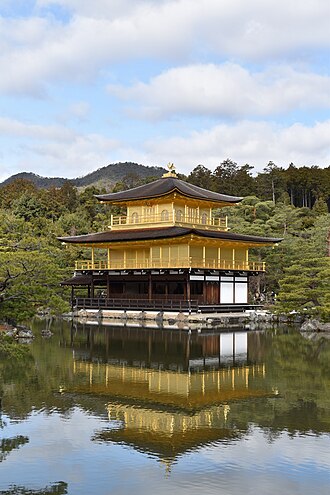
Kinkaku-ji, officially named Rokuon-ji, is a Zen Buddhist temple in Kyoto whose top two floors are entirely covered in gold leaf. Originally built in 1397 as a retirement villa for Shogun Ashikaga Yoshimitsu, it was converted into a temple after his death. The pavilion is reflected in the surrounding Kyoko-chi (Mirror Pond), creating one of Japan's most iconic images. The temple was infamously burned down by a young monk in 1950 and rebuilt in 1955, an event that inspired Yukio Mishima's novel 'The Temple of the Golden Pavilion.'
History & Origins
Originally constructed in 1397 CE as the retirement villa of Ashikaga Yoshimitsu, the third shogun of the Muromachi period, the pavilion was converted into a Zen Buddhist temple after his death. The top two floors are entirely covered in pure gold leaf, reflecting the opulence of Yoshimitsu’s era and the blending of aristocratic culture with religious function. In 1950, the pavilion was destroyed by arson committed by a novice monk, leading to a reconstruction completed in 1955 that faithfully replicated the original design. The temple belongs to the Rinzai sect of Zen Buddhism and is situated in a garden designed in the Muromachi period style, emphasizing harmony with nature. It has been designated a National Special Historic Site and a National Special Landscape in Japan.
Spiritual Significance
The temple functions as a symbol of the Pure Land of Buddha, representing the harmony between heaven and earth through its golden reflection in the surrounding pond. Visitors engage in meditation and contemplative walking through the temple gardens, which follow Zen principles of simplicity and tranquility. The pavilion’s three floors each represent different architectural styles and Buddhist concepts: the first floor is Shinden style, the second is Bukke style, and the third is Chinese Zen hall style, symbolizing the progression toward enlightenment. Seasonal festivals such as the Jodo-e ceremony celebrate Amida Buddha, to whom the temple is dedicated. The site reflects the Muromachi era’s fusion of secular power and Buddhist spirituality.
Key Facts
- •The top two floors are covered entirely in pure gold leaf
- •Originally built in 1397 as a retirement villa for Shogun Ashikaga Yoshimitsu
- •Burned down by a monk in 1950 and faithfully reconstructed in 1955
- •Designated a UNESCO World Heritage Site as part of the Historic Monuments of Ancient Kyoto
- •The garden is designed in the style of the Muromachi period and features islands symbolizing the Japanese creation myth
Location
Coordinates: 35.0394, 135.7292
Frequently Asked Questions
What religion is Kinkaku-ji (Golden Pavilion) associated with?▾
Kinkaku-ji (Golden Pavilion) is a Buddhism holy site located in Japan. It was established 1397 CE and is ranked #185 in our global directory of sacred sites.
When was Kinkaku-ji (Golden Pavilion) established?▾
Kinkaku-ji (Golden Pavilion) dates back to 1397 CE. The top two floors are covered entirely in pure gold leaf
How many people visit Kinkaku-ji (Golden Pavilion) each year?▾
Kinkaku-ji (Golden Pavilion) receives approximately 5+ million visitors per year. Originally built in 1397 as a retirement villa for Shogun Ashikaga Yoshimitsu
What is Kinkaku-ji (Golden Pavilion) known for?▾
A Zen Buddhist temple covered in gold leaf, reflected serenely in its mirror pond. Visitors come seeking peace, meditation, spiritual enlightenment, blessings. Burned down by a monk in 1950 and faithfully reconstructed in 1955
Related Holy Sites
Sacred places connected by country, religion, and purpose
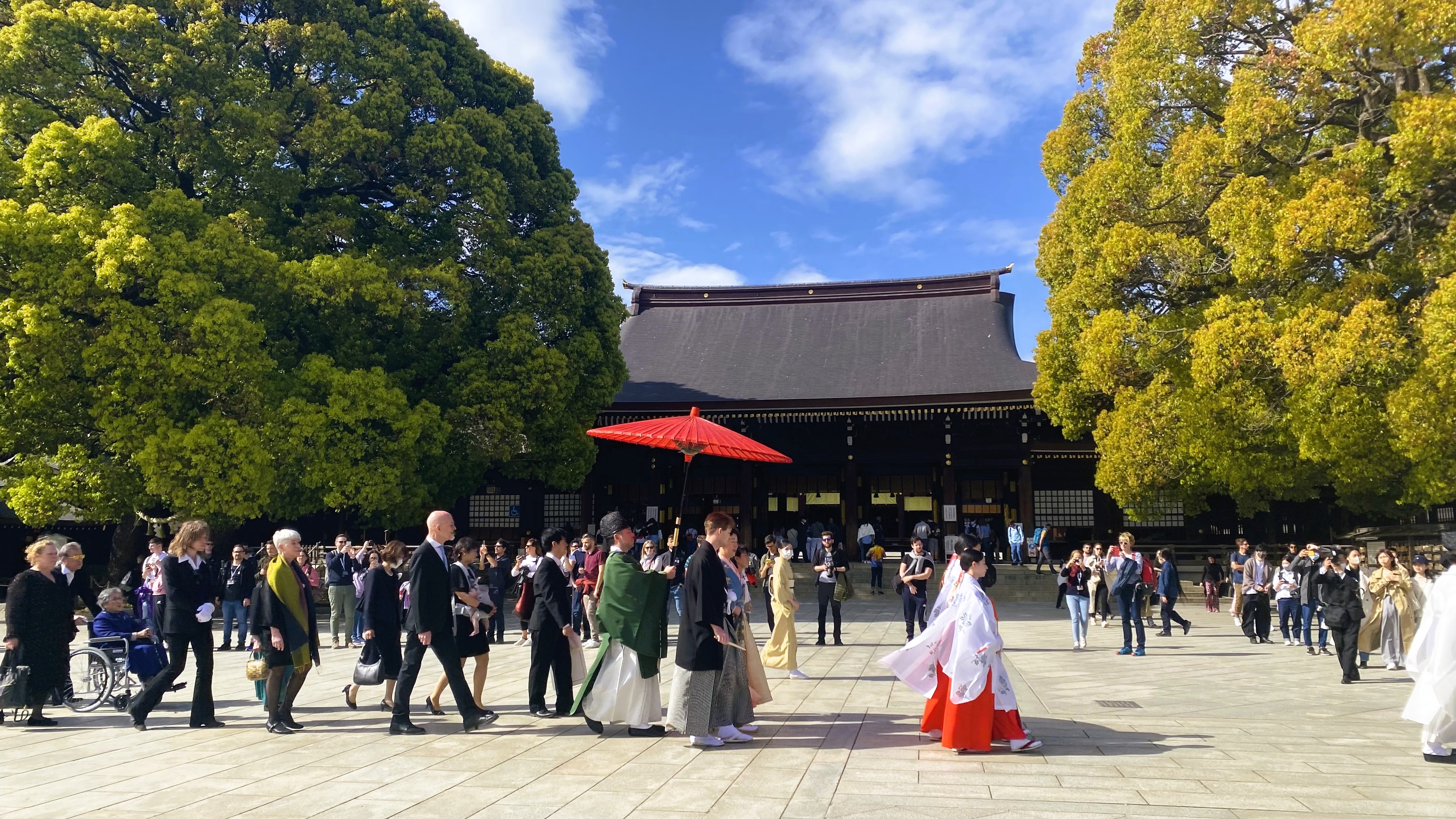
⛩️Meiji Shrine (Meiji Jingu)
Tokyo's most important Shinto shrine, set in a vast forest.
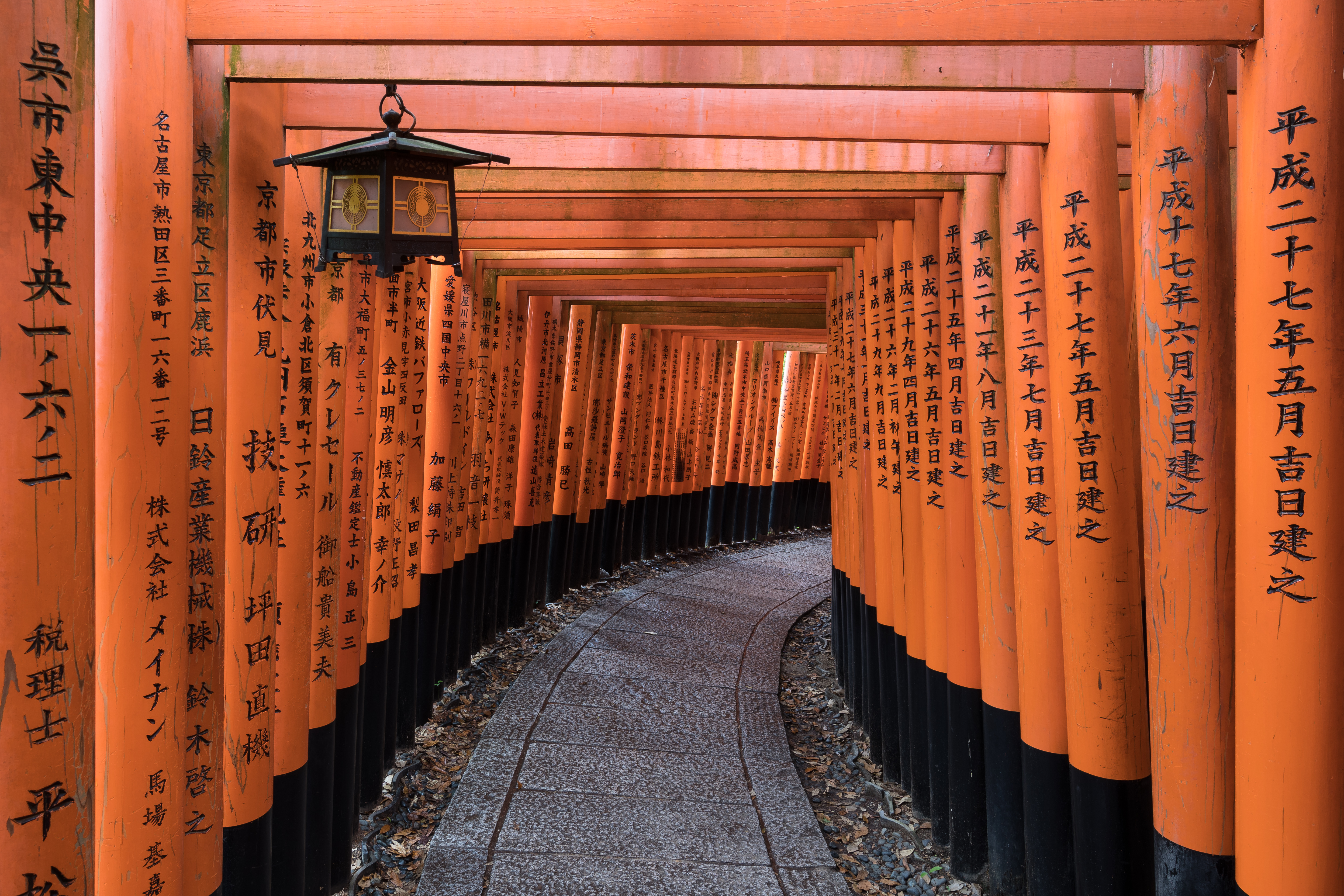
⛩️Fushimi Inari Taisha
Famous for its thousands of vermillion torii gates winding up a sacred mountain.
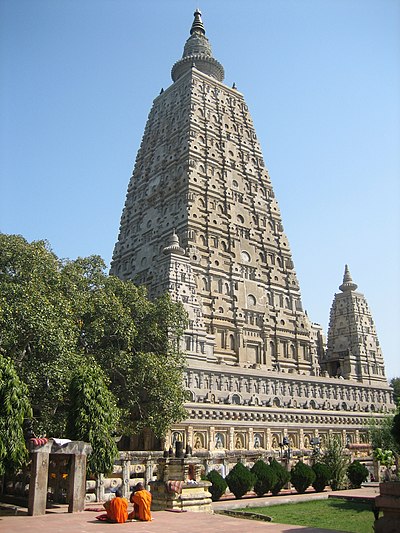
☸️Bodh Gaya (Mahabodhi Temple)
Where Siddhartha Gautama attained enlightenment and became the Buddha.
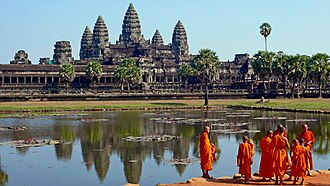
🛕Angkor Wat
The largest religious monument in the world, originally Hindu then Buddhist.