🙏 Kelaniya Raja Maha Vihara
Sri Lanka
About This Sacred Site
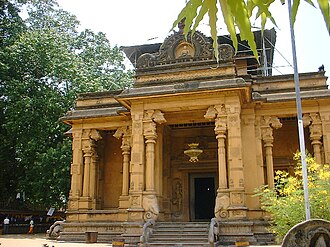
Kelaniya Raja Maha Vihara, located on the banks of the Kelani River near Colombo, is one of the most sacred Buddhist temples in Sri Lanka. According to the Mahavamsa (Great Chronicle), the Buddha visited this site during his third and final visit to Sri Lanka, preaching to the nagas (serpent deities) and sanctifying the location. The temple features stunning modern murals by the acclaimed Sri Lankan artist Solias Mendis, depicting the life of the Buddha and key events in Sri Lankan Buddhist history. The annual January Duruthu Perahera is one of Colombo's most colorful religious processions.
History & Origins
The temple is traditionally believed to have been visited by the Buddha himself in the 3rd century BCE during his third and final visit to Sri Lanka, as chronicled in the Mahavamsa. Initial construction is attributed to King Kelani Tissa, with significant renovations undertaken in the 18th century under Kandyan monarchs who commissioned the current structure. The temple features modern murals painted by Solias Mendis in the early 20th century, reflecting a revival of Buddhist art influenced by traditional Sinhalese styles. The site has undergone restorations after damage during colonial conflicts in the 17th century, preserving its status as a major pilgrimage center. Its location near the Kelani River made it a strategic religious and cultural hub throughout Sri Lankan history, with ongoing patronage from successive rulers.
Spiritual Significance
The belief that the Buddha preached here during his 3rd century BCE visit makes the temple a vital center for Theravada Buddhist pilgrimage, especially during the Duruthu Perahera festival held every January, featuring processions with drummers, dancers, and decorated elephants. Devotees engage in offerings and chanting of the Jataka tales, emphasizing the Buddha's previous lives as a teaching tool for moral conduct. Murals by Solias Mendis depict scenes from the life of the Buddha and are used during meditation and teaching sessions to inspire faith and concentration. Pilgrims often perform water rituals at the Kelani River adjacent to the temple, symbolizing purification and renewal. The temple serves as a site for observing the Uposatha days, with monastic recitations of the Patimokkha, reinforcing vinaya discipline and communal harmony grounded in the Pali Canon.
Key Facts
- •The Buddha is believed to have visited and preached at this site
- •Features striking modern murals by renowned Sri Lankan artist Solias Mendis
- •The Duruthu Perahera festival in January is one of Sri Lanka's grandest processions
- •Located on the banks of the Kelani River, just outside Colombo
- •The temple has been destroyed and rebuilt multiple times over two millennia
Location
Coordinates: 6.9611, 79.9197
Frequently Asked Questions
What religion is Kelaniya Raja Maha Vihara associated with?▾
Kelaniya Raja Maha Vihara is a Buddhism holy site located in Sri Lanka. It was established c. 3rd century BCE (traditional) and is ranked #367 in our global directory of sacred sites.
When was Kelaniya Raja Maha Vihara established?▾
Kelaniya Raja Maha Vihara dates back to c. 3rd century BCE (traditional). The Buddha is believed to have visited and preached at this site
How many people visit Kelaniya Raja Maha Vihara each year?▾
Kelaniya Raja Maha Vihara receives approximately 500,000+ visitors per year. Features striking modern murals by renowned Sri Lankan artist Solias Mendis
What is Kelaniya Raja Maha Vihara known for?▾
A historic temple where the Buddha is believed to have preached on his third visit to Sri Lanka. Visitors come seeking blessings, pilgrimage, peace, healing. The Duruthu Perahera festival in January is one of Sri Lanka's grandest processions
Related Holy Sites
Sacred places connected by country, religion, and purpose
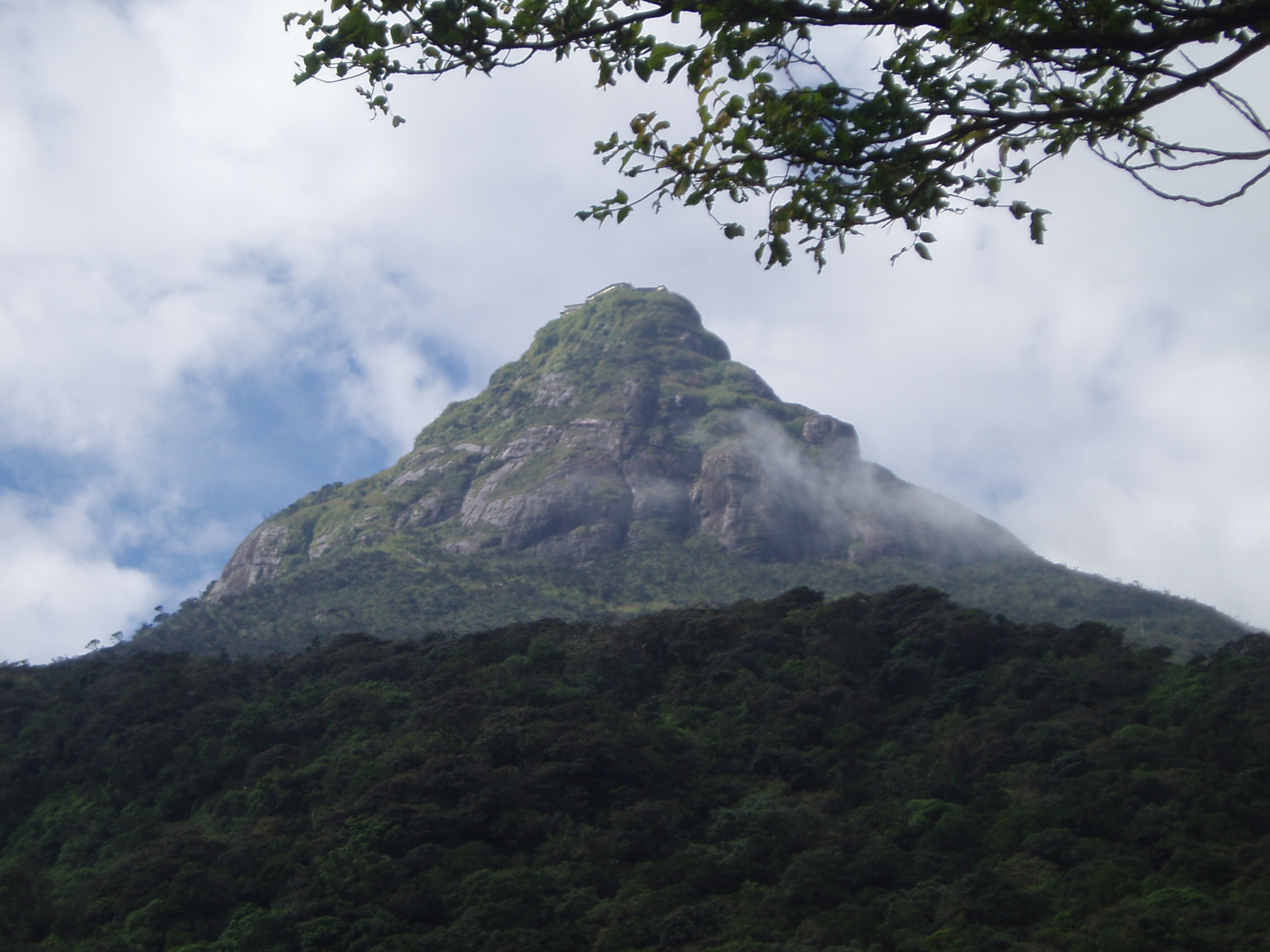
👣Sri Pada (Adam's Peak)
A sacred mountain with a footprint revered by four different religions.
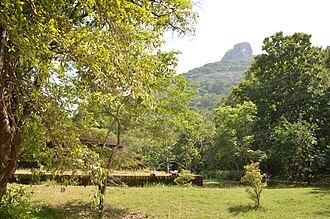
🌳Anuradhapura Sacred City
Sri Lanka's first ancient capital, home to the world's oldest known tree planted by humans.
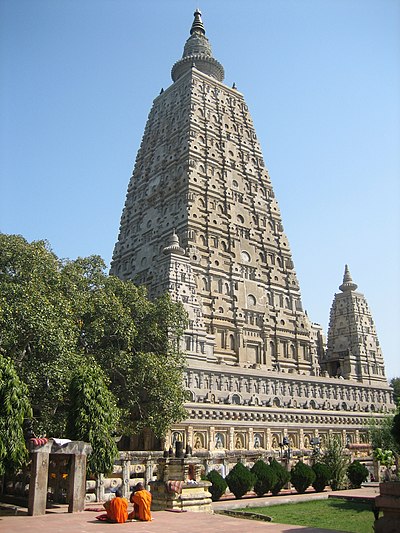
☸️Bodh Gaya (Mahabodhi Temple)
Where Siddhartha Gautama attained enlightenment and became the Buddha.
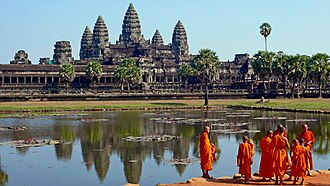
🛕Angkor Wat
The largest religious monument in the world, originally Hindu then Buddhist.