
👑 Kasubi Tombs
Uganda
About This Sacred Site
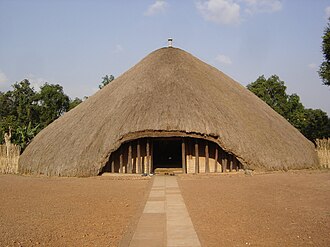
The Kasubi Tombs in Kampala are the burial grounds of four Kabakas (kings) of Buganda and a UNESCO World Heritage Site. The main structure, the Muzibu Azaala Mpanga, is one of the finest examples of traditional Ganda architecture. The site is an active religious place where the Baganda people come to pray, seek guidance from royal ancestors, and participate in rituals led by traditional spiritual guardians. Despite a devastating fire in 2010, the tombs have been rebuilt and remain central to Buganda spiritual identity.
Spiritual Significance
The Kasubi Tombs serve as the royal burial ground for four Kabakas of Buganda, including Muteesa I who established the site in 1882. The tombs' construction with organic materials such as wood, bark cloth, and thatch embodies the Buganda cosmology linking the living and ancestors, reflecting the spiritual doctrine found in Buganda oral traditions. Annual rituals like the Enkuuka y’Omwaka involve clan elders paying homage to the Kabakas interred there, invoking ancestral blessings for the kingdom's prosperity. Pilgrims often present bark cloth and traditional beer as offerings, practices rooted in the Buganda belief system emphasizing respect for lineage and continuity. The site’s UNESCO designation in 2001 acknowledges its cultural and spiritual role as a locus for Buganda identity and royal spirituality.
Key Facts
- •UNESCO World Heritage Site since 2001
- •Contains the tombs of four Kabakas (kings) of Buganda
- •The main tomb was built using organic materials — wood, bark cloth, and thatch
- •A fire in 2010 destroyed the main structure, which has since been rebuilt
- •Traditional spiritual guardians (Nalinya and Lubuga) maintain the sacred site
Location
Coordinates: 0.3297, 32.5514
Frequently Asked Questions
What religion is Kasubi Tombs associated with?▾
Kasubi Tombs is a Indigenous holy site located in Uganda. It was established 1882 and is ranked #632 in our global directory of sacred sites.
When was Kasubi Tombs established?▾
Kasubi Tombs dates back to 1882. UNESCO World Heritage Site since 2001
How many people visit Kasubi Tombs each year?▾
Kasubi Tombs receives approximately 80,000+ visitors per year. Contains the tombs of four Kabakas (kings) of Buganda
What is Kasubi Tombs known for?▾
A UNESCO-listed royal burial ground of the Buganda kings in Kampala, a living spiritual site. Visitors come seeking ancestral connection, guidance, protection, blessings. The main tomb was built using organic materials — wood, bark cloth, and thatch
Related Holy Sites
Sacred places connected by country, religion, and purpose

🪨Uluru (Ayers Rock)
A sacred monolith central to Aboriginal Australian creation stories.
🏔️Machu Picchu
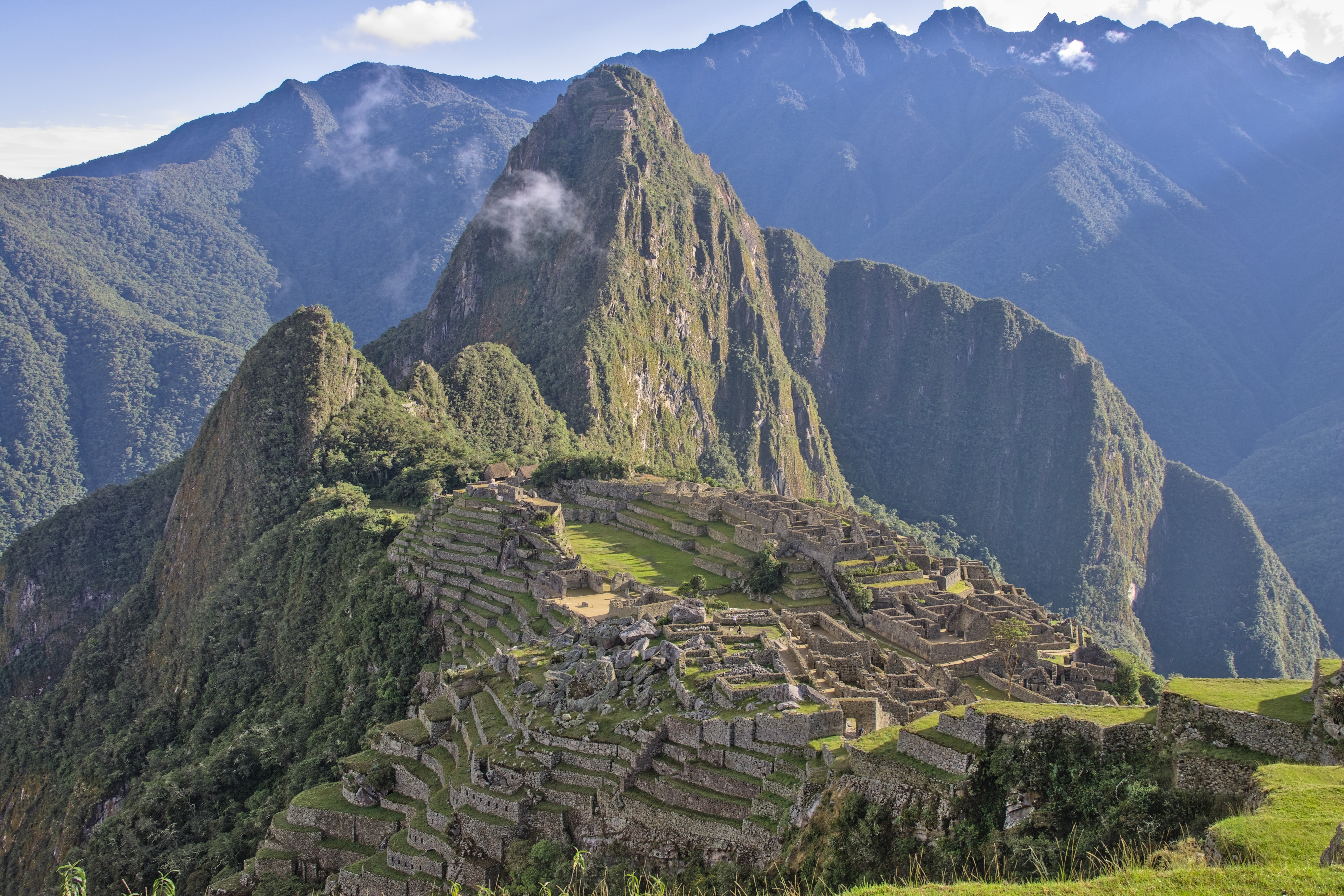
A sacred Inca citadel set high in the Andes, aligned with astronomical events.
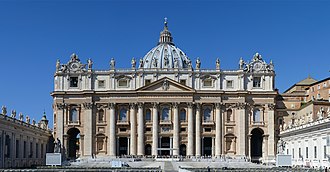
⛪Vatican City (St. Peter's Basilica)
The spiritual center of Roman Catholicism and home of the Pope.
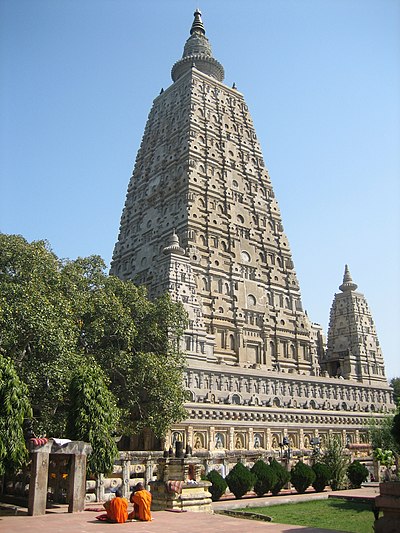
☸️Bodh Gaya (Mahabodhi Temple)
Where Siddhartha Gautama attained enlightenment and became the Buddha.

