🌸 Bahá'í Temple Kampala
Uganda
About This Sacred Site
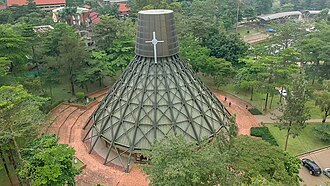
The Bahá'í House of Worship in Kampala, Uganda, known as the Mother Temple of Africa, was completed in 1961 and is the continent’s only Bahá'í temple. The structure features nine entrances symbolizing unity and inclusiveness, with a white concrete exterior and intricate ornamental details. It serves as a space for prayer and meditation open to all faiths, embodying Bahá'í principles of unity and peace. The temple has become a significant spiritual landmark in Uganda and a center for interfaith dialogue and community development.
Spiritual Significance
Completed in 1961 and known as the "Mother Temple of Africa," the Bahá'í Temple in Kampala is the continent's only Bahá'í House of Worship, symbolizing unity among all religions as taught in Bahá'í scriptures like the Kitáb-i-Aqdas. The nine-sided structure invites pilgrims from diverse backgrounds to engage in prayer and meditation, reflecting the Bahá'í principle of universal worship without clergy. The temple hosts regular devotional gatherings and the Nineteen Day Feast, a central Bahá'í community event combining worship, consultation, and socializing. Its architectural design incorporates symbols of light and openness, underscoring the Bahá'í belief in the oneness of humanity and the harmony of science and religion as emphasized by Bahá'u'lláh, the faith's prophet-founder.
Key Facts
- •One of only ten Bahá'í Houses of Worship in the world
- •The only Bahá'í temple on the African continent
- •Completed in 1961, known as the 'Mother Temple of Africa'
- •Open to people of all faiths for prayer and meditation
- •Features a distinctive green-tiled dome visible across Kampala
Location
Coordinates: 0.3294, 32.5942
Frequently Asked Questions
What religion is Bahá'í Temple Kampala associated with?▾
Bahá'í Temple Kampala is a Bahá'í holy site located in Uganda. It was established 1961 and is ranked #951 in our global directory of sacred sites.
When was Bahá'í Temple Kampala established?▾
Bahá'í Temple Kampala dates back to 1961. One of only ten Bahá'í Houses of Worship in the world
How many people visit Bahá'í Temple Kampala each year?▾
Bahá'í Temple Kampala receives approximately 50,000+ visitors per year. The only Bahá'í temple on the African continent
What is Bahá'í Temple Kampala known for?▾
The only Bahá'í House of Worship on the African continent, known as the 'Mother Temple of Africa.' Visitors come seeking peace, spiritual enlightenment, meditation, guidance. Completed in 1961, known as the 'Mother Temple of Africa'
Related Holy Sites
Sacred places connected by country, religion, and purpose