
🦇 Kasanka National Park (Bat Migration)
Zambia
About This Sacred Site
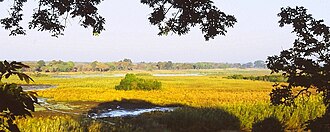
Kasanka National Park in central Zambia is the site of one of nature's most extraordinary phenomena: the annual arrival of approximately 10 million straw-colored fruit bats between October and December, the largest mammal migration on Earth. For local communities, the bat migration has deep spiritual significance, seen as a sign from the ancestors and a harbinger of the rainy season. The park also contains sacred sites within its mushitu (swamp forest) that are used for traditional ceremonies by local Lala people.
History & Origins
Kasanka National Park in Zambia was officially established in 1970 but has been ecologically significant for millennia, with indigenous communities recognizing its importance for centuries. The park covers approximately 390 square kilometers of miombo woodland and wetland habitats. It gained international attention due to the annual bat migration first documented scientifically in the 1980s, revealing an estimated 10 million straw-coloured fruit bats (Eidolon helvum) converging between October and December. Conservation efforts since the 1990s have focused on habitat protection, with local leaders collaborating with the Kasanka Trust founded in 1987 to manage the park sustainably. Kasanka's designation as a protected area followed increasing threats from poaching and deforestation in the 1960s. The park's unique ecology and cultural ties to the surrounding Lala and Bisa peoples have made it a model for community-based conservation in Zambia.
Spiritual Significance
Local Lala and Bisa communities regard Kasanka National Park's bat migration as a sacred event linked to ancestral spirits and agricultural fertility. Rituals performed at the onset of the migration include libations and dances intended to honor the bats as messengers between the living and ancestral realms. The bats are believed to carry prayers and blessings to the spirits, a belief reinforced during the annual Chisomo festival, which coincides with the bats' arrival. Pilgrimages to the park for these ceremonies involve traditional leaders and spiritual healers who invoke the guidance of ancestral deities through drumming and chant. Kasanka figures in indigenous cosmologies as a site of renewal and balance, with ecological stewardship entwined with spiritual mandates from elders and oral scriptures. The park's sacred status underpins community efforts to protect the bats and their habitat as part of cultural heritage preservation.
Key Facts
- •Host to the largest mammal migration on Earth — approximately 10 million fruit bats
- •The bats arrive each year between October and December
- •Local communities view the migration as spiritually significant and ancestrally connected
- •The park's mushitu (swamp forests) contain traditional sacred sites
- •One of Zambia's smallest national parks at only 390 square kilometers
Location
Coordinates: -12.5500, 29.2167
Frequently Asked Questions
What religion is Kasanka National Park (Bat Migration) associated with?▾
Kasanka National Park (Bat Migration) is a Indigenous holy site located in Zambia. It was established c. ancient and is ranked #978 in our global directory of sacred sites.
When was Kasanka National Park (Bat Migration) established?▾
Kasanka National Park (Bat Migration) dates back to c. ancient. Host to the largest mammal migration on Earth — approximately 10 million fruit bats
How many people visit Kasanka National Park (Bat Migration) each year?▾
Kasanka National Park (Bat Migration) receives approximately 5,000+ visitors per year. The bats arrive each year between October and December
What is Kasanka National Park (Bat Migration) known for?▾
A national park where the world's largest mammal migration — 10 million fruit bats — holds spiritual significance. Visitors come seeking ancestral connection, spiritual enlightenment, guidance, meditation. Local communities view the migration as spiritually significant and ancestrally connected
Related Holy Sites
Sacred places connected by country, religion, and purpose
🪨Uluru (Ayers Rock)
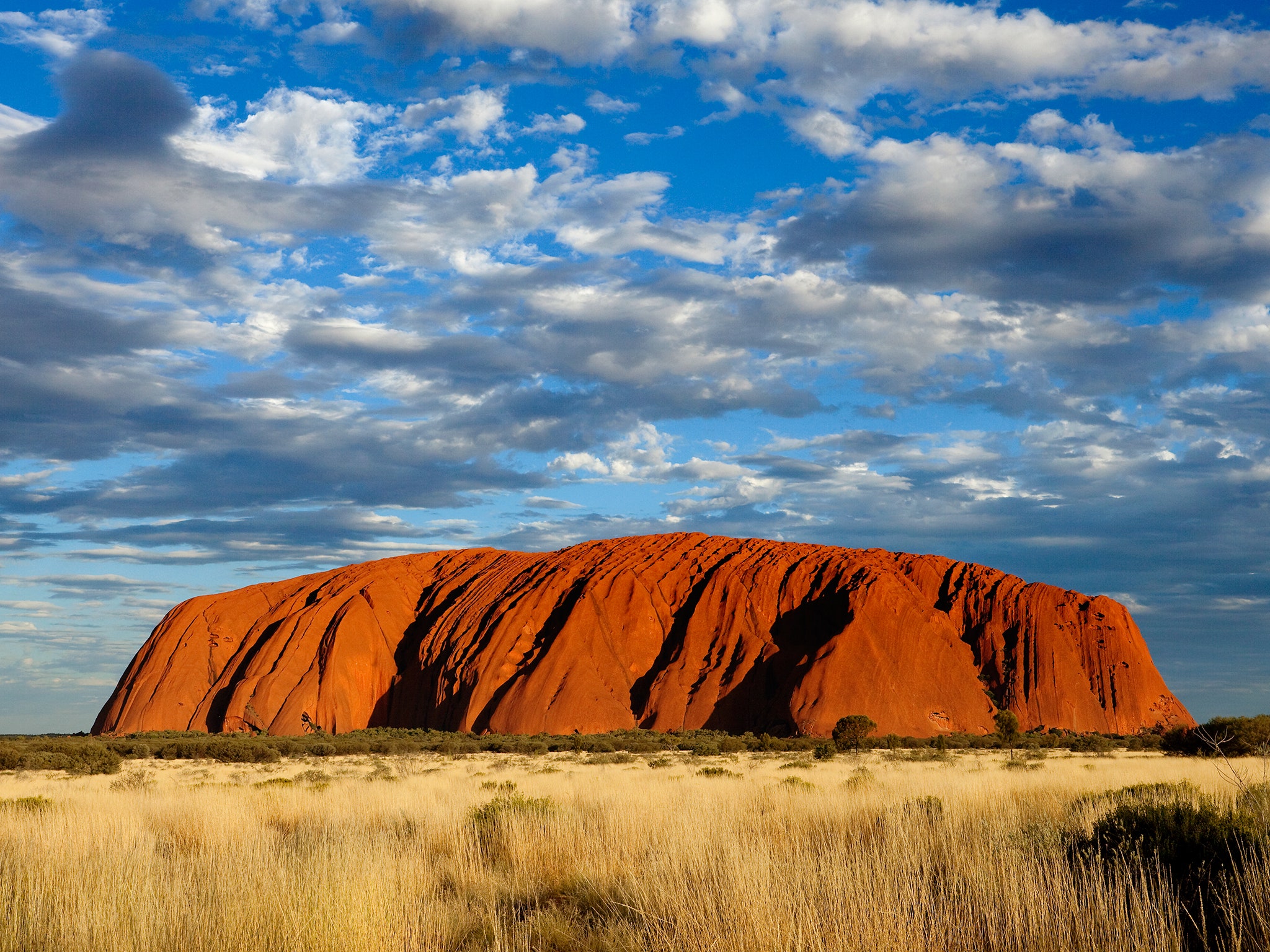
A sacred monolith central to Aboriginal Australian creation stories.
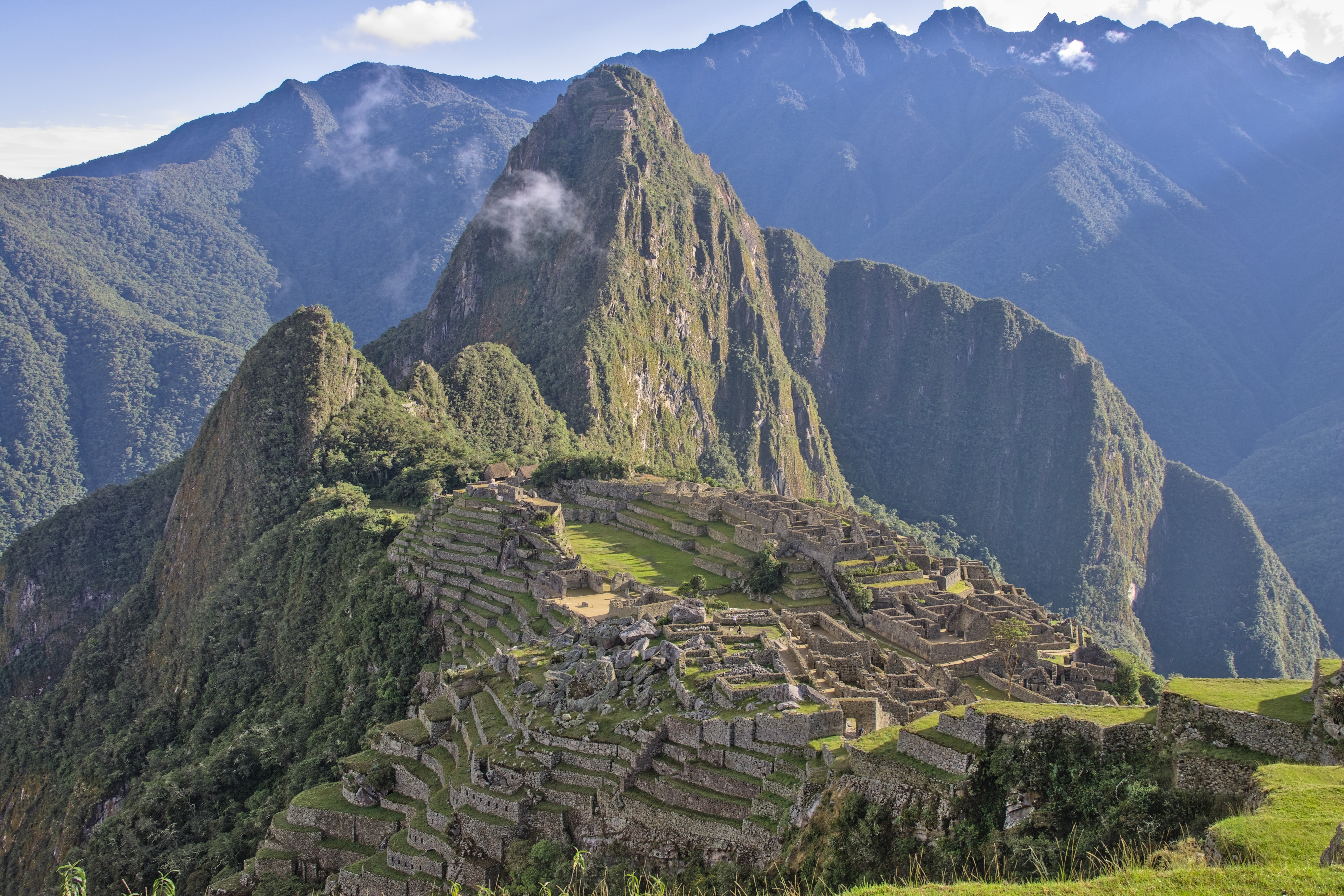
🏔️Machu Picchu
A sacred Inca citadel set high in the Andes, aligned with astronomical events.
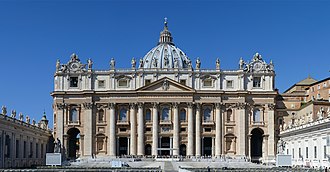
⛪Vatican City (St. Peter's Basilica)
The spiritual center of Roman Catholicism and home of the Pope.
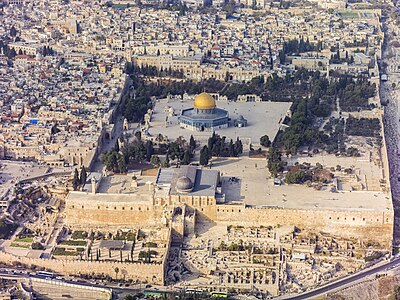
🕌Temple Mount / Al-Aqsa (Jerusalem)
Sacred to Judaism, Christianity, and Islam — the most contested holy site on Earth.

