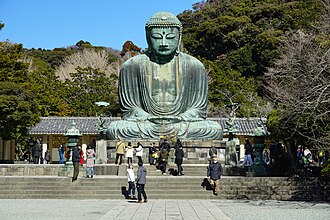
🧘 Kamakura Great Buddha (Kōtoku-in)
Japan
About This Sacred Site
The Kamakura Great Buddha, cast in bronze in 1252 CE, stands at 13.35 meters tall and weighs approximately 93 tons. It is situated on the grounds of Kōtoku-in temple in Kamakura, Japan, and is notable for its open-air setting after the original wooden hall housing it was destroyed by a tsunami in 1498. The statue represents Amida Buddha, reflecting the Jōdo-shū sect's emphasis on salvation through Amitābha. Its hollow interior allows visitors to enter and observe the thickness of the bronze walls, which range from 8 to 13 millimeters. The statue's serene expression and lotus pedestal are exemplary of Kamakura-period Buddhist sculpture, and its greenish patina results from centuries of weather exposure.
History & Origins
Commissioned in 1252 during the Kamakura period, the Great Buddha was originally housed within a large wooden hall. The statue was cast in bronze using advanced metallurgical techniques of the time. In 1495, a tsunami destroyed the temple housing the Daibutsu, leaving the statue exposed to the elements. Despite this, it has endured for centuries with periodic restorations preserving its structure and patina. The Great Buddha symbolizes the flourishing of Pure Land Buddhism in medieval Japan and remains a cherished cultural and religious icon attracting pilgrims and visitors worldwide.
Spiritual Significance
The statue serves as a focal point for Jōdo Buddhism, particularly for followers seeking rebirth in the Pure Land, as described in the Larger Sukhāvatīvyūha Sūtra. Annual ceremonies include the Obon festival in August, during which lanterns are lit to honor ancestral spirits, and rituals invoking Amida Buddha's compassion. Pilgrims engage in chanting the Nembutsu mantra "Namu Amida Butsu" as an expression of faith and devotion. The site also attracts practitioners of meditation and recitation, emphasizing faith in Amitābha's vow for salvation. The Great Buddha functions as a symbol of resilience and the impermanence taught in Buddhist doctrine, having withstood natural disasters over centuries. Its status within Kamakura's spiritual landscape links to the city's historical role as a political and religious center during the Kamakura shogunate.
Key Facts
- •Stands 13.35 meters tall and weighs approximately 93 tons
- •Cast in 1252 during the Kamakura period
- •Has sat in the open air since a tsunami destroyed its housing in 1498
- •Visitors can enter the hollow interior of the statue
- •The face alone is 2.35 meters long
Location
Coordinates: 35.3167, 139.5356
Frequently Asked Questions
What religion is Kamakura Great Buddha (Kōtoku-in) associated with?▾
Kamakura Great Buddha (Kōtoku-in) is a Buddhism holy site located in Japan. It was established 1252 CE and is ranked #46 in our global directory of sacred sites.
When was Kamakura Great Buddha (Kōtoku-in) established?▾
Kamakura Great Buddha (Kōtoku-in) dates back to 1252 CE. Stands 13.35 meters tall and weighs approximately 93 tons
How many people visit Kamakura Great Buddha (Kōtoku-in) each year?▾
Kamakura Great Buddha (Kōtoku-in) receives approximately 1.2 million visitors per year. Cast in 1252 during the Kamakura period
What is Kamakura Great Buddha (Kōtoku-in) known for?▾
A monumental bronze Buddha statue that has sat in the open air for 500 years. Visitors come seeking peace, meditation, blessings, guidance. Has sat in the open air since a tsunami destroyed its housing in 1498
Related Holy Sites
Sacred places connected by country, religion, and purpose
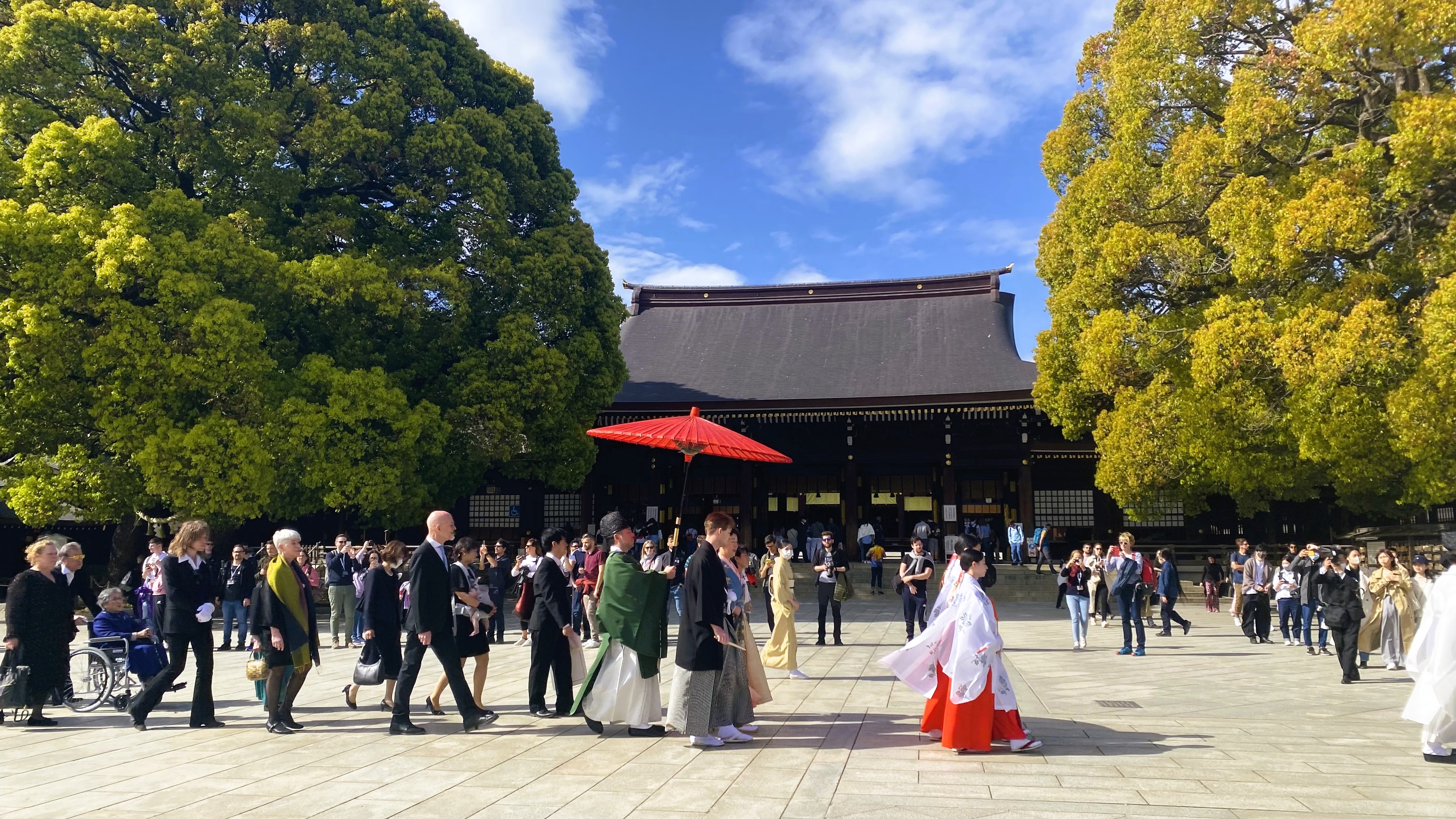
⛩️Meiji Shrine (Meiji Jingu)
Tokyo's most important Shinto shrine, set in a vast forest.
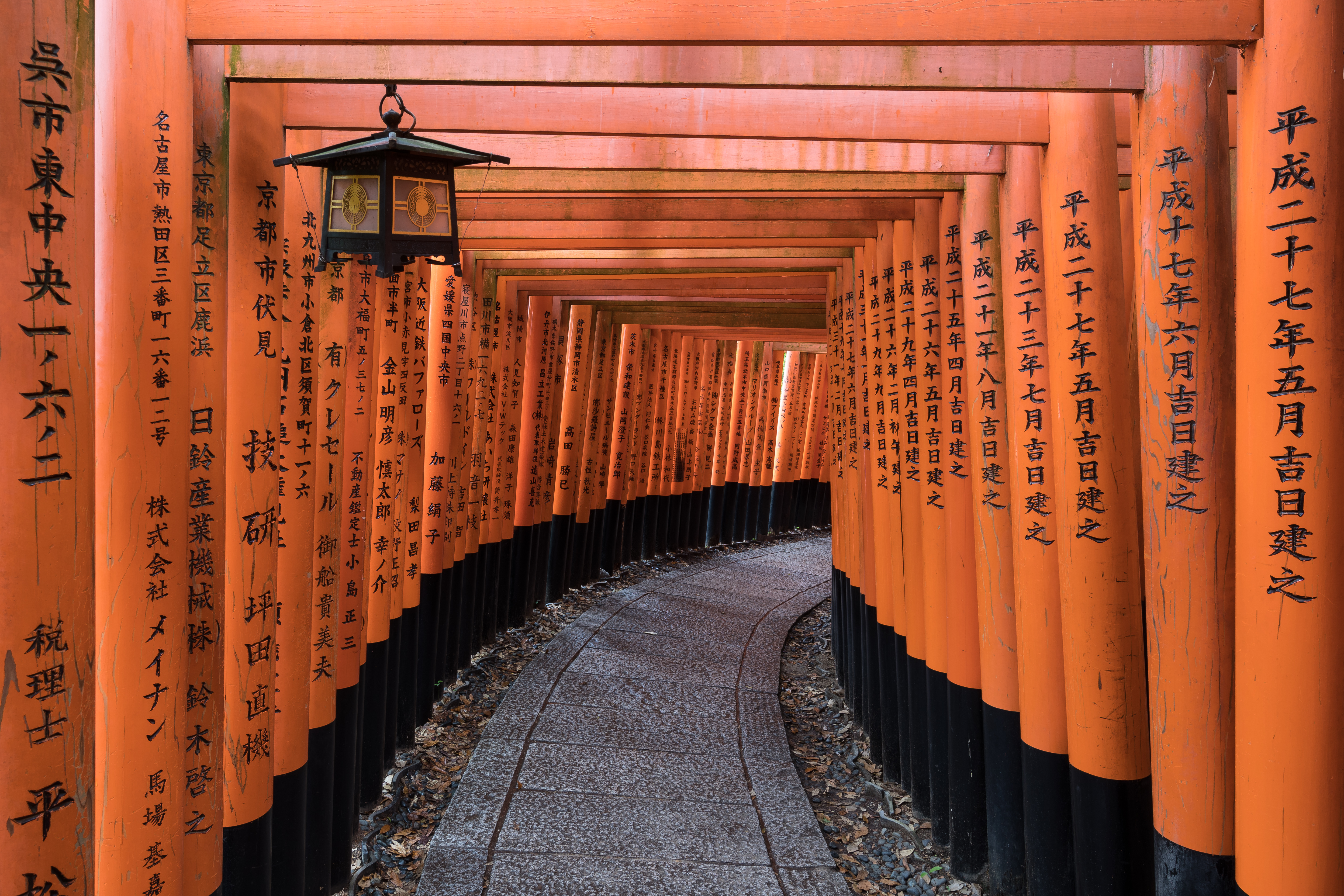
⛩️Fushimi Inari Taisha
Famous for its thousands of vermillion torii gates winding up a sacred mountain.
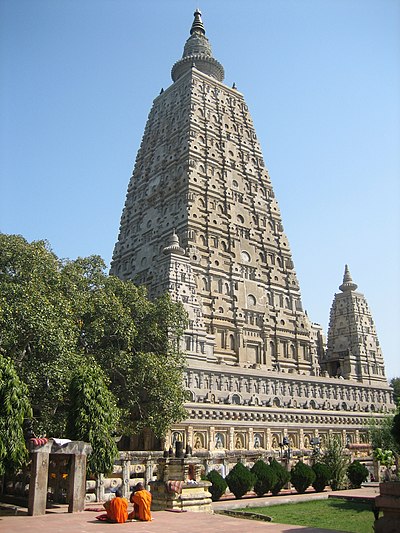
☸️Bodh Gaya (Mahabodhi Temple)
Where Siddhartha Gautama attained enlightenment and became the Buddha.
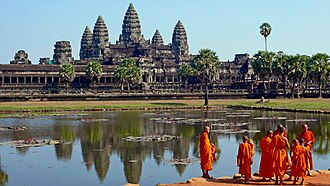
🛕Angkor Wat
The largest religious monument in the world, originally Hindu then Buddhist.