🕌 Imam Husayn Shrine
Iraq
About This Sacred Site
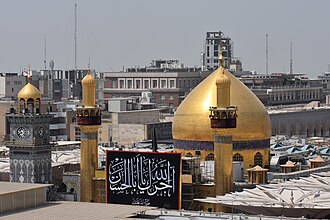
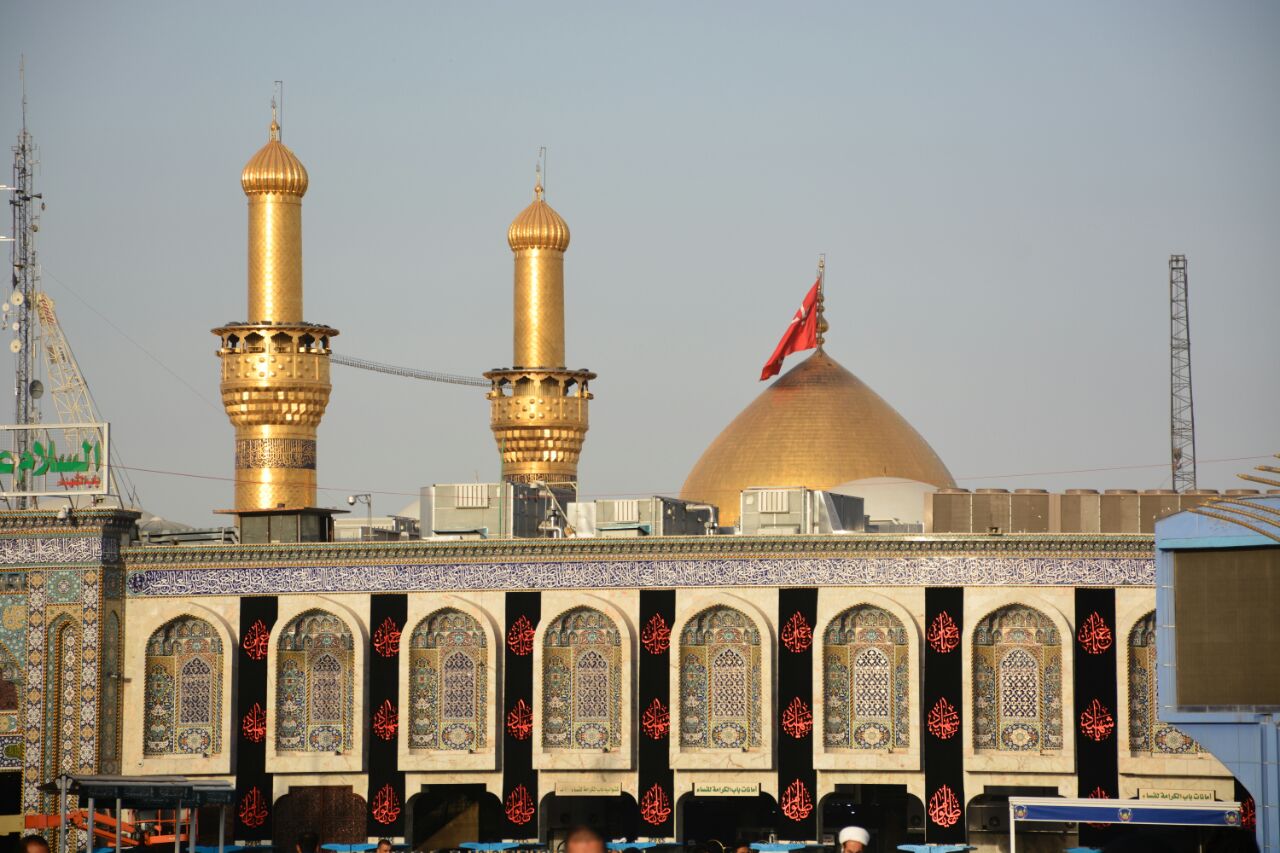
The Imam Husayn Shrine in Karbala, Iraq, features a large courtyard surrounded by walls adorned with intricate blue and gold tile mosaics dating from the Ottoman period. The shrine's golden dome measures approximately 27 meters in diameter and is topped with a finial and crescent. The complex includes two minarets rising about 36 meters, decorated with Quranic inscriptions in Thuluth script. The shrine's inner sanctum houses the tomb of Imam Husayn ibn Ali, the grandson of Prophet Muhammad, marked by a silver-enclosed zarih (lattice structure). The walls are covered with mirror mosaics and calligraphic panels, and the entire site covers roughly 28,000 square meters. The shrine has been reconstructed multiple times due to destruction, including a major Ottoman restoration in the 17th century and repairs after damage in the 1991 Gulf War.
History & Origins
Constructed shortly after Husayn ibn Ali was martyred in 684 CE, the Imam Husayn Shrine has been expanded and renovated by successive rulers including the Abbasids, Safavids, and Ottomans. Despite destruction during conflicts, the shrine’s significance as a center of Shia identity and resistance has persisted. It has undergone modern restorations to accommodate increasing pilgrims. The site symbolizes the struggle for justice in Shia theology and remains a powerful cultural and religious landmark in Iraq.
Spiritual Significance
The shrine marks the exact location where Imam Husayn was martyred during the Battle of Karbala in 680 CE, a seminal event in Shia Islam commemorated annually on Ashura. The Arbaeen pilgrimage, occurring 40 days after Ashura, draws up to 20 million pilgrims who walk from various parts of Iraq and beyond, performing rituals of mourning, prayer, and self-flagellation as acts of devotion. Recitations of Ziyarat Ashura and sermons recount Husayn's stand for justice, emphasizing themes from the Nahj al-Balagha and various hadith collections. The shrine serves as a center for theological study and ritual gatherings, especially during Muharram and Safar. Rituals include touching and kissing the zarih, and offerings of prayer beads and cloth. The shrine's spiritual authority is reinforced by Shia scholars, including the maraji, who guide pilgrims in practices of remembrance and ethical conduct.
Key Facts
- •Marks the site where Imam Husayn was martyred in 680 CE
- •The Arbaeen pilgrimage draws up to 20 million people annually
- •Has been destroyed and rebuilt multiple times throughout history
- •The golden dome was completed in 1817
- •The Battle of Karbala is the defining event of Shia Islam
Location
Coordinates: 32.6166, 44.0324
Frequently Asked Questions
What religion is Imam Husayn Shrine associated with?▾
Imam Husayn Shrine is a Islam holy site located in Iraq. It was established 684 CE and is ranked #213 in our global directory of sacred sites.
When was Imam Husayn Shrine established?▾
Imam Husayn Shrine dates back to 684 CE. Marks the site where Imam Husayn was martyred in 680 CE
How many people visit Imam Husayn Shrine each year?▾
Imam Husayn Shrine receives approximately 20+ million visitors per year. The Arbaeen pilgrimage draws up to 20 million people annually
What is Imam Husayn Shrine known for?▾
The shrine of Imam Husayn in Karbala, site of the pivotal Battle of Karbala in 680 CE. Visitors come seeking pilgrimage, forgiveness, healing, salvation. Has been destroyed and rebuilt multiple times throughout history
Related Holy Sites
Sacred places connected by country, religion, and purpose