⛪ Havana Cathedral
Cuba
About This Sacred Site
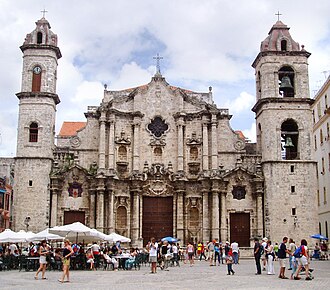
The Cathedral of the Virgin Mary of the Immaculate Conception (Catedral de La Habana) is a Baroque church in the Plaza de la Catedral in Old Havana, a UNESCO World Heritage Site. Built between 1748 and 1777 by Jesuit missionaries, the cathedral's asymmetrical twin bell towers and coral limestone facade make it one of the finest examples of Baroque architecture in the Caribbean. For over a century, it was believed to house the remains of Christopher Columbus before they were transferred to Seville in 1898.
History & Origins
Constructed between 1748 and 1777, Havana Cathedral was built by the Jesuit order using locally quarried coral limestone, lending the façade a distinctive warm hue and texture. The cathedral's design features two bell towers of intentionally differing widths; the left tower is wider than the right, an uncommon asymmetry in Baroque architecture that symbolizes the balance between strength and delicacy. The cathedral was consecrated in 1777 and served as the seat of the Archbishop of Havana. After the expulsion of Jesuits in 1767, the building came under diocesan control, with various modifications including the installation of intricate baroque altarpieces carved by Cuban artisans. The interior houses a pipe organ installed in the 19th century, one of the oldest in the Caribbean. Restoration efforts in the 20th century focused on preserving the coral stone façade and the ornate wooden ceiling. The cathedral is situated in Old Havana's Plaza de la Catedral, contributing to the UNESCO World Heritage site's historic urban landscape. It continues to function as a place of worship and cultural heritage landmark.
Spiritual Significance
The cathedral is central to Havana's religious life, hosting the feast of the Immaculate Conception on December 8, which includes processions and special masses drawing thousands of worshippers. It contains relics of St. Christopher, the city’s patron saint, emphasizing its role in local devotional practices. The cathedral has been a site for ordinations, baptisms, and confirmations since the 18th century, preserving Catholic sacramental traditions. Its liturgy follows the Roman Rite, with hymns and prayers aligned with Cuban Catholic customs. The cathedral also participates in the annual Festival of Saint Christopher, involving pilgrim processions through Old Havana. Theological teachings emphasize Marian doctrines, reflecting the building’s dedication, and it remains a symbol of resilience through Cuba's colonial and revolutionary histories.
Key Facts
- •Built by Jesuits between 1748 and 1777 from blocks of local coral limestone
- •The two bell towers are deliberately different widths — a rare asymmetry in Baroque design
- •Believed to have housed the remains of Christopher Columbus from 1796 to 1898
- •Located in the UNESCO World Heritage-listed historic center of Old Havana
- •The facade's coral limestone is embedded with fossilized marine organisms
Location
Coordinates: 23.1416, -82.3516
Frequently Asked Questions
What religion is Havana Cathedral associated with?▾
Havana Cathedral is a Christianity holy site located in Cuba. It was established 1777 and is ranked #413 in our global directory of sacred sites.
When was Havana Cathedral established?▾
Havana Cathedral dates back to 1777. Built by Jesuits between 1748 and 1777 from blocks of local coral limestone
How many people visit Havana Cathedral each year?▾
Havana Cathedral receives approximately 500,000 visitors per year. The two bell towers are deliberately different widths — a rare asymmetry in Baroque design
What is Havana Cathedral known for?▾
An 18th-century Baroque cathedral in Old Havana, once believed to house Columbus's remains. Visitors come seeking blessings, guidance, pilgrimage, peace. Believed to have housed the remains of Christopher Columbus from 1796 to 1898
Related Holy Sites
Sacred places connected by country, religion, and purpose
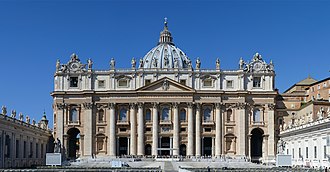
⛪Vatican City (St. Peter's Basilica)
The spiritual center of Roman Catholicism and home of the Pope.
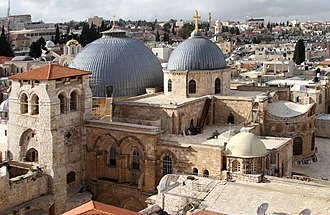
✝️Church of the Holy Sepulchre
The site where Jesus was crucified, buried, and resurrected.