⛪ Basilica of Our Lady of Charity (El Cobre)
Cuba
About This Sacred Site
The Basilica of Our Lady of Charity of El Cobre, Cuba’s foremost Catholic pilgrimage site, is located near Santiago de Cuba. Founded in 1612 with the current basilica completed in 1927, it houses the statue of the Virgin of Charity, Cuba’s patroness. The shrine attracts thousands annually who seek blessings and protection. Architecturally, the basilica blends neoclassical and baroque elements. Beyond Catholic devotion, the site holds cultural significance linking Afro-Cuban Santería traditions, underscoring Cuba’s religious syncretism and national identity.
History & Origins
The Basilica of Our Lady of Charity, located near Santiago de Cuba, traces its origins to 1612 when the statue of the Virgin was reportedly found floating in the Bay of Nipe by two indigenous brothers and a slave boy. The original shrine was modest, but due to growing veneration, a church was constructed on the site in the 17th century. The current basilica structure was completed in 1927, designed in a neoclassical style with a grand dome and twin bell towers. Pope Benedict XV officially declared Our Lady of Charity the patroness of Cuba in 1916, solidifying the basilica's importance as a national religious symbol. The site incorporates Afro-Cuban religious syncretism, blending Catholic and Yoruba beliefs, which is reflected in the annual pilgrimage held every September 8th, attracting thousands of devotees. The basilica underwent significant restoration in the 1980s to preserve its structural integrity and artistic treasures. It remains an active pilgrimage destination, housing the revered statue under a richly decorated altar and hosting numerous religious ceremonies throughout the year.
Spiritual Significance
The basilica serves as the spiritual center for the veneration of Our Lady of Charity, Cuba's patroness, with annual pilgrimages culminating on September 8, the feast day commemorating the Virgin's discovery. Devotees perform rituals such as laying offerings of flowers and candles at the statue's altar and participating in processions that trace historic routes from Santiago de Cuba to El Cobre. The statue is syncretically linked to Yoruba religious traditions, identified with the goddess Ochún, reflecting Cuba's Afro-Cuban spiritual heritage. Theological teachings emphasize the Virgin's role as a protector and unifier, often invoking her during times of social and political hardship. Prayers recited include the Hail Mary and specific novenas dedicated to Our Lady of Charity, as codified by Cuban Catholic liturgy. The site attracts pilgrims seeking healing, intercession, and national identity affirmation.
Key Facts
- •The statue of the Virgin was reportedly found floating in the Bay of Nipe around 1612
- •Our Lady of Charity is the patroness of Cuba, declared by Pope Benedict XV in 1916
- •Syncretized with the Yoruba orisha Ochún in the Santería tradition
- •Ernest Hemingway donated his Nobel Prize medal to the basilica (later stolen and recovered)
- •Pope Benedict XVI and Pope Francis both visited the shrine during their trips to Cuba
Location
Coordinates: 20.0537, -75.9373
Frequently Asked Questions
What religion is Basilica of Our Lady of Charity (El Cobre) associated with?▾
Basilica of Our Lady of Charity (El Cobre) is a Christianity holy site located in Cuba. It was established 1612 (current basilica 1927) and is ranked #724 in our global directory of sacred sites.
When was Basilica of Our Lady of Charity (El Cobre) established?▾
Basilica of Our Lady of Charity (El Cobre) dates back to 1612 (current basilica 1927). The statue of the Virgin was reportedly found floating in the Bay of Nipe around 1612
How many people visit Basilica of Our Lady of Charity (El Cobre) each year?▾
Basilica of Our Lady of Charity (El Cobre) receives approximately 500,000 visitors per year. Our Lady of Charity is the patroness of Cuba, declared by Pope Benedict XV in 1916
What is Basilica of Our Lady of Charity (El Cobre) known for?▾
Cuba's national shrine, dedicated to the patroness of Cuba whose image was found floating at sea. Visitors come seeking miracles, healing, protection, pilgrimage. Syncretized with the Yoruba orisha Ochún in the Santería tradition
Related Holy Sites
Sacred places connected by country, religion, and purpose
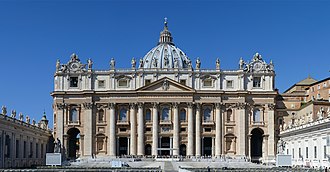
⛪Vatican City (St. Peter's Basilica)
The spiritual center of Roman Catholicism and home of the Pope.
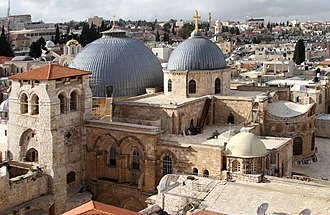
✝️Church of the Holy Sepulchre
The site where Jesus was crucified, buried, and resurrected.