
🏛️ Gedi Ruins
Kenya
About This Sacred Site
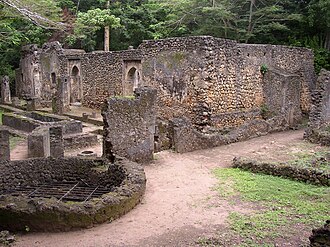
The Gedi Ruins, located near the Indian Ocean coast in Kenya, date back to the 1100s CE and represent a once-prosperous Swahili town covering approximately 45 acres. The site includes well-preserved coral stone structures such as a Great Mosque with a courtyard and mihrab, a Friday mosque for communal prayers, and an elaborate palace complex with multiple rooms and courtyards. Archaeological excavations have uncovered Chinese porcelain and Venetian glass beads, indicating extensive trade networks. The town features a sophisticated water system with stone-lined wells and a complex of stone houses arranged along narrow streets, reflecting advanced urban planning. The settlement was mysteriously abandoned in the 17th century, leaving its architecture frozen in time.
History & Origins
Gedi flourished between the 11th and 17th centuries as a prosperous trading town engaged in commerce with Arabia, Persia, India, and China. The settlement is notable for its sophisticated water management and stone architecture, which have survived centuries of abandonment. The reasons for Gedi’s decline remain uncertain, but it was likely due to shifting trade routes or environmental changes. Rediscovered in the 20th century, the ruins have been excavated and preserved, revealing insights into Swahili social structure, Islamic influence, and coastal trade dynamics during the medieval period.
Spiritual Significance
Gedi served as a significant Islamic religious center along the East African coast, with its Great Mosque facilitating daily prayers and Friday congregational worship following Quranic prescriptions. Rituals at the mosque included recitations from the Quran and observances of Islamic festivals like Eid al-Fitr and Eid al-Adha. The presence of a palace complex suggests the integration of spiritual and political authority, with local rulers possibly acting as custodians of religious law. Pilgrimage to the site historically involved visiting tombs of revered figures within the town, believed to possess baraka (blessings). Contemporary visitors and scholars acknowledge Gedi’s role in spreading Islam in the region, preserving religious artifacts and inscriptions that reflect theological teachings from the 12th century onward.
Key Facts
- •The town was mysteriously abandoned in the 17th century
- •Contains a Great Mosque, a Friday mosque, and a palace complex
- •Chinese porcelain and Venetian glass beads found at the site attest to its trading connections
- •Local communities believe the ruins are inhabited by spirits
- •Designated a national monument of Kenya and a protected archaeological site
Location
Coordinates: -3.3094, 40.0178
Frequently Asked Questions
What religion is Gedi Ruins associated with?▾
Gedi Ruins is a Islam holy site located in Kenya. It was established c. 1100s CE and is ranked #830 in our global directory of sacred sites.
When was Gedi Ruins established?▾
Gedi Ruins dates back to c. 1100s CE. The town was mysteriously abandoned in the 17th century
How many people visit Gedi Ruins each year?▾
Gedi Ruins receives approximately 50,000+ visitors per year. Contains a Great Mosque, a Friday mosque, and a palace complex
What is Gedi Ruins known for?▾
Mysterious ruins of a medieval Swahili town with mosques and a palace in the Kenyan forest. Visitors come seeking ancestral connection, spiritual enlightenment, guidance, peace. Chinese porcelain and Venetian glass beads found at the site attest to its trading connections
Related Holy Sites
Sacred places connected by country, religion, and purpose

⛪Vatican City (St. Peter's Basilica)
The spiritual center of Roman Catholicism and home of the Pope.

🕌Temple Mount / Al-Aqsa (Jerusalem)
Sacred to Judaism, Christianity, and Islam — the most contested holy site on Earth.

