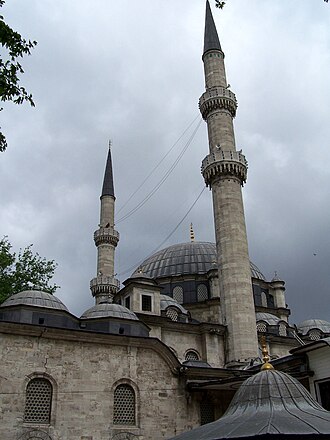
🕌 Eyüp Sultan Mosque
Turkey
About This Sacred Site
The Eyüp Sultan Mosque in Istanbul is built at the supposed burial site of Abu Ayyub al-Ansari, the Prophet Muhammad's companion and standard-bearer, who died during the first Arab siege of Constantinople in 674-678 CE. His tomb was reportedly rediscovered by Mehmed the Conqueror's spiritual advisor during the 1453 conquest, and the mosque was the first built in Istanbul after the Ottoman conquest. It is the holiest Islamic site in Istanbul and the third-most sacred mosque in the Islamic world after those in Mecca and Medina according to Ottoman tradition.
Spiritual Significance
Constructed in 1458, five years after the Ottoman conquest of Constantinople, the mosque marks the burial place of Abu Ayyub al-Ansari, the Prophet Muhammad’s companion who hosted him during Medina's early Islamic period. Ottoman sultans traditionally performed girding of the sword ceremonies here, symbolizing their role as defenders of Islam. The mosque complex includes a türbe (mausoleum) visited by pilgrims who engage in ziyarat, offering prayers and touching the tomb for blessings. Annual Mawlid celebrations commemorate the Prophet’s birth with Quranic recitations and Sufi dhikr rituals conducted in the adjacent courtyard. The site embodies Ottoman imperial piety, reflecting the theological principle of wilaya (holy authority) embodied by the sahaba buried here. Pilgrims often perform ritual ablutions at the fountain built by Sultan Suleiman the Magnificent, reinforcing spiritual purification before prayer.
Key Facts
- •Abu Ayyub al-Ansari hosted the Prophet Muhammad when he first arrived in Medina
- •The first mosque built in Istanbul after the Ottoman conquest of 1453
- •Ottoman sultans were girded with the Sword of Osman here — equivalent to a coronation
- •The tomb was rediscovered during the siege of Constantinople in 1453
- •The Pierre Loti Café hill above offers panoramic views of the Golden Horn
Location
Coordinates: 41.0478, 28.9344
Frequently Asked Questions
What religion is Eyüp Sultan Mosque associated with?▾
Eyüp Sultan Mosque is a Islam holy site located in Turkey. It was established 1458 and is ranked #332 in our global directory of sacred sites.
When was Eyüp Sultan Mosque established?▾
Eyüp Sultan Mosque dates back to 1458. Abu Ayyub al-Ansari hosted the Prophet Muhammad when he first arrived in Medina
How many people visit Eyüp Sultan Mosque each year?▾
Eyüp Sultan Mosque receives approximately 2 million visitors per year. The first mosque built in Istanbul after the Ottoman conquest of 1453
What is Eyüp Sultan Mosque known for?▾
Istanbul's holiest mosque, built at the reputed burial place of the Prophet Muhammad's standard-bearer. Visitors come seeking blessings, pilgrimage, forgiveness, peace. Ottoman sultans were girded with the Sword of Osman here — equivalent to a coronation
Related Holy Sites
Sacred places connected by country, religion, and purpose
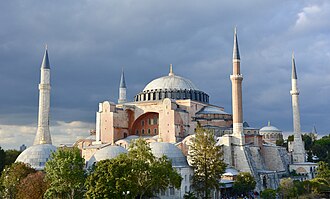
🏛️Hagia Sophia
A masterpiece that served as cathedral, mosque, and museum across centuries.
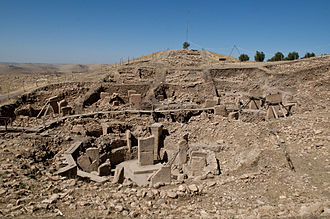
🏛️Göbekli Tepe
The world's oldest known temple, predating Stonehenge by 6,000 years.