⛰️ Dryanovo Monastery
Bulgaria
About This Sacred Site
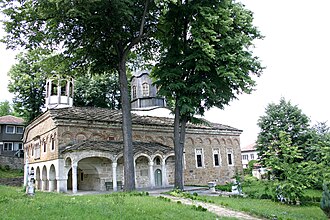
Dryanovo Monastery is situated at the entrance to the Dryanovo Gorge in the Balkan Mountains, a setting that combines natural beauty with historical gravity. Founded in the 12th century, the monastery was repeatedly destroyed and rebuilt, reflecting the turbulent history of the Bulgarian lands. Its most celebrated moment came in 1876 during the April Uprising against Ottoman rule, when revolutionary fighters used the monastery and nearby Bacho Kiro cave as a fortress. The defenders held out for nine days before being overwhelmed. Today it serves as both an active monastery and a memorial to Bulgarian independence.
Spiritual Significance
Established in the 12th century at the entrance to Dryanovo Gorge, the monastery is dedicated to the Assumption of the Virgin Mary, a feast celebrated annually on August 15 with a liturgy following the Eastern Orthodox calendar. Pilgrims often participate in the 'Holy Liturgy of the Monastic Brotherhood' led by the abbot, commemorating the monastery's resilience during the 1876 April Uprising when Bulgarian revolutionary fighters defended it for nine days, blending national history with spiritual devotion. The monastery follows the Athonite monastic rule, emphasizing asceticism and continuous prayer, with icons of St. John of Rila prominently venerated, reflecting Bulgarian Orthodox theological tradition. The nearby cave chapel, linked to Hesychasm practices, attracts pilgrims seeking contemplative prayer in natural surroundings, referencing Psalms 91 and 121 for protection and guidance.
Key Facts
- •Founded in the 12th century at the entrance to the dramatic Dryanovo Gorge
- •Revolutionary fighters defended the monastery for nine days during the 1876 April Uprising
- •The nearby Bacho Kiro cave served as a natural fortress during the uprising
- •The monastery has been destroyed and rebuilt multiple times over its history
- •An ossuary chapel commemorates those who died in the 1876 battle
Location
Coordinates: 42.9443, 25.4389
Frequently Asked Questions
What religion is Dryanovo Monastery associated with?▾
Dryanovo Monastery is a Christianity holy site located in Bulgaria. It was established c. 12th century and is ranked #573 in our global directory of sacred sites.
When was Dryanovo Monastery established?▾
Dryanovo Monastery dates back to c. 12th century. Founded in the 12th century at the entrance to the dramatic Dryanovo Gorge
How many people visit Dryanovo Monastery each year?▾
Dryanovo Monastery receives approximately 60,000 visitors per year. Revolutionary fighters defended the monastery for nine days during the 1876 April Uprising
What is Dryanovo Monastery known for?▾
A monastery in the Balkan Mountains that served as a fortress during the Bulgarian struggle for independence. Visitors come seeking protection, pilgrimage, ancestral connection, peace. The nearby Bacho Kiro cave served as a natural fortress during the uprising
Related Holy Sites
Sacred places connected by country, religion, and purpose
⛪Rila Monastery
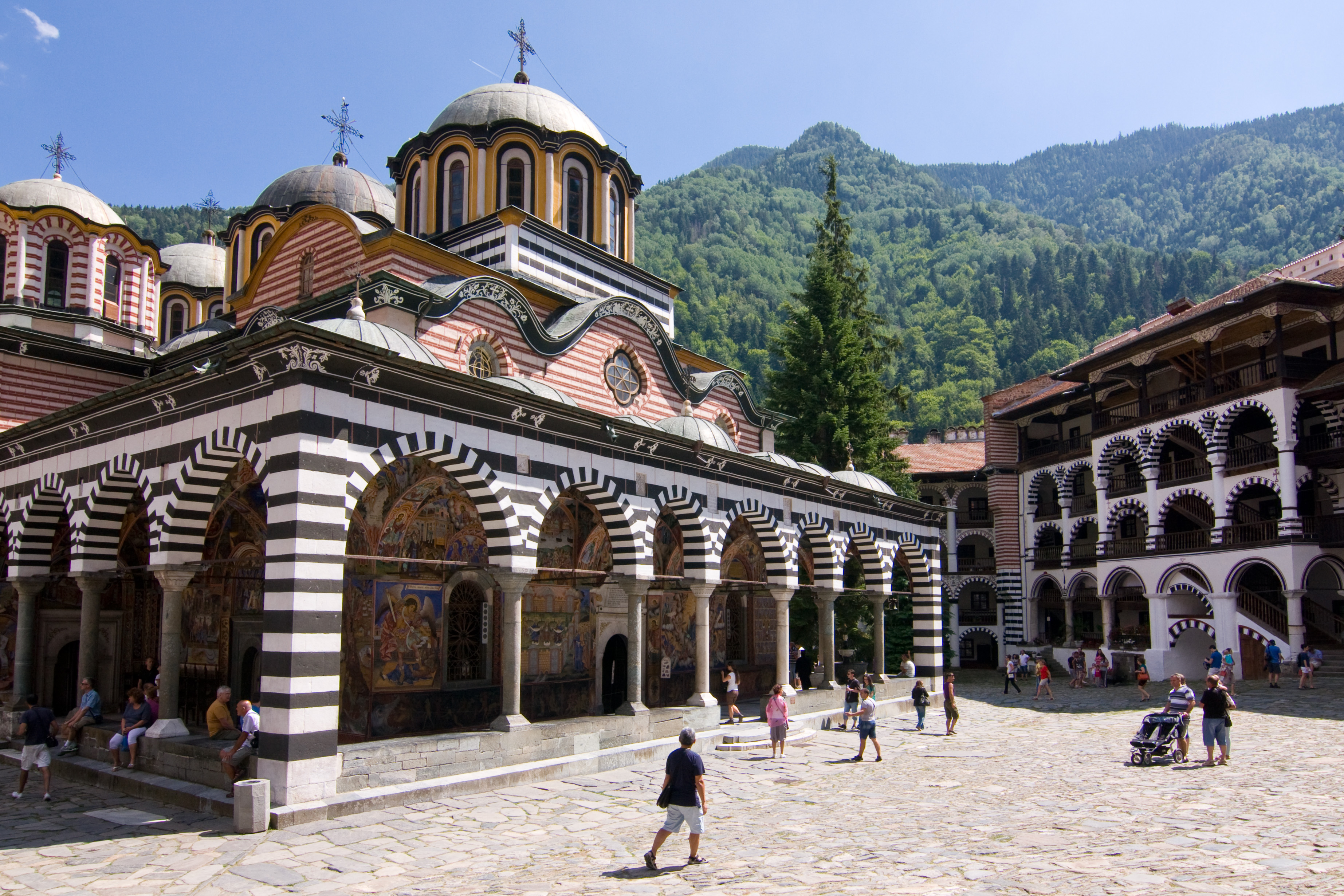
Bulgaria's most important spiritual center, nestled in the Rila Mountains.
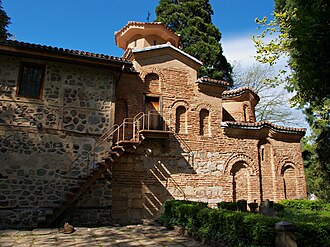
🎨Boyana Church
A medieval church on the outskirts of Sofia with frescoes that predate the Italian Renaissance.
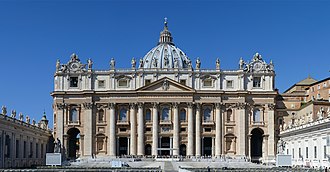
⛪Vatican City (St. Peter's Basilica)
The spiritual center of Roman Catholicism and home of the Pope.
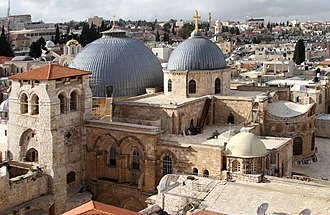
✝️Church of the Holy Sepulchre
The site where Jesus was crucified, buried, and resurrected.