⛪ David Gareja Monastery
Georgia
About This Sacred Site
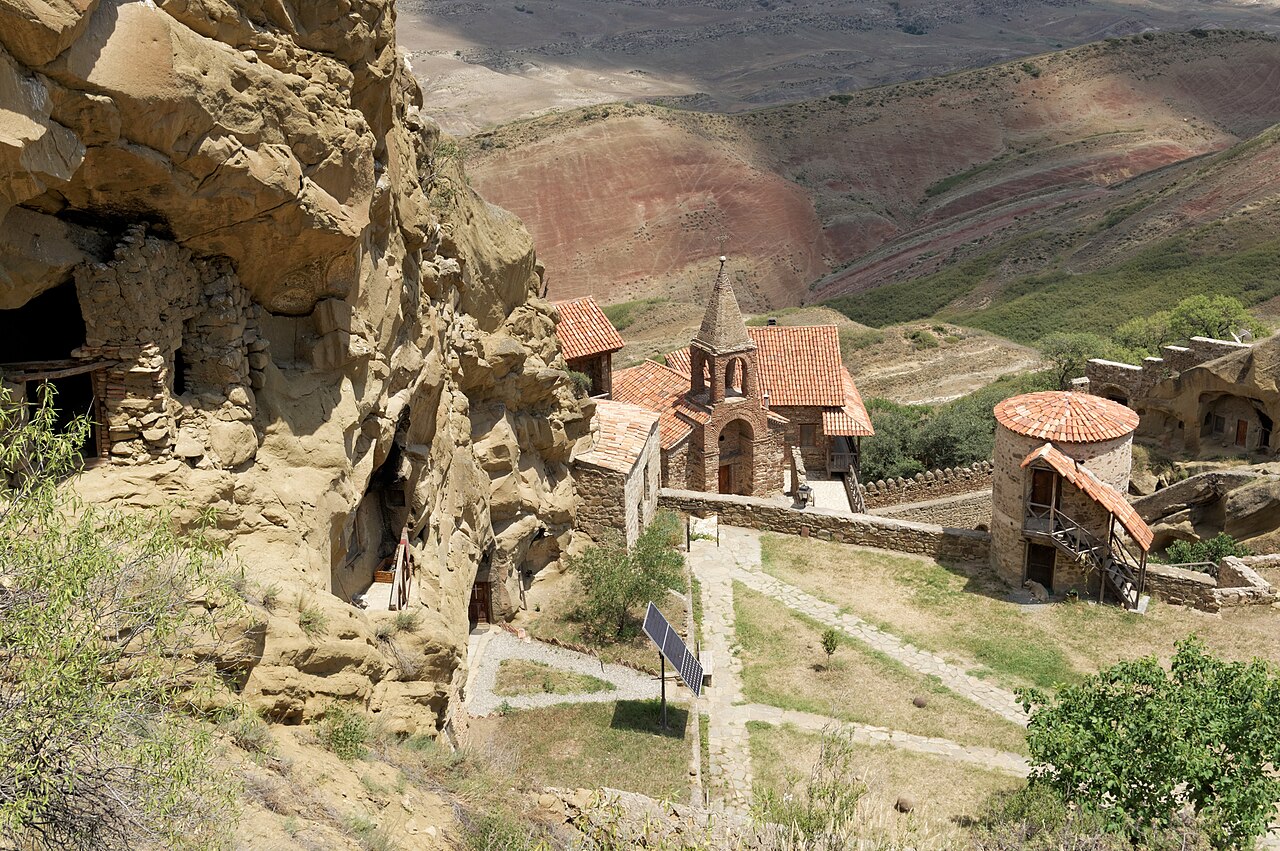
David Gareja is a remarkable complex of rock-hewn monasteries stretching for 25 kilometers along the semi-desert slopes of Mount Gareja on the Georgian-Azerbaijani border. Founded in the 6th century by David, one of the thirteen Syrian monks who brought monasticism to Georgia, the complex eventually grew to include about 19 monasteries with thousands of cave-cells. The Udabno monastery section features extraordinary 8th-14th century frescoes painted directly on the rock face, though some have been damaged over time.
History & Origins
Founded in the 6th century CE by St. David Garejeli, one of the thirteen Assyrian fathers who arrived in Georgia during the reign of King Vakhtang I Gorgasali (5th-6th century), the complex expanded to approximately 19 monasteries spread over 25 kilometers in the semi-desert region of southeastern Georgia. The Lavra monastery, established in the late 6th century, served as the spiritual and administrative center, undergoing significant architectural renovations during the reign of King George V the Brilliant in the 14th century. In the 12th century, the site was fortified to protect against Seljuk invasions, evidenced by surviving defensive walls built under Queen Tamar's patronage. The cave frescoes, dating from the 8th to 14th centuries, were restored in the 20th century after damage from both natural erosion and Soviet-era neglect. The monastery complex has been subject to territorial disputes between Georgia and Azerbaijan since the 1990s, impacting access to some parts of the site. Today, it remains a protected cultural monument under Georgian law, attracting scholars and pilgrims alike for its unique blend of monastic architecture and rock-hewn sanctuaries.
Spiritual Significance
The monastery complex, founded by St. David Garejeli, serves as a center for ascetic practice following the Georgian Orthodox tradition of hesychasm, emphasizing inner silence and repetitive prayer, specifically the Jesus Prayer. Pilgrims often undertake a multi-day journey through the arid landscape, visiting individual cave monasteries like Udabno and Lavra, where they participate in the celebration of St. David's feast on August 15, involving the chanting of the "Hymn to St. David" attributed to medieval Georgian hymnographers. The site's extensive frescoes depict biblical scenes and Georgian saints, serving as visual scripture for monastic meditation and teaching, reflecting theological themes from the Georgian version of the Book of Psalms. Notably, the complex includes a chapel dedicated to the Holy Virgin, where prayers for healing and protection are traditionally offered. The remote location and cave structures symbolize withdrawal from the material world, aligning with the ascetic ideals established by early Georgian monasticism influenced by Syrian Christian practices. The annual pilgrimage includes the lighting of beeswax candles and the reading of the "Typikon," the monastic rule codified during the 9th century Synod of Mtskheta, reinforcing the site's enduring liturgical significance.
Key Facts
- •Founded in the 6th century by St. David Garejeli
- •Comprises about 19 monasteries over 25 kilometers
- •Contains extraordinary cave frescoes from the 8th-14th centuries
- •Located on the Georgian-Azerbaijani border
- •Once housed thousands of monks in rock-cut cells
Location
Coordinates: 41.4472, 45.3789
Frequently Asked Questions
What religion is David Gareja Monastery associated with?▾
David Gareja Monastery is a Christianity holy site located in Georgia. It was established 6th century CE and is ranked #504 in our global directory of sacred sites.
When was David Gareja Monastery established?▾
David Gareja Monastery dates back to 6th century CE. Founded in the 6th century by St. David Garejeli
How many people visit David Gareja Monastery each year?▾
David Gareja Monastery receives approximately 100,000 visitors per year. Comprises about 19 monasteries over 25 kilometers
What is David Gareja Monastery known for?▾
A sprawling complex of rock-hewn monasteries in the semi-desert on the Azerbaijan border. Visitors come seeking pilgrimage, meditation, peace, spiritual enlightenment. Contains extraordinary cave frescoes from the 8th-14th centuries
Related Holy Sites
Sacred places connected by country, religion, and purpose
⛪Svetitskhoveli Cathedral
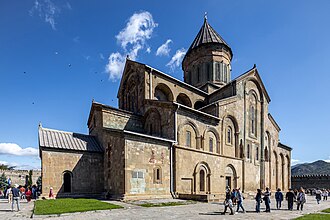
The most sacred place in Georgia, believed to house Christ's robe and a pillar of faith.
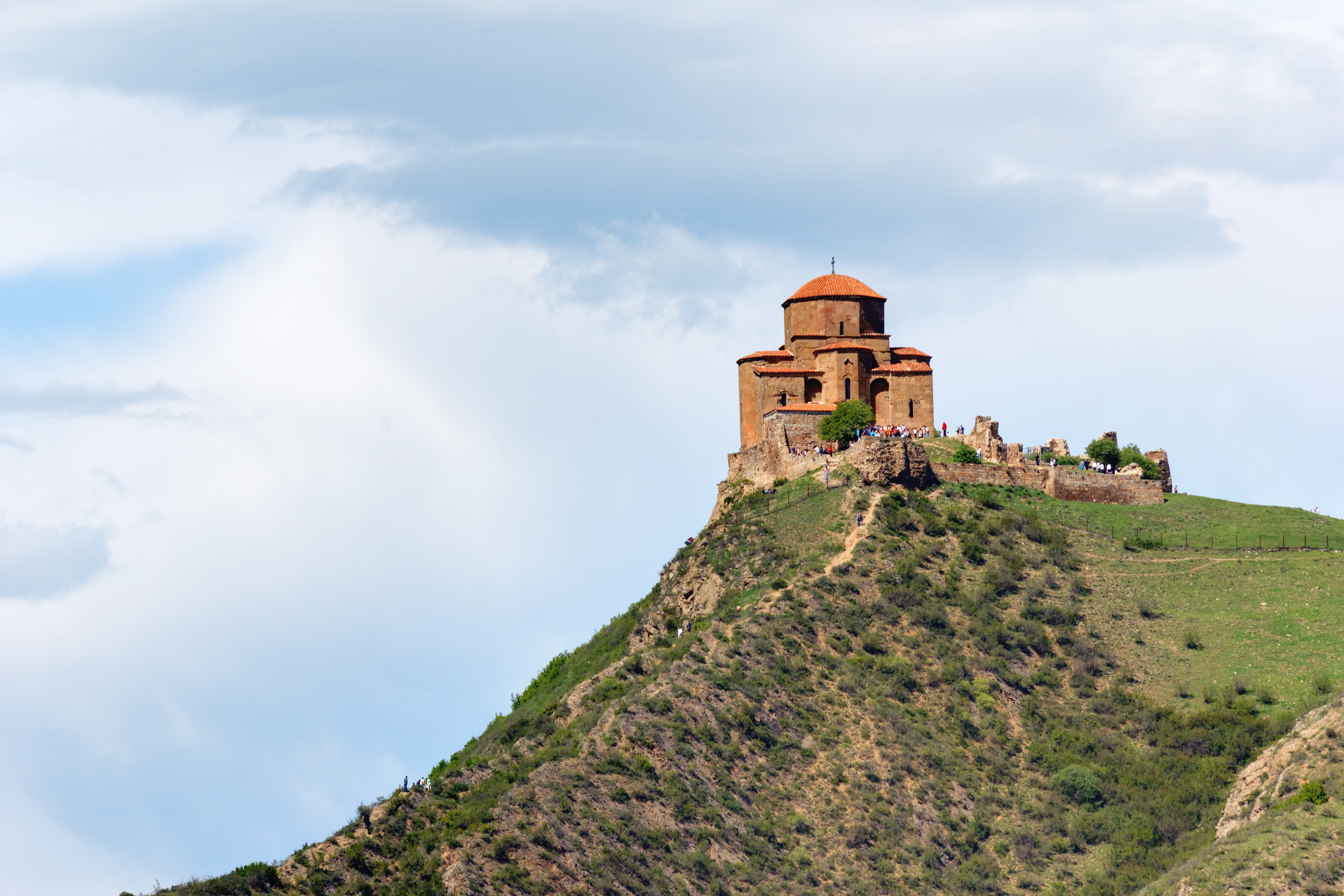
⛪Jvari Monastery
A 6th-century hilltop monastery overlooking the confluence of two rivers, a Georgian icon.
⛪Vatican City (St. Peter's Basilica)
The spiritual center of Roman Catholicism and home of the Pope.
✝️Church of the Holy Sepulchre
The site where Jesus was crucified, buried, and resurrected.