⛰️ Covadonga Sanctuary
Spain
About This Sacred Site
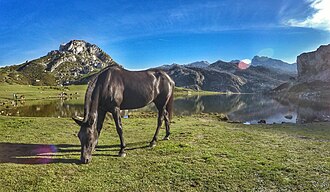
The Sanctuary of Covadonga in the Picos de Europa mountains of Asturias is one of Spain's most symbolically important religious sites. It was here in 722 CE that the Visigothic nobleman Pelayo won the Battle of Covadonga, traditionally considered the beginning of the Reconquista — the centuries-long Christian reconquest of the Iberian Peninsula. The Holy Cave (Santa Cueva) contains the image of the Virgin of Covadonga (La Santina), patron of Asturias. The neo-Romanesque basilica, completed in 1901, stands dramatically against the mountainous backdrop.
History & Origins
Established in 722 CE, the Sanctuary of Covadonga is pivotal in Spanish history as the site of the first Christian victory during the Reconquista. According to tradition, Christian forces under Pelayo defeated the Moors here, marking the beginning of the Christian reconquest of Iberia. The sanctuary includes a basilica and the Holy Cave, where a revered statue of the Virgin Mary is enshrined. Over centuries, it has been expanded and restored, becoming a symbol of Asturian identity and Christian resilience. The sanctuary remains a cherished pilgrimage destination and cultural landmark.
Spiritual Significance
The sanctuary marks the site of the 722 CE Battle of Covadonga, widely regarded as the inception of the Christian Reconquista, making it a symbol of divine intervention in Spanish history. The Holy Cave contains the tomb of King Pelayo, the Christian leader credited with initiating the fight against Moorish rule, and a revered statue of the Virgin of Covadonga, which pilgrims honor with candles and prayers. The neo-Romanesque basilica, completed in the early 20th century, stands adjacent to the cave and houses relics associated with early Asturian Christianity. Pilgrims ascend the mountain path annually during the Feast of Our Lady of Covadonga on September 8, participating in ritual processions and the singing of traditional Asturian hymns. The sanctuary’s theological importance is reflected in its role as a place of intercession for protection and victory, invoking the Virgin Mary as Queen of Asturias. The local liturgical calendar incorporates specific prayers from the Mozarabic rite, unique to the region’s early Christian heritage.
Key Facts
- •The Battle of Covadonga in 722 CE is considered the start of the Reconquista
- •The Holy Cave contains the tomb of King Pelayo and the Virgin of Covadonga
- •The neo-Romanesque basilica was built between 1877 and 1901
- •The Virgin of Covadonga (La Santina) is the patron saint of Asturias
- •Two glacial lakes, Enol and Ercina, near the sanctuary are part of a national park
Location
Coordinates: 43.3109, -5.0544
Frequently Asked Questions
What religion is Covadonga Sanctuary associated with?▾
Covadonga Sanctuary is a Christianity holy site located in Spain. It was established 722 CE and is ranked #447 in our global directory of sacred sites.
When was Covadonga Sanctuary established?▾
Covadonga Sanctuary dates back to 722 CE. The Battle of Covadonga in 722 CE is considered the start of the Reconquista
How many people visit Covadonga Sanctuary each year?▾
Covadonga Sanctuary receives approximately 1 million visitors per year. The Holy Cave contains the tomb of King Pelayo and the Virgin of Covadonga
What is Covadonga Sanctuary known for?▾
A cave sanctuary in Asturias where the Reconquista began, housing the Virgin of Covadonga. Visitors come seeking protection, miracles, pilgrimage, blessings. The neo-Romanesque basilica was built between 1877 and 1901
Related Holy Sites
Sacred places connected by country, religion, and purpose
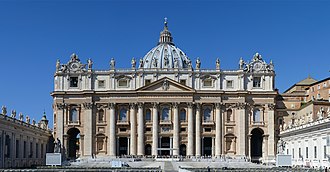
⛪Vatican City (St. Peter's Basilica)
The spiritual center of Roman Catholicism and home of the Pope.
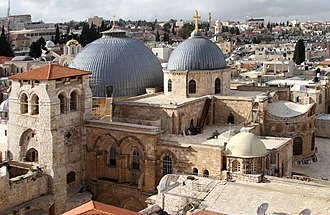
✝️Church of the Holy Sepulchre
The site where Jesus was crucified, buried, and resurrected.